Hey there! Let’s talk about something super important that often flies under the radar: hidden stressors. You know, the kind that aren’t just about work deadlines or big life dramas. We’re talking about those sneaky everyday habits that can quietly drain your body’s energy, slow down your recovery, and even impact your long-term well-being. Think poor sleep, constantly rushing, weird blood sugar swings, tummy troubles, and hormonal chaos. Sound familiar? This guide is your deep dive into eight often-overlooked factors that put unnecessary strain on your system. We’ll uncover how they mess with your physical and mental health, and more importantly, give you actionable tips to spot them early and build healthier routines. Get ready to boost your sleep, stabilize your energy, fine-tune your nutrition, and become a stress-resilience champion! Making small, consistent changes can seriously upgrade how your body handles stress and sets you up for lasting wellness.
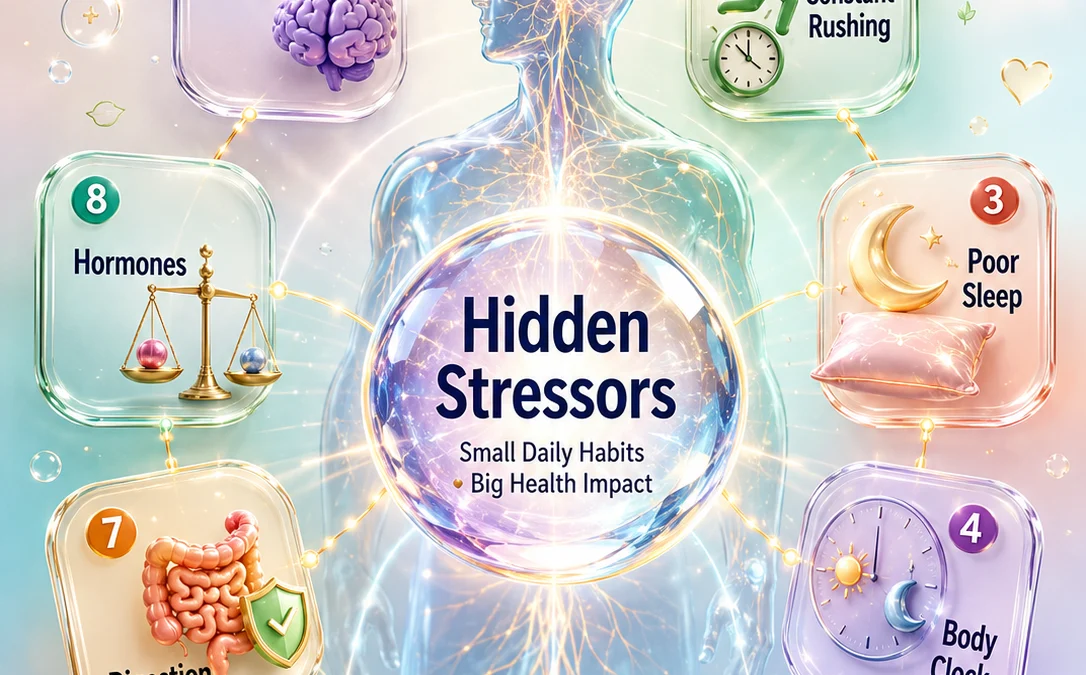
What Are the 8 Hidden Stressors That Secretly Affect Your Body?

The Sneaky Culprits: 8 Hidden Stressors Draining Your Body Every Single Day
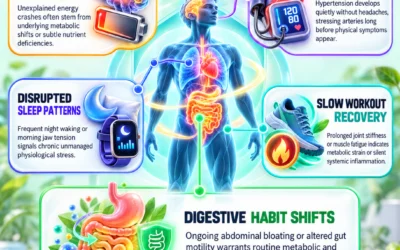
Life today throws a lot at us, right? And it’s not just the big stuff like work pressure or money worries. While we’re all familiar with the obvious stress triggers, there are a bunch of hidden stressors quietly chipping away at our physical health day in and day out. These often-missed factors can throw off your energy levels, mess with your hormones, slow down your metabolism, disrupt your digestion, ruin your sleep, and hinder your body’s ability to recover – all without you even realizing it at first!
Understanding these hidden drains is your superpower. It helps you make smarter choices *before* chronic stress turns into more serious health issues. Let’s uncover these silent saboteurs!
🌿 Why These ‘Hidden’ Stressors Are a Big Deal
Stress, in its simplest form, is your body’s natural alarm system. A short burst can be helpful, keeping you alert and ready to tackle a challenge. But here’s the catch: when that alarm is constantly blaring because of these hidden daily factors, your body never gets a chance to chill out and recover properly. It’s like running your car engine at full throttle all day, every day.
What happens when your body is stuck in this persistent stress mode? You might notice:
- ✨ Constant Fatigue: Feeling wiped out, even after a full night’s sleep.
- ✨ Brain Fog: Difficulty concentrating, remembering things, or feeling mentally sharp.
- ✨ Weakened Immunity: Getting sick more often or taking longer to recover.
- ✨ Unexplained Weight Changes: Gaining or losing weight without significant changes to diet or exercise.
- ✨ Mood Swings: Feeling irritable, anxious, or down more frequently.
- ✨ Hormonal Imbalance: Experiencing symptoms like irregular periods, acne, or changes in libido.
- ✨ Slower Recovery: Taking longer to bounce back from workouts or injuries.
- ✨ Lower Overall Well-being: Just generally feeling ‘off’ or less vibrant.
The kicker? Many of these issues aren’t caused by a single dramatic event, but by the accumulation of small, seemingly insignificant daily habits. Let’s break them down.
💙 1. Emotional Stress: The Body’s Perpetual ‘Fight or Flight’
Emotional stress is probably the most common culprit, and we often underestimate its physical toll. That constant worry, the feeling of uncertainty, the pressure from multiple directions, or just feeling mentally overloaded – it all triggers your body’s stress response. This means a surge in cortisol and adrenaline, preparing you to either fight or flee.
The problem arises when this emotional stress becomes chronic. Your nervous system gets stuck in that high-alert state, preventing it from shifting into the calm, restorative ‘rest and digest’ mode. It’s exhausting!
Common Triggers of Emotional Stress Include:
- 🔹 Workplace pressure: Tight deadlines, demanding bosses, difficult colleagues.
- 🔹 Family responsibilities: Juggling kids, aging parents, household chores.
- 🔹 Financial uncertainty: Bills, debt, job insecurity, saving for the future.
- 🔹 Relationship challenges: Conflicts with partners, friends, or family members.
- 🔹 Information overload: Constant news cycles, social media bombardment, endless emails.
The Physical Fallout of Chronic Emotional Stress:
- ✔ Poor sleep quality: Tossing and turning, waking up frequently.
- ✔ Reduced immunity: Making you more susceptible to bugs.
- ✔ Muscle tension: Especially in the neck, shoulders, and back.
- ✔ Mental fatigue: Feeling drained and unable to focus.
- ✔ Increased inflammation: A low-grade internal fire that can contribute to many chronic diseases.
The good news? You can fight back! Learning effective coping mechanisms like mindfulness meditation, regular exercise, deep breathing exercises, and simply scheduling downtime can significantly dial down the long-term impact of emotional stress. It’s about retraining your nervous system to find its balance.
⏰ 2. The ‘Always Rushing’ Syndrome: No Time for Recovery
Do you feel like you’re constantly racing against the clock? Living in a perpetual state of hurry does more than just make you feel unproductive; it sends a powerful signal to your brain that danger is always lurking. This keeps your nervous system on high alert, preventing crucial recovery periods throughout the day.
Instead of getting those much-needed breaks where your body and mind can reset, you’re just jumping from one thing to the next. This constant activation burns through your resources and significantly increases fatigue over time.
Are You Stuck in the Rushing Cycle? Signs to Look For:
- 🚀 Eating meals at warp speed, often while standing or distracted.
- 🚀 Constantly checking the clock, feeling anxious about time.
- 🚀 Feeling guilty or restless when you try to relax or rest.
- 🚀 Trying to juggle multiple tasks simultaneously, thinking it makes you more efficient.
- 🚀 Consistently feeling like you’re behind schedule, no matter how hard you try.
Breaking Free: Healthier Alternatives to Constant Rushing:
- 🌱 Intentionally schedule short, mindful breaks throughout your day.
- 🌱 Practice slow, deep breathing for a minute or two whenever you feel rushed.
- 🌱 Consciously reduce multitasking; focus on one task at a time.
- 🌱 Build in transition time between activities – a few minutes to stretch, walk around, or just breathe.
Giving yourself these small pauses allows your body to downshift from ’emergency mode’ to a more manageable state, conserving energy and reducing overall stress.
😴 3. Poor Sleep: The Body’s Repair Shop is Closed
Sleep isn’t just downtime; it’s prime time for your body’s essential maintenance work. During deep sleep stages, your tissues repair themselves, hormones get rebalanced, memories are consolidated, and your immune system gets a crucial boost. It’s like a nightly pit stop for your body.
When you consistently skimp on quality sleep, this vital repair process is incomplete. Think of it as trying to fix a car with half the necessary tools or without enough time.
Consequences of Skimping on Sleep:
- 🌙 Low energy levels: The most obvious symptom, feeling drained.
- 🌙 Brain fog: Difficulty thinking clearly and making decisions.
- 🌙 Reduced focus and concentration: Making mistakes more likely.
- 🌙 Increased appetite and cravings: Especially for sugary or high-carb foods.
- 🌙 Slower muscle recovery: Feeling sore for longer after exercise.
- 🌙 Mood instability: Increased irritability, anxiety, or sadness.
For most adults, aiming for a consistent sleep schedule that prioritizes both duration (7-9 hours) and quality is key. Creating a sleep sanctuary – a cool, dark, quiet bedroom – and ditching screens an hour before bed can make a world of difference in how restorative your sleep is.
🌙 4. A Disrupted Body Clock: When Your Internal Rhythms Go Haywire
Your body has an incredible internal clock, known as the circadian rhythm, that orchestrates countless biological functions throughout the 24-hour cycle. It tells you when to feel sleepy, when to feel alert, when to digest food, and when to repair. It’s a finely tuned system.
However, things like erratic sleep schedules (hello, weekend lie-ins!), inconsistent meal times, shift work, and even excessive exposure to bright light at night can throw this delicate clock completely out of sync. When your body clock is confused, it struggles to regulate its natural processes effectively.
How Circadian Disruption Impacts You:
- 🕒 Energy production: You might feel sluggish at odd times or wired when you should be resting.
- 🕒 Hormone release: Crucial hormones like melatonin (sleep) and cortisol (stress) can be secreted at the wrong times.
- 🕒 Digestion: Your gut might not be ready to process food efficiently when you eat at irregular hours.
- 🕒 Recovery processes: The body’s natural healing and repair mechanisms can be impaired.
- 🕒 Body temperature regulation: Affecting your comfort and sleep quality.
- 🕒 Cognitive performance: Leading to dips in alertness and focus.
The simplest yet most effective way to support a healthy circadian rhythm? Sticking to regular sleep and wake times, even on weekends, as much as possible. Consistent meal times also play a role.
🥗 5. Under-Fuelling: Your Body’s Energy Conservation Mode
It’s a common misconception that eating less is always better for health. While mindful eating is important, consistently consuming too few calories or insufficient nutrients can actually become a significant hidden stressor. When your body isn’t getting enough fuel, it interprets this as a potential famine or a state of scarcity.
What does your body do when it senses a lack of energy? It starts to conserve resources. This means slowing down certain functions to save energy, which can have a cascade of negative effects.
The Downside of Chronic Under-Fuelling:
- 🥑 Persistent Fatigue: Your body is literally running on empty.
- 🥑 Reduced Concentration: The brain needs adequate energy to function optimally.
- 🥑 Muscle Loss: Your body might start breaking down muscle tissue for energy if it’s desperate.
- 🥑 Slower Metabolism: Your body lowers its metabolic rate to conserve energy, making weight management harder in the long run.
- 🥑 Increased Recovery Time: Without enough building blocks (nutrients), repairs happen much slower.
Instead of focusing solely on slashing calories, the goal should be to prioritize nutrient-dense foods. Think whole foods packed with protein, healthy fats, complex carbohydrates, vitamins, and minerals. A balanced, nourishing diet is crucial for long-term health and sustained energy, far more so than chronic under-eating.
🍭 6. Blood Sugar Rollercoaster: Straining Your Body’s Balance
Your blood sugar levels naturally fluctuate throughout the day as you eat and use energy. This is normal. However, experiencing frequent, dramatic spikes followed by sharp crashes puts an enormous amount of extra stress on your body’s intricate energy regulation systems.
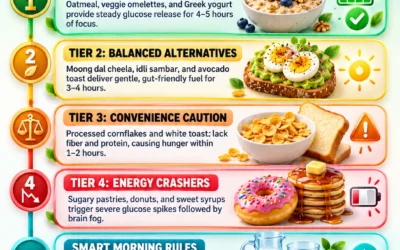
These wild swings are often triggered by consuming highly processed foods, sugary drinks, refined carbohydrates, or by skipping meals altogether. When your blood sugar plummets, your body has to scramble to bring it back up, leading to that familiar afternoon slump or intense cravings.
Watch Out for These Signs of Blood Sugar Imbalance:
- 🔹 Sudden fatigue or sleepiness right after eating.
- 🔹 Intense cravings for sweets or carbohydrates, especially when you haven’t eaten in a while.
- 🔹 Mood swings: Feeling irritable, anxious, or shaky when blood sugar drops.
- 🔹 Difficulty concentrating or feeling mentally foggy.
- 🔹 Shakiness or jitters, particularly between meals.
- 🔹 Experiencing significant energy crashes, often in the mid-afternoon.
These repeated cycles of highs and lows force your body to work overtime to maintain stability, leading to cumulative physical stress. It’s a significant, yet often overlooked, drain on your system.
Tips for Smoother Blood Sugar Levels:
- 🍎 Focus on balanced meals: Include a good source of protein, plenty of fiber (from vegetables and whole grains), and healthy fats with every meal.
- 🥜 Avoid skipping meals: This helps prevent extreme drops in blood sugar.
- 🥦 Incorporate whole grains and non-starchy vegetables: These provide sustained energy and fiber.
- 💧 Stay well-hydrated: Water is essential for all bodily functions, including blood sugar regulation.
- 🚶 Take short walks after meals: Gentle movement can help improve insulin sensitivity and stabilize blood sugar.
Making these small dietary adjustments can lead to much more stable energy throughout the day and reduce the stress on your metabolic system.
🌱 7. Digestive Strain: It’s More Than Just Your Gut
Your digestive system is a powerhouse, responsible for breaking down food, absorbing vital nutrients, and playing a huge role in your immune function and overall well-being. When digestion isn’t running smoothly, your body has to divert extra resources to manage inflammation and process food inefficiently. This puts a significant strain on your system.
And here’s the critical part: digestive issues often don’t stay contained within your gut. They can ripple outwards, influencing countless other bodily systems and contributing to fatigue, mood problems, and even skin issues.
Common Culprits Behind Digestive Strain:
- 🌾 Insufficient fiber intake: Leading to sluggish bowels.
- 🥤 Poor hydration: Hindering the digestive process.
- 🍟 Overconsumption of highly processed foods: Lacking nutrients and hard to digest.
- 😣 Chronic stress: Directly impacting gut function and motility.
- 💊 Certain medications: Some can disrupt the gut microbiome or digestive lining.
- 🦠 Imbalance in gut bacteria (dysbiosis): Affecting nutrient absorption and inflammation.
Symptoms That Your Digestion Might Be Stressed:
- ✔ Persistent bloating or gas.
- ✔ Irregular bowel movements (constipation or diarrhea).
- ✔ Frequent abdominal discomfort or pain.
- ✔ Signs of poor nutrient absorption (e.g., fatigue, brittle nails, hair loss).
- ✔ Low energy levels, even with adequate sleep.
Supporting your digestive health through a balanced diet rich in fiber, staying hydrated, incorporating regular movement, and actively managing stress is fundamental for improving overall well-being and reducing systemic strain.
⚖️ 8. Hormonal & Metabolic Imbalance: The Domino Effect of Stress
We often think of stress as an emotional or mental thing, but its impact runs deep into our hormonal and metabolic systems. Long-term stress doesn’t just make you feel anxious; it can significantly disrupt the delicate balance of hormones that control everything from your appetite and sleep patterns to your energy production and how efficiently your body burns calories.
When your body is constantly exposed to stress signals, its natural regulatory systems can become overwhelmed. This disruption can lead to a cascade of imbalances that affect multiple bodily functions.
Key Systems Often Affected by Hormonal & Metabolic Imbalance:
- 🔸 Cortisol regulation: Chronic stress can lead to either consistently high or dysregulated cortisol levels, impacting energy, mood, and inflammation.
- 🔸 Blood sugar control: Stress hormones can interfere with insulin sensitivity, making blood sugar harder to manage.
- 🔸 Appetite hormones: Hormones like ghrelin (hunger) and leptin (satiety) can become imbalanced, leading to increased cravings and altered hunger cues.
- 🔸 Metabolic function: The overall rate at which your body burns energy can be slowed down as a survival mechanism.
- 🔸 Recovery processes: Hormonal disruptions impair the body’s ability to repair tissues and restore balance after exertion or injury.
- 🔸 Energy production: The efficiency of your cellular energy production can be compromised.
Over time, these hormonal and metabolic imbalances can manifest as persistent fatigue, increased hunger (especially for comfort foods), reduced motivation, slower physical recovery, and unwanted changes in body composition (like increased belly fat). Nurturing healthy lifestyle habits is crucial for allowing these vital systems to function harmoniously and efficiently.
🌟 How These Hidden Stressors Gang Up on You
The reality is, these hidden stressors rarely operate in isolation. They often intertwine and feed into each other, creating a vicious cycle that becomes increasingly difficult to break. It’s like a chain reaction where one problem triggers another, amplifying the overall stress on your body.
Let’s trace a common pathway:
- ➡ Emotional stress (e.g., work pressure) leads to poor sleep quality because your mind won’t switch off.
- ➡ Poor sleep disrupts hormones that regulate appetite, increasing sugar cravings.
- ➡ Consuming sugary foods causes blood sugar fluctuations (spikes and crashes), leading to energy dips.
- ➡ Low energy makes you reach for quick, convenient, often processed foods, contributing to poor nutrition.
- ➡ Lack of nutrients and energy slows down bodily repair, resulting in slower recovery.
- ➡ A diet high in processed foods and stress can lead to digestive strain and inflammation.
- ➡ The cumulative effect of all these factors throws your hormonal balance completely out of whack.
This cycle gradually piles on the pressure, taxing your body’s systems relentlessly, even if there isn’t a diagnosed illness present. Recognizing these interconnected links is the crucial first step toward regaining control and improving your long-term health.
💚 Your Action Plan: Simple Ways to Dial Down Hidden Stress
The great news? You don’t need a complete life overhaul to make a difference. Many of these hidden stressors can be significantly reduced with consistent, mindful daily habits. It’s about making small, sustainable adjustments that add up over time.
🌞 Prioritize Consistent, Quality Sleep
Think of sleep as your daily superpower. Make it non-negotiable!
- 😴 Aim for a regular bedtime and wake-up time, even on weekends, to support your body clock.
- 📱 Significantly reduce screen exposure (phones, tablets, TV) for at least an hour before bed. The blue light interferes with melatonin production.
- 🌙 Ensure your bedroom is a cool, dark, and quiet sanctuary conducive to deep sleep.
🥗 Nourish Your Body with Real Food
Fueling your body properly is a fundamental act of self-care.
- 🥦 Eat balanced meals that include protein, healthy fats, and complex carbohydrates.
- 🍗 Ensure adequate protein intake at each meal to support muscle repair and satiety.
- 🥜 Don’t shy away from healthy fats found in avocados, nuts, seeds, and olive oil – they’re crucial for hormone production and nutrient absorption.
- 🥕 Load up on colorful vegetables and fruits for essential vitamins, minerals, and fiber.
- 💧 Drink plenty of water throughout the day to support all bodily functions, including digestion and energy levels.
🚶 Move Your Body Daily (Mindfully!)
Regular physical activity is a powerful stress regulator. It helps balance stress hormones, improves sleep quality, boosts circulation, and elevates your mood.
Great options include:
- 🏃 Brisk walking
- 🚴 Cycling
- 🏋️ Strength training (builds muscle and boosts metabolism)
- 🧘 Yoga or Tai Chi (excellent for stress reduction and flexibility)
- 🚶 Gentle stretching
Aim for at least 20-30 minutes of moderate activity most days. Consistency is more important than intensity.
🌬 Slow Down Intentionally
Our culture often glorifies being busy, but true health requires dedicated time for recovery and relaxation. Actively incorporating these practices helps switch your nervous system from ‘on’ to ‘off’.
Try to build in moments for:
- 🌿 Deep, diaphragmatic breathing exercises.
- ☕ Quiet, screen-free breaks with a warm drink.
- 📖 Reading a book for pleasure.
- 🌳 Spending time in nature, even just a short walk in a park.
- 🧠 Meditation or mindfulness practices.
These activities signal to your body that it’s safe to relax and initiate its natural restorative processes.
🍽 Support Your Digestive Health
A happy gut means a happier you! Simple habits can make a big difference:
- 🥬 Increase your fiber intake from whole foods like vegetables, fruits, legumes, and whole grains.
- 🥛 Stay consistently hydrated by drinking water throughout the day.
- 🍎 Choose minimally processed foods whenever possible, opting for whole ingredients.
- 🚶 Take a short walk after meals to aid digestion.
- 😌 Eat your meals without rushing, chewing thoroughly and mindfully.
⏰ Respect Your Body Clock
Synchronizing your daily routines with your natural internal rhythms helps keep your body clock (circadian rhythm) running smoothly.
Make an effort to:
- 🌅 Wake up around the same time each morning, ideally with natural light exposure.
- 🌙 Go to bed at a consistent time each night.
- 🍽 Eat your meals at regular intervals throughout the day.
- ☀ Get exposure to natural sunlight, especially in the morning, to help set your internal clock.
- 📴 Minimize exposure to bright artificial lights, especially blue light from screens, in the hours leading up to bedtime.
🚨 Red Flags: When Hidden Stress Might Be Taking Over
It’s easy to dismiss subtle changes, but persistent symptoms can be your body’s way of signaling that hidden stressors are accumulating. Pay attention to:
- ⚠ Constant, unshakeable tiredness or exhaustion.
- ⚠ Difficulty falling asleep, staying asleep, or waking up feeling unrefreshed.
- ⚠ Persistent ‘brain fog,’ trouble concentrating, or memory lapses.
- ⚠ A noticeable dip in motivation or enthusiasm for daily tasks.
- ⚠ Frequent digestive discomfort like bloating, gas, or irregular bowel movements.
- ⚠ Unexplained shifts in mood, such as increased irritability, anxiety, or sadness.
- ⚠ Increased cravings, particularly for sugar, caffeine, or processed snacks.
- ⚠ Difficulty recovering after physical activity; feeling sore for days.
- ⚠ A general feeling of being overwhelmed or unable to cope with daily demands.
If these symptoms are persistent, worsening, or significantly impacting your quality of life, it’s a wise move to consult with a qualified healthcare professional. They can help identify underlying causes and guide you toward appropriate solutions.
🌍 Why This Awareness is a Game-Changer
So many of us get caught up focusing only on the obvious, loud stressors in our lives, completely overlooking the quiet, persistent drains caused by our everyday habits. By bringing awareness to these hidden stressors, you gain the power to intervene much earlier, before they escalate into more significant health challenges.
The ultimate goal isn’t to live a life completely devoid of stress – that’s unrealistic! Instead, it’s about consciously reducing the *unnecessary* and *chronic* stressors while simultaneously bolstering your body’s innate ability to cope, adapt, and recover effectively. It’s about building resilience.
🎯 Wrapping It Up: Your Path to Less Hidden Stress
Hidden stress doesn’t typically announce itself with flashing lights and sirens. It creeps in gradually, often disguised as mundane daily routines that subtly sabotage your sleep, nutrition, digestion, metabolism, and recovery processes. By shining a light on these eight key hidden stressors – emotional strain, constant rushing, poor sleep, disrupted body clocks, under-fuelling, blood sugar instability, digestive issues, and hormonal imbalances – you’re equipped to make informed, empowering lifestyle choices.
Remember, lasting health and vitality are rarely the result of a single, dramatic fix. True well-being is built brick by brick, through consistent, small improvements across all areas of your life: sleep hygiene, balanced nutrition, regular movement, effective stress management, and prioritizing recovery. By embracing these sustainable habits, you can dramatically reduce the silent burden of hidden stress and unlock your body’s potential to thrive every single day.