Hey there, health enthusiasts! Ever feel like you’re just not operating at your best, even after a full night’s sleep? You’re not alone. In our fast-paced world, mastering the art of truly restorative sleep has become a superpower. It’s not just about avoiding the dreaded afternoon slump; it’s about fundamentally revolutionizing your health, boosting your energy levels, and sharpening your cognitive abilities. Think of sleep as your body’s ultimate reset button, and this guide is your master key to unlocking its full potential. We’re diving deep into ten scientifically proven sleep habits that will help you synchronize your internal clock, dramatically improve your sleep quality, and supercharge your daily productivity. From nailing the perfect bedroom temperature to strategic morning sunlight exposure, every tip is backed by solid science. Get ready to transform your sleep architecture and elevate your overall well-being. Let’s get started on your journey to sustained physical and mental peak performance!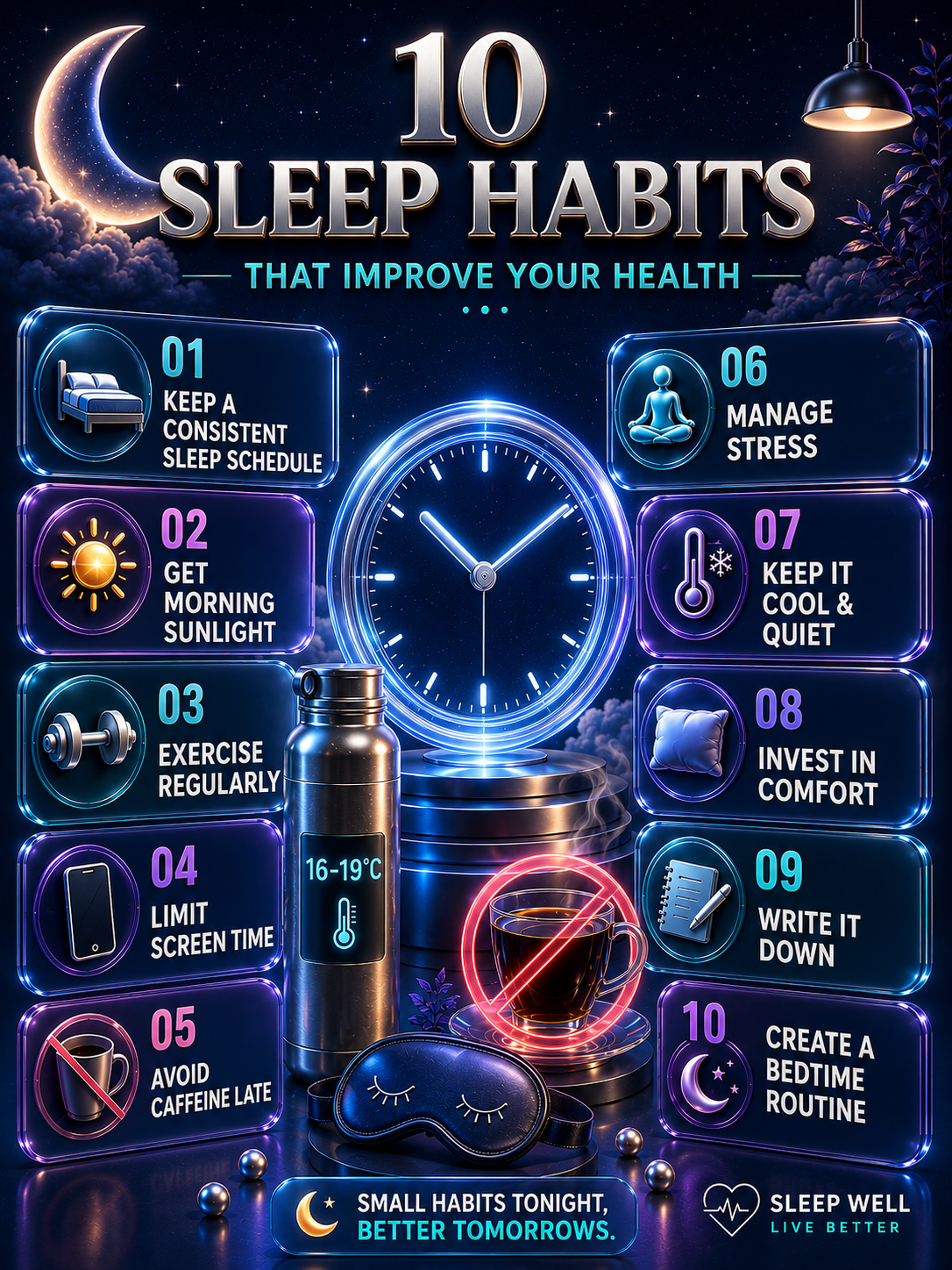
Why Sleep is Your Ultimate Health Hack
Let’s be real, in our go-go-go culture, sleep often feels like the first thing to get sacrificed. But here’s the kicker: sleep isn’t a luxury; it’s a biological necessity. It’s the foundation upon which all other aspects of our health are built. When you’re not getting enough quality shut-eye, it’s not just about feeling groggy. It’s about your immune system taking a hit, your metabolism getting out of whack, and your brainpower taking a nosedive. Seriously, the long-term consequences of chronic sleep deprivation are no joke. They can range from increased susceptibility to illness to a higher risk of serious chronic conditions. That’s why establishing a smart, science-backed sleep routine isn’t just a good idea – it’s absolutely critical for maintaining optimal health and preventing future health issues. By making a few key adjustments to your daily habits and your sleep environment, you can harness the power of your body’s natural rhythms to achieve truly restorative sleep. This guide is packed with actionable strategies to help you do just that. Ready to unlock a more energized, focused, and healthier you?
1. The Power of Predictability: Your Unwavering Sleep Schedule
Think of your body like a finely tuned orchestra, and your circadian rhythm is the conductor. This internal 24-hour clock dictates everything from when you feel sleepy to when your body temperature dips, and even when your cells decide to repair themselves. The key to keeping this orchestra in harmony? Consistency! When you go to bed and wake up around the same time every single day, you’re essentially sending a clear, consistent signal to your brain. This helps regulate the release of essential hormones like melatonin (your sleep hormone) and cortisol (your wakefulness hormone).
The Golden Rule: Stick to Your Schedule, Even on Weekends! I know, I know, sleeping in on Saturdays sounds amazing. But here’s the scientific truth: deviating from your weekday sleep schedule, even by a couple of hours, can throw your internal clock completely out of sync. This phenomenon is known as ‘social jetlag,’ and it’s exactly why Monday mornings can feel like a brutal battle against fatigue. Try your best to maintain your sleep and wake times as consistently as possible, seven days a week. Your body will thank you by making it easier to fall asleep at night and wake up feeling refreshed each morning.
2. Harnessing the Sun: Your Morning Light Anchor
Did you know that natural daylight is one of the most powerful cues for your body’s internal clock? When you expose yourself to bright light, especially in the morning, it sends a powerful signal to your brain: ‘It’s daytime! Time to be alert!’ This exposure helps suppress the production of melatonin, the hormone that makes you feel sleepy, and kicks your alertness into gear. It’s like hitting the ‘reset’ button for your circadian rhythm.
Your Morning Mission: Get Outside! As soon as you wake up, aim to spend at least 10 to 15 minutes outdoors. Even if it’s cloudy, the ambient light is still beneficial. This morning light exposure acts as an anchor, setting your internal clock for the rest of the day. It helps ensure that melatonin production will begin naturally and efficiently about 16 hours later, paving the way for a great night’s sleep. Consider moving your morning coffee or even a few minutes of stretching outside to maximize this crucial exposure. It’s a simple habit that can make a world of difference to your sleep quality and daytime energy.
3. The Caffeine Cutoff: Timing is Everything
Coffee, tea, energy drinks – they all give us that much-needed boost, thanks to caffeine. But caffeine is a sneaky one. It works by blocking adenosine receptors in your brain. Adenosine is a chemical that builds up throughout the day, creating that feeling of ‘sleep pressure’ that makes you want to hit the hay. By blocking adenosine, caffeine keeps you feeling alert, which sounds great until bedtime rolls around.
Your Afternoon Deadline: No More Stimulants After Lunch! Caffeine has a surprisingly long half-life, meaning it can take many hours for your body to fully clear it. That afternoon latte might seem harmless, but it could be the reason you’re tossing and turning later. To ensure optimal sleep, aim to cut off all caffeinated beverages right after lunch. This gives your body plenty of time to metabolize the caffeine before you try to wind down for the night. What should you drink instead? Water is always a fantastic choice, or you can opt for soothing, caffeine-free herbal teas as the evening progresses. This simple dietary shift can significantly improve your ability to fall asleep quickly and stay asleep soundly.
4. Temperature Control: Creating Your Sleep Sanctuary
Believe it or not, your body’s core temperature naturally drops by about one to two degrees Fahrenheit as you prepare for sleep. This temperature drop is a crucial signal that helps initiate and maintain deep, restorative sleep. If your bedroom is too warm, your body has to work harder to cool itself down, which can lead to fragmented sleep and frequent awakenings.
The Sweet Spot: Cool and Comfortable. The ideal bedroom temperature for sleep is generally between 16–19°C (60–67°F). This cool environment supports your body’s natural thermoregulation process during sleep. Think of it as creating an optimal microclimate for rest. Make sure your bedding is breathable – natural fibers like cotton or linen are excellent choices. Good ventilation is also key; consider using a fan or opening a window slightly (if safe and quiet) to ensure a steady flow of cool air. By keeping your sleep space cool, you’re making it much easier for your body to transition into and stay in those crucial deep sleep stages.
5. The Evening Fast: Giving Your Body a Break
When you eat, especially a heavy meal, your digestive system kicks into high gear. This process requires a significant amount of energy and diverts blood flow to your gut. If you’re eating right before bed, your body is forced to choose between digesting your last meal and performing the vital repair and restoration processes that happen during sleep. Guess which one usually wins? Digestion.
The 2-3 Hour Rule: Finish Eating Early. To allow your body to fully digest your food and shift its focus to nighttime recovery, try to finish your last substantial meal or snack at least 2 to 3 hours before you plan to go to sleep. This gives your digestive system ample time to process what you’ve eaten, reducing the chances of discomfort, indigestion, or acid reflux interfering with your sleep. Also, be mindful of what you’re eating in the evening. Heavy, fatty, or spicy foods are particularly notorious for causing sleep disruptions. Opt for lighter, easily digestible options if you need a small snack.
6. The Wind-Down Ritual: Preparing for Slumber
In our always-on world, it can be tough to switch off your brain after a busy day. That’s where a pre-sleep routine comes in. Think of it as a transition period, a buffer zone between the demands of your day and the tranquility of sleep. This routine signals to your parasympathetic nervous system – the ‘rest and digest’ part of your nervous system – that it’s safe to slow down, lower your heart rate, and prepare for sleep.
Consistency is Key: Your Evening Unwind. Dedicate the last hour before bed to calming, low-stimulation activities. This could be reading a physical book (avoiding screens, of course!), doing some gentle stretching or yoga, meditating, listening to relaxing music, or taking a warm bath. The most important thing is to make this routine consistent. By performing the same sequence of relaxing activities every night, you create a powerful psychological cue that tells your brain, ‘It’s time to get ready for sleep.’ This predictability helps ease the transition from wakefulness to slumber, making it easier to fall asleep faster and enjoy more restful sleep.
7. Lighting the Way to Sleep: Dimming the Lights
Remember how natural light signals wakefulness? Well, artificial light, especially the cool, blue-toned light emitted by many LED bulbs and screens, can trick your brain into thinking it’s still daytime. This artificial light exposure, particularly in the evening, can significantly suppress the production of melatonin, your body’s natural sleep hormone. If your brain isn’t getting the signal that it’s time to wind down, falling asleep becomes a real challenge.
Embrace the Warm Glow: Soften Your Evening Light. As the evening progresses, start dimming your indoor lights. Switch off bright overhead lights and opt for softer, warmer sources like lamps with warm-toned bulbs. Using amber or red-toned nightlights in hallways or bathrooms can also be helpful if you need to get up during the night. The goal is to create a cozy, sleep-conducive environment that signals to your brain that it’s time to relax and prepare for sleep. Aim to reduce exposure to bright, overhead lighting for one to two hours before your intended bedtime.
8. The Digital Detox Zone: Your Screen-Free Bedroom
This one is a biggie in our digital age. Smartphones, tablets, laptops, and even TVs emit a concentrated dose of blue light. As we just discussed, blue light is particularly effective at suppressing melatonin production. When you’re scrolling through social media, watching a captivating show, or answering emails right before bed, you’re essentially telling your brain to stay awake and alert.
Bedroom = Sleep Sanctuary. No Exceptions. Make your bedroom a strictly screen-free zone, especially in the hour or two leading up to bedtime. This means no phones, no tablets, no laptops, and ideally, no TV. If you use your phone as an alarm clock, consider investing in a simple, old-fashioned alarm clock. To further reinforce this boundary, consider setting up a dedicated charging station for your devices *outside* of your bedroom. This simple act of creating physical distance can be incredibly powerful in reducing the temptation to engage with screens when you should be winding down.
9. Move Your Body: The Sleep-Enhancing Benefits of Exercise
Regular physical activity is a cornerstone of good health, and it plays a surprisingly significant role in the quality of your sleep. When you exercise, your body builds up adenosine, a compound that contributes to sleep pressure. More importantly, regular physical activity has been shown to increase the amount of slow-wave sleep, also known as deep sleep, which is crucial for physical restoration and memory consolidation.
Find Your Rhythm: Daily Movement Matters. Aim to incorporate some form of physical activity into your daily routine. This doesn’t necessarily mean grueling gym sessions every day. A brisk walk, a bike ride, dancing, swimming, or engaging in a sport you enjoy all count. Consistency is more important than intensity. However, timing does matter. While regular exercise is great for sleep, intense workouts too close to bedtime can be counterproductive. Try to complete your more vigorous exercise sessions earlier in the day, allowing your body temperature and heart rate sufficient time to return to resting levels before you hit the pillow.
10. The Magic Number: Prioritizing 7-9 Hours of Sleep
We often hear that we need 7-9 hours of sleep, but how many of us actually achieve it consistently? Sleep debt is a real thing. It’s the cumulative effect of not getting enough sleep, and unfortunately, you can’t simply ‘catch up’ on weekends without disrupting your internal clock. Chronic sleep restriction can have serious long-term health consequences, impacting everything from your immune system to your cognitive function and even your risk of chronic diseases.
Make Sleep Non-Negotiable: Your Health Investment. Treat your sleep duration as a critical health metric, just like diet and exercise. Aim to allocate a non-negotiable 7 to 9 hours of time in bed each night. This allows your brain the necessary time to cycle through all the vital stages of sleep, including REM and deep sleep, which are essential for cognitive function, emotional regulation, and physical repair. Stop viewing sleep as downtime or a luxury; it’s an active, high-yield investment in your long-term health, vitality, and peak performance. Prioritize it!
Taking Your Sleep Sanctuary to the Next Level
Ready to go from good sleep to *great* sleep? Think of your bedroom as a high-performance recovery lab. Beyond temperature and light, sound is another critical factor. If you live in a noisy area, consider investing in a high-quality white noise machine or using comfortable earplugs to minimize disruptions. These can help you stay in those deep, restorative sleep stages without being jolted awake by traffic or noisy neighbors. And don’t forget about air quality! Ensuring good ventilation or even using an air purifier can create an even more optimal environment for healing and rest. By meticulously controlling your sleep environment – managing light, sound, and air – you create the perfect conditions for your body and mind to truly recharge, night after night.
Your Ultimate Sleep Habit Checklist
| Habit Pillar | Core Action | Targeted Metric |
|---|---|---|
| 1. Bedtime Consistency | Maintain identical sleep and wake times everyday. | 7 Days a week |
| 2. Morning Daylight | Step outdoors immediately after waking up. | 10–15 Minutes |
| 3. Caffeine Curfew | Halt consumption of all dietary stimulants. | Post-Lunch |
| 4. Bedroom Climate | Cool down the ambient room environment. | 16–19°C (60–67°F) |
| 5. Evening Fasting | Complete nutritional intake before resting. | 2–3 Hours Pre-Bed |
| 6. Bedtime Routine | Engage in reading, stretching, or unwinding. | Every Night |
| 7. Dim Lighting | Lower interior brightness levels. | 1–2 Hours Pre-Bed |
| 8. Screen Elimination | Keep all phones and digital tablets out of the bedroom. | Zero Screens in Bedroom |
| 9. Daily Activity | Maintain consistent physical movement. | Every Day |
| 10. Sleep Duration | Allocate time for complete biological recovery. | 7–9 Hours |
Frequently Asked Questions About Better Sleep
Why is sticking to a sleep schedule crucial, even on weekends?
Keeping a consistent sleep schedule helps stabilize your body’s internal clock, or circadian rhythm. Sleeping in significantly on weekends can lead to ‘social jetlag,’ making it harder to adjust back to your weekday routine and leaving you feeling groggy and out of sync.
How does morning sunlight actually improve nighttime sleep?
Exposure to bright natural light shortly after waking suppresses melatonin production and boosts alertness hormones like cortisol. This effectively ‘sets’ your internal clock, ensuring that melatonin production ramps up at the appropriate time in the evening, signaling your body it’s time to sleep.
When is the absolute latest I should have caffeine?
To avoid sleep disruption, it’s best to cut off all caffeine intake right after lunch. Caffeine has a long half-life, meaning it can remain in your system for many hours, potentially interfering with your ability to fall asleep and stay asleep deeply.
What’s the ideal temperature for sleeping?
Most sleep experts recommend a bedroom temperature between 16°C and 19°C (60°F to 67°F). This cooler environment aids your body’s natural temperature drop, which is a key trigger for initiating and maintaining sleep.
Why is it advised to avoid eating late at night?
Eating too close to bedtime can lead to indigestion, acid reflux, and discomfort, all of which can disrupt sleep. Furthermore, your body prioritizes digestion over crucial overnight repair and recovery processes when you eat shortly before sleep.
How do screens like smartphones negatively impact sleep?
The blue light emitted by digital screens is particularly potent in suppressing melatonin, the hormone that regulates sleep. This artificial light tricks your brain into thinking it’s daytime, making it harder to fall asleep and reducing sleep quality.
Can I really ‘catch up’ on lost sleep?
While getting extra sleep can help alleviate immediate sleepiness, chronic sleep debt cannot be fully ‘paid back’ by occasional longer sleep sessions. Consistent, adequate sleep each night is far more effective for long-term health and well-being.
What are some great wind-down activities?
Perfect wind-down activities include reading a physical book, gentle stretching, meditation, journaling, or listening to calming music or podcasts. The key is to choose activities that are relaxing and don’t involve stimulating screens.
How much exercise do I need for better sleep?
Aim for at least 20-30 minutes of moderate physical activity most days of the week. Regular exercise promotes deeper sleep, but try to avoid intense workouts within a few hours of bedtime.
What are the serious health consequences of not sleeping enough?
Chronic sleep deprivation is linked to a weakened immune system, increased risk of obesity and diabetes, impaired cognitive function, memory problems, mood disturbances, and a higher risk of cardiovascular disease.