The Surprising Truth Behind Your Daily Routine
Have you ever stopped to consider that your morning coffee, the way you scroll through your phone, or even the temperature of the water you drink could be silently shaping your long-term health? We often think of wellness as a series of big, daunting decisions—like starting a marathon or going on a strict diet—but the reality is far more nuanced. Our bodies are complex, biological machines that respond to thousands of tiny, repetitive inputs every single day. If you are feeling chronically tired, struggling with brain fog, or wondering why your immunity isn’t what it used to be, the answer might be hiding in your daily habits.

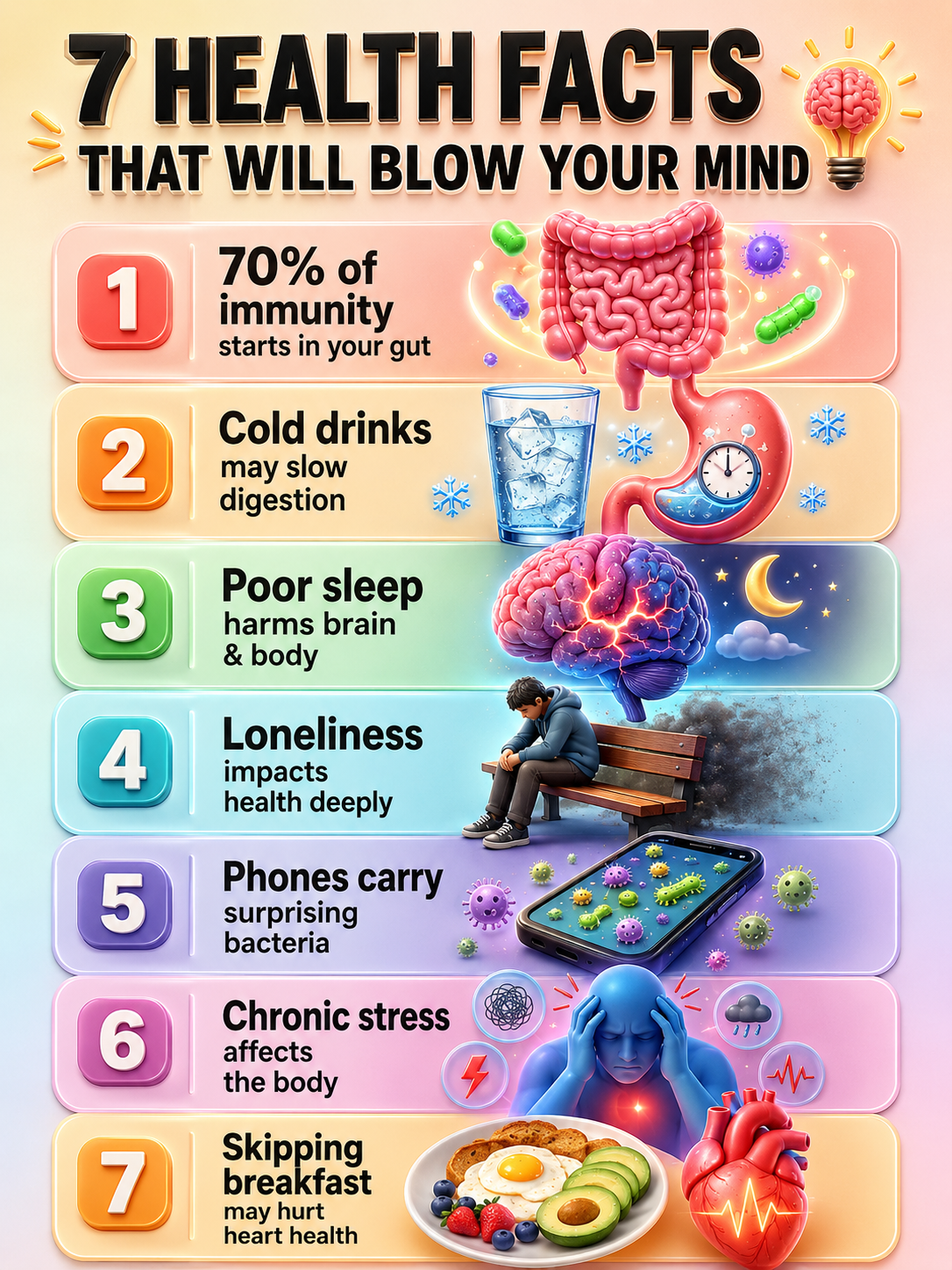
In this deep dive, we are going to explore seven scientific truths that might just change the way you live your life. From the hidden ecosystem in your stomach to the invisible bacteria living on your touchscreens, these facts aren’t just trivia—they are actionable insights that can help you reclaim your vitality, sharpen your mind, and fortify your body against the stresses of the modern world.
1. Your Gut Is Your Second Brain (And Your Immune Powerhouse)
Did you know that roughly 70% of your immune system resides in your gut? It’s true! Your gastrointestinal tract is home to an incredibly complex community of trillions of microorganisms known as the gut microbiome. These tiny residents are not just passive passengers; they are active participants in your health. They help synthesize essential vitamins, break down complex fibers, and—perhaps most importantly—act as the primary gatekeepers for your immune system.
When we flood our systems with ultra-processed foods, artificial sweeteners, and excessive sugar, we aren’t just “eating junk”; we are essentially starving our beneficial bacteria while fueling the growth of harmful ones. This imbalance, known as dysbiosis, is a leading driver of chronic inflammation, which has been linked to everything from autoimmune disorders to low energy levels. To keep your “second brain” happy, focus on diversity. Incorporate fermented foods like kimchi, sauerkraut, and yogurt into your diet, and make fiber-rich vegetables your best friends. Your gut will thank you with clearer skin, better mood regulation, and a much stronger immune response.
2. The “Cold Water” Myth: Why Temperature Matters
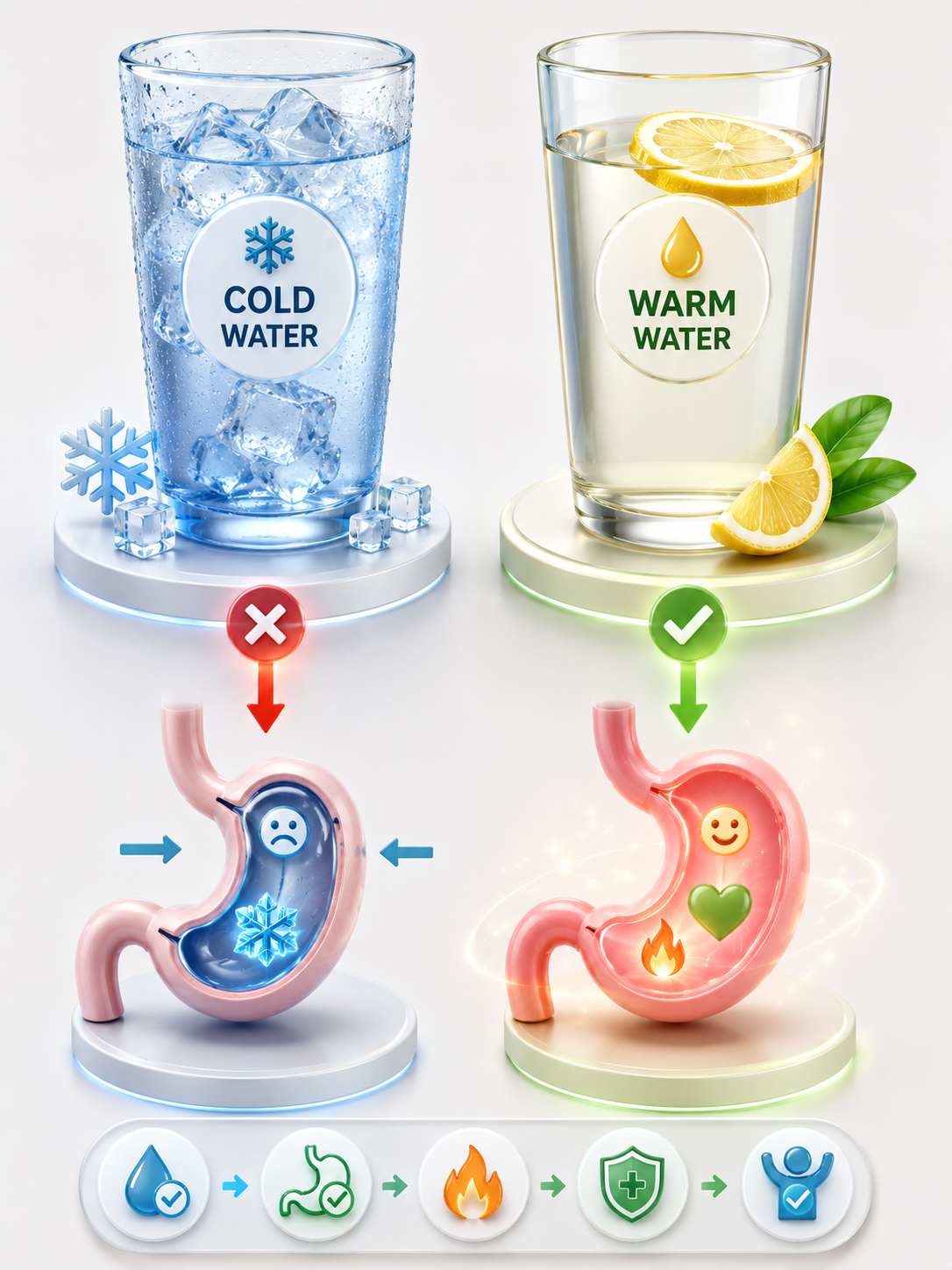
We’ve all heard the advice to drink eight glasses of water a day, but have you ever thought about the temperature? While hydration is king, there is some evidence to suggest that gulping down ice-cold water during a meal can be counterproductive for your digestion. Your body naturally works at an optimal temperature, and consuming extreme temperatures can force your digestive system to work overtime to bring that water back up to body heat. For some, this can lead to feelings of bloating or a sluggish digestive process, especially if you are prone to indigestion after a heavy meal.
Try experimenting with room-temperature or warm water during dinner. Many people find that it helps their stomach settle more easily and makes the overall process of breaking down food feel more comfortable. It is a tiny shift, but for those with sensitive digestive tracts, it can make a world of difference in how you feel after you eat.
3. Why Sleep Is Your Body’s Ultimate Repair Shop
If you think you can “catch up” on sleep over the weekend, we have some bad news for you. Sleep is not a luxury; it is a biological necessity that your brain and body use to perform critical maintenance. During deep, restorative sleep, your brain clears out metabolic waste products that build up throughout the day—essentially a nightly power-wash for your neurons. When you cut that time short, you aren’t just tired; you are physically impairing your brain’s ability to process information, regulate emotions, and consolidate memories.
Chronic sleep deprivation is a massive red flag for your long-term health. It is directly linked to increased systemic inflammation, weight gain, and a significantly higher risk of cardiovascular disease. If you are struggling to fall asleep, stop the “doom-scrolling” at least an hour before bed. The blue light from your phone suppresses melatonin, the hormone that tells your body it is time to shut down. Create a sanctuary in your bedroom, keep it cool, and treat your 7 to 9 hours of sleep like the non-negotiable health appointment that it is.
4. The Silent Epidemic: Social Isolation and Your Longevity
It might sound strange to list social interaction as a health factor, but the science is clear: loneliness is a major health risk. Studies have shown that the physical toll of chronic social isolation can be equivalent to smoking 15 cigarettes a day. We are social animals, and our nervous systems are wired to thrive on connection. When we are isolated, our bodies often stay in a state of high alert, which keeps stress hormones like cortisol circulating at unhealthy levels.
Whether it is joining a local hiking group, calling an old friend, or simply making more of an effort to talk to neighbors, fostering human connection is an essential part of your preventive health strategy. Strong, healthy relationships aren’t just good for your heart; they are a vital buffer against the wear and tear of life.
5. Your Smartphone: A Germ Magnet in Your Pocket
Be honest—when was the last time you actually cleaned your phone? Most of us touch our phones hundreds of times a day, often after touching grocery store handles, gas pumps, or public transit rails. Then, we take those same phones into the bathroom, to the dinner table, and eventually press them against our faces. It is the perfect recipe for bacterial transfer.
The heat generated by your phone’s battery can actually provide a warm, comfortable breeding ground for these microbes. To protect your health, make a habit of wiping down your device with an alcohol-based disinfectant wipe at least once a day. Better yet, try to keep your phone out of the bathroom and avoid using it while you eat. It is a simple, five-second habit that could save you from unnecessary seasonal illnesses.
6. Taming the Beast: The Reality of Chronic Stress
We all have stressors, but the problem arises when stress becomes the “default” setting. Chronic stress keeps your body in a perpetual “fight or flight” mode. This constant activation of the sympathetic nervous system forces your heart to work harder, your blood pressure to rise, and your immune system to suppress its defenses to save energy. Over months or years, this creates a fertile ground for disease.
The key isn’t to eliminate stress entirely—that is impossible—but to build a toolkit for managing it. Whether it is a five-minute morning meditation, a walk in the park, or dedicated time for a hobby you love, you must give your body permission to “downshift.” If you don’t find a way to release that tension, your body will eventually find a way to manifest it as illness. Prioritize your peace as if your life depends on it, because in many ways, it does.
7. Why Skipping Breakfast Could Be Sabotaging Your Heart
We have all heard the “breakfast is the most important meal of the day” mantra, but there is real science to support it. After a long night of fasting, your body needs fuel to kickstart its metabolism and stabilize blood sugar levels. When you skip breakfast, you are more likely to experience blood sugar spikes later in the day, which can lead to intense cravings and overeating. Furthermore, several studies have found a correlation between regular breakfast skipping and an increased risk of cardiovascular issues.
You don’t need a massive feast, but you do need something that provides sustained energy. Think of a combination of protein, healthy fats, and complex carbohydrates—like oatmeal topped with nuts or a veggie-packed omelet. By fueling your body early, you set the tone for a day of balanced energy and better heart health.
Taking Control: Your Path to a Better Tomorrow
The beauty of these seven facts is that they are all within your control. You don’t need to overhaul your life overnight. Start by cleaning your phone tonight. Tomorrow, try a breakfast with more fiber. This weekend, reach out to a friend. These aren’t just small acts; they are the building blocks of a resilient, healthy, and vibrant life. Remember, your health is a journey, not a destination. By paying attention to the small details, you are investing in the most important asset you will ever own: your own well-being. Stay curious, stay mindful, and keep taking those small, consistent steps toward the version of yourself you want to be.