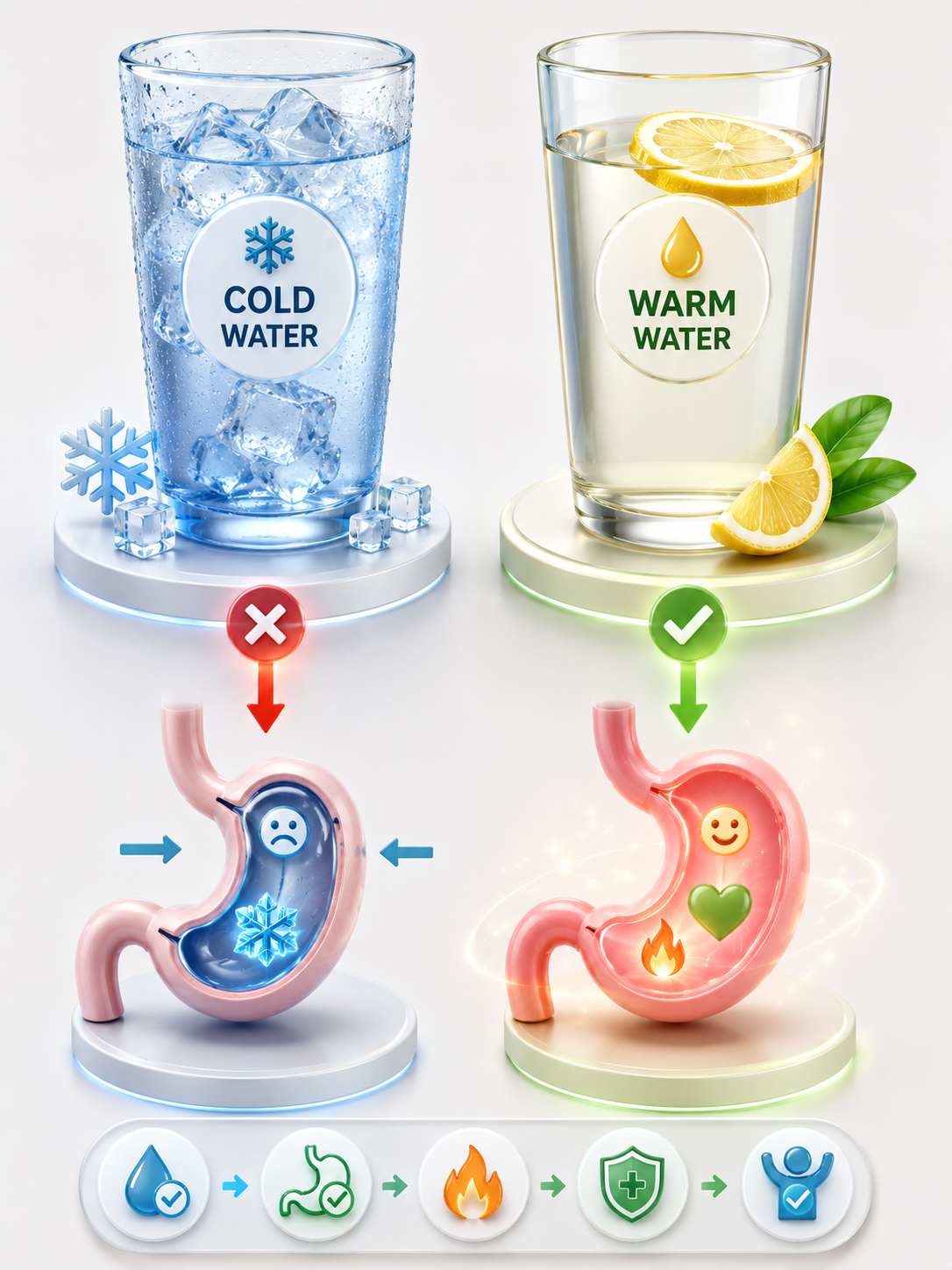
The Secret to Better Gut Health: Is Your Water Too Cold?
We have all been there: it is a sweltering afternoon, and the only thing that sounds appealing is a massive glass of ice-cold water. It feels refreshing, it cools you down instantly, and it satisfies that parched feeling. But have you ever stopped to consider what that icy temperature is doing to your insides? While your mouth might love the chill, your digestive system is often left struggling to cope with the sudden shock. The temperature of the fluids you consume is a massive, yet often overlooked, factor in how your body processes food, balances essential hormones, and maintains your daily energy levels. If you have been dealing with persistent bloating, sluggish digestion, or that mid-afternoon energy slump, the culprit might just be sitting in your glass. Let’s dive into the science behind why switching to room temperature or warm water could be the ultimate upgrade for your gut health and metabolic wellness.

Understanding How Water Temperature Affects Your Biology
Your body is a finely tuned machine that operates best at an internal temperature of roughly 37°C (98.6°F). Every metabolic process—from breaking down the macronutrients in your dinner to absorbing vitamins—depends on maintaining this thermal equilibrium. When you consume ice-cold water, you are essentially forcing your body to perform a corrective task before it can even focus on digestion. The contrast between freezing liquid and your internal body heat creates a physiological reaction that isn’t exactly helpful for your gut. In contrast, room temperature or warm water aligns with your body’s natural state, allowing your systems to function without the unnecessary stress of thermal regulation.
The Hidden Roadblocks Caused by Ice-Cold Beverages
If you make a habit of drinking ice-cold liquids, you might be creating a compounding drag on your health. Here is what happens under the surface:
- Blood Vessel Constriction: When freezing water hits your stomach, your internal blood vessels undergo a process called vasoconstriction. This effectively limits blood flow to your digestive organs, which are vital for the proper breakdown of food.
- Solidifying Fats: Think about washing a greasy pan with cold water versus warm water. When you drink cold water during a meal, it can cause the fats and oils in your food to solidify, making them much more difficult for your stomach acid and enzymes to break down effectively.
- Metabolic Slowdown: Your body is constantly working to maintain its core temperature. When you introduce cold water, you divert energy away from metabolic processes just to heat that liquid up. This is energy that could have been used to power your day or process your nutrients more efficiently.
- Delayed Hydration: Your stomach is protective. It won’t allow cold liquids to pass into the small intestine until they reach a safe, body-compatible temperature. This means you aren’t getting hydrated as quickly as you think you are; you are simply waiting for your stomach to warm up your drink.
The Major Health Wins of Switching to Ambient Water
When you stop reaching for the ice and start embracing room temperature or warm water, the benefits are often immediate and noticeable. Here is the chain reaction of wellness you trigger:
- Bypassing Thermal Shock: By drinking room temperature water, you allow your digestive system to skip the “warming up” phase. This leads to a smoother transition from ingestion to digestion.
- Rapid Cellular Hydration: Because the water is already at an ideal temperature, it is absorbed by your cells almost immediately. This is particularly helpful for rehydrating after a workout or during a long morning.
- Enhanced Circulation: Staying hydrated with warm or ambient water helps maintain healthy blood circulation, which in turn supports your body’s natural waste-flushing pathways and detoxification processes.
- Reduced Bloating and Discomfort: Many people report that simply ditching the ice cubes significantly reduces post-meal bloating. When your digestive system isn’t under thermal stress, it can work more efficiently, leading to a flatter, more comfortable stomach.
Supercharge Your Mornings With Warm Lemon Water
If you want to take your morning routine to an elite level, consider adding a fresh squeeze of organic lemon juice to a warm glass of water first thing upon waking. This simple ritual acts as a gentle wake-up call for your entire digestive tract.
- Liver Support: The citric acid in lemons is fantastic for stimulating the liver, helping it flush out cellular waste and supporting your body’s innate detoxification pathways.
- Antioxidant Boost: Lemons are packed with Vitamin C, providing your immune system with an immediate daily shield against environmental stressors.
- Stimulating Peristalsis: The warmth of the water, combined with the acidity of the lemon, gently stimulates peristalsis. These are the natural muscle contractions that keep your digestive tract moving, helping to prevent constipation and ensure regularity.
Ancient Wisdom: Kindle Your Digestive Fire
In various traditional medicine systems, including Ayurveda, your digestive capability is referred to as “Agni,” or your internal “digestive fire.” This concept suggests that your metabolism is like a furnace that needs to be kept stoked to process food properly. Dumping ice-cold water onto your digestive fire is akin to throwing a bucket of ice onto a hot grill—the fire dies down, the heat is lost, and you are left with a slow, inefficient process. By drinking room temperature or warm water, you are actively nurturing that internal fire. You allow your stomach acids to break down meals cleanly, extract nutrients with precision, and maintain a high-energy metabolic baseline throughout the day.
Comparison: Cold vs. Room Temperature Hydration
To help you visualize the difference, consider this comparison of how your body reacts to these two different habits:
- Digestion Speed: Ice-cold water constricts muscles, leading to sluggish digestion. Room temperature water relaxes the gastrointestinal tract, promoting rapid transit.
- Metabolic Impact: Cold water forces your body to expend energy on heating fluids, lowering systemic efficiency. Room temperature water supports your metabolic fire.
- Hydration Onset: Cold water requires a delay for thermal stabilization. Room temperature water provides immediate cellular absorption.
- Abdominal Bloating: Cold water increases the risk of trapped gas and food fermentation. Room temperature water minimizes gas and reduces fluid retention.
- Detoxification: Cold water can slow down liver and kidney circulation. Room temperature water maximizes blood flow, assisting in natural toxin removal.
Elevating Your Daily Wellness Routine
True health optimization is rarely about expensive supplements or restrictive, extreme diets. More often than not, it is about understanding the everyday mechanics of your body and removing the tiny, invisible roadblocks that slow down your natural vitality. By simply swapping out ice water for clean, room-temperature, or warm hydration, you are handing your digestive tract the ultimate tool for seamless, vibrant health. Are you ready to say goodbye to chronic abdominal bloating, those frustrating mid-afternoon energy crashes, and slow, heavy digestion? Make the conscious switch to room temperature water today. Try adding a warm squeeze of fresh lemon to your morning routine tomorrow and watch your gut health blossom to completely new heights. It is a small change, but the results for your energy, skin, and digestion can be truly transformative.
Remember, your body is always talking to you through its reactions. If you feel bloated after a cold drink, listen to that signal. Experiment with room temperature water for a week and track how your body responds. You might find that the key to unlocking your best health has been sitting in your kitchen tap all along!