The Unsung Hero: Why Your Liver Needs Extra Love
Let’s be real: we often take our liver for granted. It is the powerhouse of the human body, acting as a tireless filtration system that works 24/7. From metabolizing the fats in your dinner to filtering out the toxins we encounter in our environment, your liver is essential for digestion, energy regulation, and even your immune response. When your liver is firing on all cylinders, you feel vibrant and energized. But when it’s overloaded? You might feel sluggish, suffer from brain fog, or notice digestive discomfort. The good news is that you don’t need expensive detox kits or extreme juice fasts to keep it happy. You just need a few sustainable, natural habits.

1. Start Your Day with Lemon Water
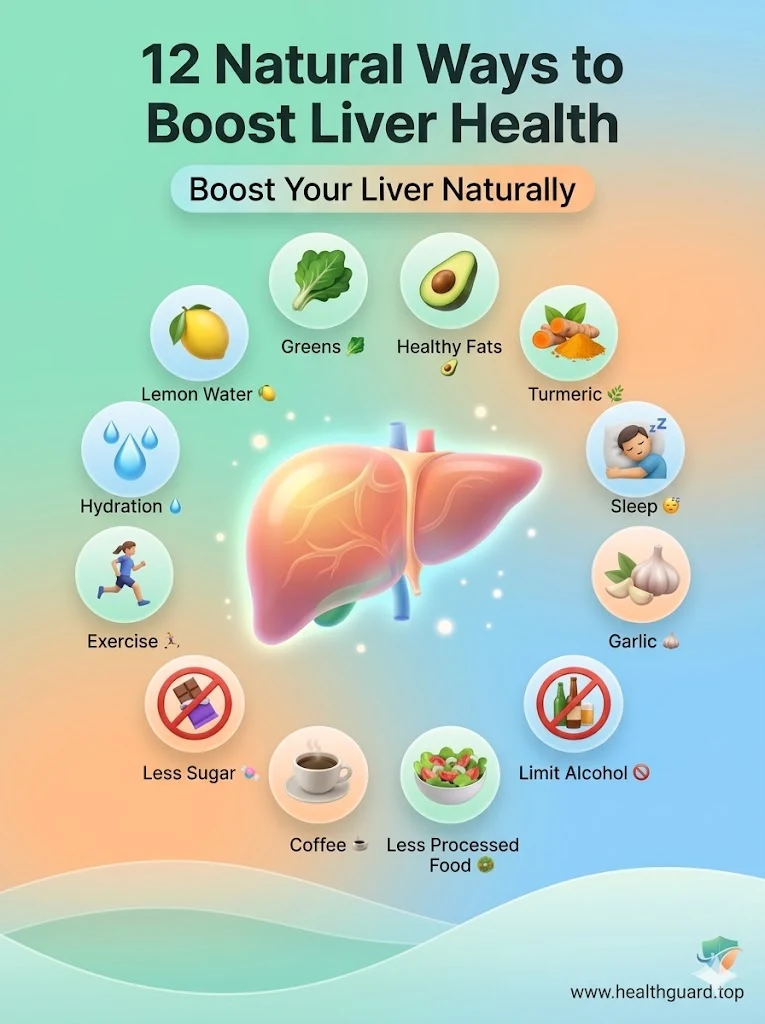
Think of lemon water as a gentle wake-up call for your liver. While it’s not a magic cure-all, the acidity of lemon helps stimulate bile production. Why does bile matter? Because it’s the fluid your liver uses to break down fats and carry away waste products. Plus, the Vitamin C content provides a nice antioxidant boost to fight off oxidative stress. Sipping this warm in the morning is a simple ritual that hydrates your cells and gets your digestive system ready for the day ahead.
2. Eat Your Greens (And Then Some)
Leafy greens like kale, spinach, and arugula are nature’s gift to your liver. They are packed with chlorophyll, which is like a vacuum cleaner for your bloodstream—it helps neutralize heavy metals and environmental toxins. By including these in your daily meals, you’re providing the raw materials your liver enzymes need to perform their detox duties effectively. Think of it as high-octane fuel for your internal filtration system.
3. Embrace Healthy Fats
For years, we were told to avoid fat, but your liver actually needs the right kinds to function optimally. Healthy fats, such as those found in avocados, extra virgin olive oil, and raw nuts, help reduce inflammation and support the integrity of your liver cells. These fats are essential for the absorption of fat-soluble vitamins and can help prevent the buildup of unhealthy fats within the liver tissue itself. Swap out that processed vegetable oil for some cold-pressed olive oil, and your liver will thank you.
4. The Power of Turmeric
If you aren’t using turmeric yet, it’s time to start. This golden spice contains curcumin, a potent anti-inflammatory agent. Research suggests that curcumin helps protect liver cells from damage and encourages the production of enzymes that flush out toxins. A simple way to incorporate this is by making a golden latte or adding a pinch to your stir-frys. Just remember that adding a crack of black pepper helps your body absorb the curcumin way better!
5. Hydration is Non-Negotiable
Your liver is a fluid-based organ. It relies heavily on water to flush out toxins through your urine and bile. If you are chronically dehydrated, your blood becomes more concentrated, and your liver has a much harder time performing its duties efficiently. Aim for consistent water intake throughout the day rather than chugging it all at once. If plain water feels boring, infuse it with cucumber or mint to make it more refreshing.
6. Ditch the Processed Junk
Modern convenience foods are often loaded with preservatives, artificial sweeteners, and refined oils that act as a direct burden on your liver. Every time you eat a pre-packaged snack, your liver has to work double-time to process those additives. By shifting toward whole, unprocessed foods—think fresh fruits, vegetables, and lean proteins—you are essentially giving your liver a much-needed vacation from its constant workload.
7. Tame Your Sweet Tooth
We all love a treat, but excess refined sugar is a major culprit in liver stress. When you consume more fructose than your body needs, the liver converts that excess directly into fat. Over time, this can lead to non-alcoholic fatty liver disease. You don’t have to quit sugar cold turkey, but choosing whole fruits over candy or sugary sodas can make a massive difference in your long-term metabolic health.
8. Coffee: Your Liver’s Best Friend?
Believe it or not, science is on the side of the coffee lovers. Moderate coffee consumption has been consistently linked to better liver enzyme levels and a lower risk of scarring and cancer. The antioxidants found in coffee beans seem to help suppress inflammation and keep your liver cells resilient. Just be mindful of the sugar and cream you might be adding; keeping it relatively black or lightly spiced is the way to go.
9. Get Moving
Exercise isn’t just for building muscle; it’s for metabolic health. Regular physical activity helps your body use energy more efficiently, which reduces the amount of fat the liver needs to store. Whether it’s a brisk walk, a yoga session, or a swim, moving your body boosts insulin sensitivity and helps the liver process nutrients correctly. Even 30 minutes of moderate activity a day can have a profound impact on your liver’s fat profile.
10. Prioritize Deep Sleep
You might think your body is doing nothing while you sleep, but your liver is actually working harder than ever. Sleep is the primary window for your body’s repair and regenerative processes. If you are burning the candle at both ends, you are cutting your liver’s recovery time short. Aim for 7–9 hours of quality sleep to ensure your liver has the time it needs to clear out the metabolic waste accumulated during the day.
11. Garlic: The Sulfur Superfood
Garlic is a powerhouse for liver health because it is rich in sulfur-containing compounds. These compounds are essential for activating the enzymes your liver uses to flush out toxins. Adding fresh garlic to your cooking isn’t just about flavor—it’s a literal health intervention for your liver cells. Don’t be shy with it; the more you use, the more support your body gets.
12. Moderation is Key with Alcohol
We have to address the elephant in the room: alcohol. It is a known toxin that the liver must work very hard to break down. While an occasional drink might be fine for many, heavy or frequent consumption can cause significant inflammation and long-term damage. By cutting back or choosing alcohol-free periods, you allow your liver to focus on its other critical functions, like regulating blood sugar and balancing hormones.
Final Thoughts
Boosting your liver health doesn’t require a total life overhaul. It’s about making small, conscious choices every single day. By nourishing your body with real food, staying hydrated, and giving yourself enough time to rest, you are building a foundation for a healthier, more energetic life. Your liver is incredibly resilient, and it will respond quickly when you start giving it the support it deserves. Start with one or two of these tips this week, and observe how much better you feel!