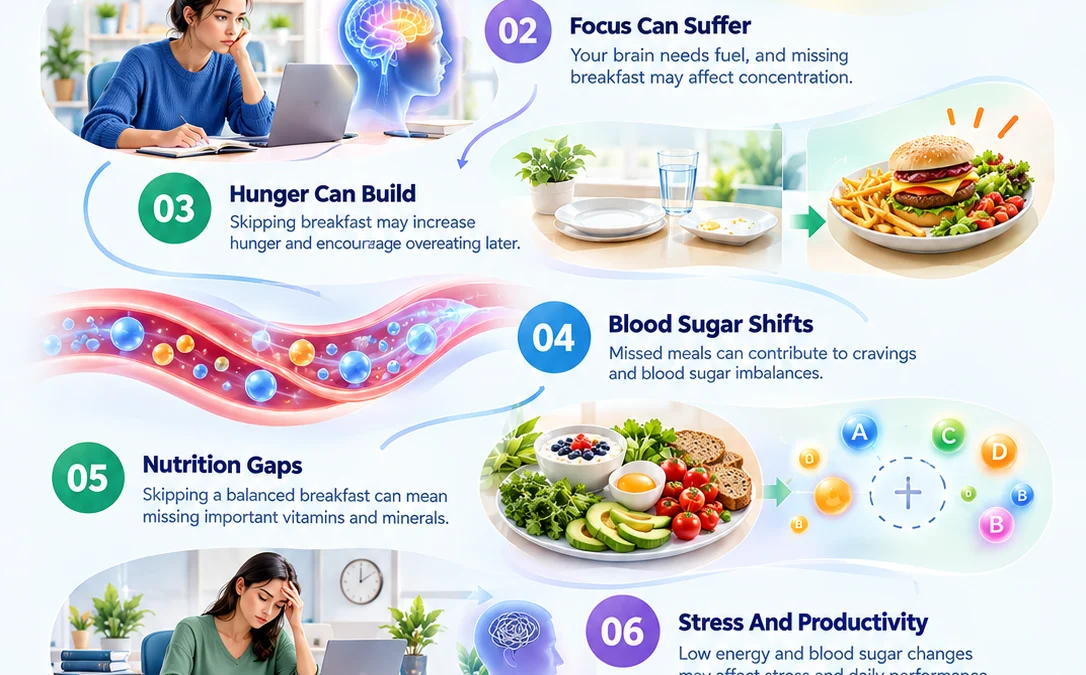
Hey there, health enthusiasts! Ever find yourself rushing out the door, skipping that morning meal to gain a few precious minutes? We get it – mornings can be a whirlwind. But what if we told you that consistently skipping breakfast could be quietly sabotaging your day and your long-term health? Let’s dive deep into why your first meal matters more than you might think. 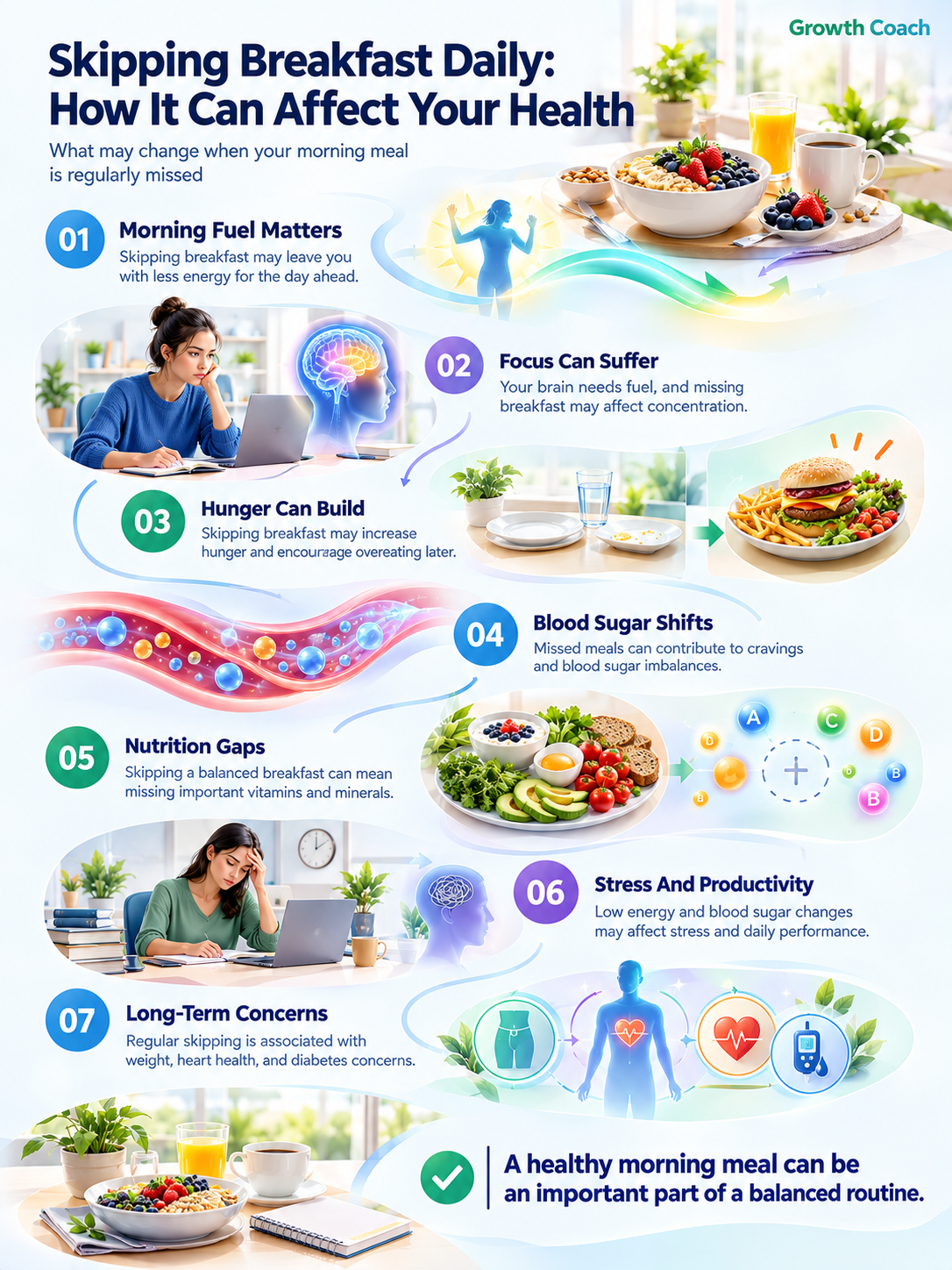 Skipping breakfast might feel like a simple hack to shave time off your morning routine, but the reality is that regularly missing this crucial first meal can have a ripple effect on your energy levels, your ability to concentrate, your hunger cues, your blood sugar stability, your overall nutrient intake, and so much more throughout your entire day. Think of breakfast as your body’s much-needed refuel after an overnight fast. It’s your first opportunity to provide essential fuel and nutrients to get your system up and running. When you consistently skip it, the consequences can start to show up long before any serious long-term health concerns even begin to emerge. Many people notice pretty immediate changes. You might feel that familiar slump in energy, a surge of irritability (hello, hanger!), a gnawing hunger that seems to strike much earlier than usual, or a frustrating difficulty focusing on tasks. These are your body’s signals that it’s missing out on something important. And over time, if this habit persists, consistently missing a balanced morning meal can become associated with a host of potential issues, including challenges with weight management, blood sugar regulation, heart health, nutrient deficiencies, increased stress levels, and a noticeable dip in overall productivity. The core takeaway here isn’t just about the meal itself, but about the power of nutritional choices made early in the day. What you eat (or don’t eat) for breakfast can profoundly influence how you feel, how you function, and how you navigate the rest of your day. So, what exactly happens when you skip breakfast every single day? Let’s break it down. Regularly skipping breakfast can pave the way for low energy, irritability, a foggy brain that struggles with concentration, amplified hunger, intense cravings for less-than-healthy foods, and imbalances in your blood sugar. Looking further down the road, it’s been linked to a higher Body Mass Index (BMI), increased abdominal fat, potential heart health concerns, the development of insulin resistance, poorer overall nutrition, heightened stress, and a significant decrease in your daily productivity. The Immediate Impact: How Skipping Breakfast Affects Your Morning The effects of missing your morning meal often become noticeable quite early in the day. Without that initial replenishment, your body and brain might start sending out distress signals in the form of mood changes, energy dips, concentration struggles, and altered appetite signals. Mood Swings: That low blood sugar you experience when you skip breakfast is a direct contributor to irritability and can make you feel more stressed, turning what should be a manageable morning into a challenging one. Poor Focus & Concentration: Your brain is like a high-performance engine; it absolutely requires fuel to function optimally. When you skip breakfast, you’re essentially running on fumes, making it much harder to think clearly, stay sharp, and maintain focus on your tasks. Low Energy: Without the vital energy boost from a morning meal, you’re likely to feel tired, sluggish, and unmotivated right from the start of your day. It’s like trying to start a long journey with an almost empty gas tank. Fueling Your Day: Why Hunger and Blood Sugar Become a Concern Skipping breakfast can significantly disrupt how your hunger signals work throughout the day. When you forgo your morning meal, you might find yourself experiencing increased hunger later on, which can make you more susceptible to overeating. This isn’t just about feeling hungry; it’s about intense hunger that can lead to poor food choices. Increased Hunger Can Shift Eating Later in the Day: When you skip that morning meal, your body signals for more food later. This heightened hunger can easily lead to overeating during lunch or dinner, and it can make the whole process of managing your weight a lot trickier. Blood sugar is another critical aspect to consider. Research and observations often link skipped meals with fluctuations in blood sugar levels and a rise in cravings, particularly for sugary or high-carbohydrate foods. This can also increase your risk for developing conditions like diabetes over time. Cravings and Blood Sugar Imbalances: Skipping your morning meal can directly contribute to those rollercoaster-like fluctuations in your blood sugar. This often translates into intense cravings, and studies suggest a correlation between regular breakfast skipping and an elevated risk of developing type 2 diabetes. The Long-Term Picture: Potential Health Consequences of Skipping Breakfast The consequences of skipping breakfast don’t just end with a rough morning. The patterns and information available highlight several longer-term associations that are worth paying attention to when breakfast is consistently missed. 01. Weight Gain: Believe it or not, regularly skipping breakfast has been linked to a higher Body Mass Index (BMI) and an increase in stubborn belly fat over time. This might seem counterintuitive, but skipping meals can disrupt your metabolism and hormone regulation. 02. Heart Health Risk: Emerging evidence suggests that skipping breakfast might be associated with less favorable heart health markers, potentially including higher cholesterol levels and elevated blood pressure. These are significant risk factors for cardiovascular disease. 03. Type 2 Diabetes Risk: Consistently missing your morning meal is linked in various studies to the development of insulin resistance. This is a critical precursor to type 2 diabetes, as your body struggles to effectively use insulin to manage blood sugar. 04. Poorer Nutrition: A balanced breakfast is a golden opportunity to pack in essential vitamins, minerals, and fiber. When you skip it, you miss a key chance to meet your daily nutritional requirements, potentially leading to deficiencies over time. 05. Lower Productivity: The immediate effects of low energy and poor concentration don’t just disappear. They can carry through your day, impacting your performance at work, school, or in any demanding cognitive task. Beyond the Obvious: Nutritional Balance and Immunity A well-rounded breakfast isn’t just about energy; it’s a vital opportunity to fuel your body with the nutrients it needs to function optimally, including supporting your immune system. When breakfast is consistently skipped, and overall dietary choices aren’t great, your nutrient intake can significantly suffer. Missed Nutrients: Skipping breakfast means missing out on a prime opportunity to consume crucial vitamins, minerals, and fiber that are essential for daily bodily functions and long-term health. Nutritional Support for Immunity: The infographic points out that poor nutritional choices and a lack of essential nutrients can weaken your immune system’s ability to fight off infections and keep you healthy. Stress and the Breakfast Connection The link between breakfast and stress is another fascinating aspect highlighted in health research. Low blood sugar, a common outcome of skipping breakfast, can trigger an increase in the production of cortisol – the body’s primary stress hormone. This can make you feel more on edge and less equipped to handle daily stressors. Key Insight: A hectic morning shouldn’t automatically mean an empty stomach. Consistent nutrition, starting with breakfast, plays a crucial role in how your body manages energy, hunger, focus, and stress throughout the entire day. The Daily Cascade: From Morning Energy to All-Day Productivity The effects we’ve discussed are often interconnected, creating a cascade of impacts throughout your day. For instance, feeling low on energy can make it exponentially harder to concentrate. Increased hunger later in the day can lead to less healthy food choices and overeating. And those blood sugar fluctuations? They can directly contribute to cravings and heightened stress levels. A morning meal can support multiple aspects of your day simultaneously: * Provides the essential energy needed for your morning activities. * Offers the fuel required for optimal concentration and clear thinking. * Helps you maintain better control over hunger pangs later in the day. * Presents a valuable opportunity to incorporate vital nutrients into your diet. * Contributes to a more consistent and regulated eating routine. Practical Principle: While saving a few minutes in the morning by skipping breakfast might seem convenient in the short term, the potential consequences can extend far beyond those initial hours, impacting your health, mood, and productivity for the entire day and beyond. Key Takeaways: What to Remember About Skipping Breakfast * Energy Matters: Skipping breakfast can lead to feelings of tiredness, sluggishness, and a general lack of motivation. * Focus Can Suffer: Your brain needs fuel to function. Poor morning nutrition can significantly impair your ability to concentrate and think clearly. * Hunger Can Build: Forgoing breakfast can intensify hunger later in the day, increasing the likelihood of overeating and making less healthy food choices. * Nutrition Counts: A balanced breakfast is a fantastic opportunity to get essential vitamins, minerals, and fiber into your diet right from the start. * Long-Term Patterns Matter: Consistently skipping breakfast is associated with a range of potential long-term health concerns, including weight management issues, heart health risks, blood sugar imbalances, increased stress, and reduced productivity. Final Perspective: Breakfast Is More Than Just a Meal – It Shapes Your Entire Day While skipping breakfast might seem like a harmless time-saving habit, the available information strongly suggests a spectrum of potential effects. These range from immediate impacts like reduced energy and poor concentration to later issues like increased hunger, intense cravings, heightened stress, and compromised nutritional intake. Looking at the bigger picture, regularly skipping breakfast has been linked to more significant long-term concerns such as weight gain, compromised heart health, insulin resistance, and diminished productivity. It’s important to remember that these associations don’t mean everyone who skips breakfast will face all these issues. However, they strongly underscore why making breakfast a consistent part of a healthy routine is so beneficial. So, let’s reframe that thought: Breakfast isn’t optional; it’s essential for setting yourself up for a successful, energized, and healthy day! Explore More: Build Better Everyday Habits With Growth Coach Ready to make more informed choices for your health and well-being? Explore practical insights on health, wellness, and personal growth designed to empower you. Discover how small, consistent habits can lead to significant improvements in your daily life.