Hey there, health enthusiasts! Ever feel like eating for a healthy heart is some complicated, restrictive diet you just can’t stick to? Well, good news! It turns out that supporting your cardiovascular system doesn’t require a complete kitchen overhaul or a degree in nutrition. We’ve dug into insights from cardiologists featured by Verywell Health, and they’re sharing the simple, everyday foods they personally rely on. Think nuts, vibrant fruits, delicious fish, creamy yogurt, hearty whole grains, colorful vegetables, and satisfying plant-based proteins. These aren’t exotic superfoods; they’re accessible choices that can make a real difference when incorporated into your daily routine.
The truth is, heart-healthy eating is less about finding that one magical food and more about the consistent, smart choices you make meal after meal, snack after snack. The foods you choose to fuel your body with regularly have a profound impact on your overall nutritional intake and help build sustainable habits that are fantastic for your heart.
In a recent discussion, several cardiologists revealed their personal go-to foods for maintaining excellent heart health. A clear theme emerged: prioritize nutrient-dense options, embrace a wide variety of plant-based foods, opt for healthier sources of protein and fats, and make simple, effective substitutions to reduce your intake of highly processed items and excess sodium. It’s about making conscious decisions that add up over time.
So, how do these simple choices come together to form a heart-friendly eating pattern? And more importantly, how can you weave them into your ordinary day without turning every meal into a culinary project? Let’s break it down.
What are some go-to heart-healthy foods you should be eating regularly?
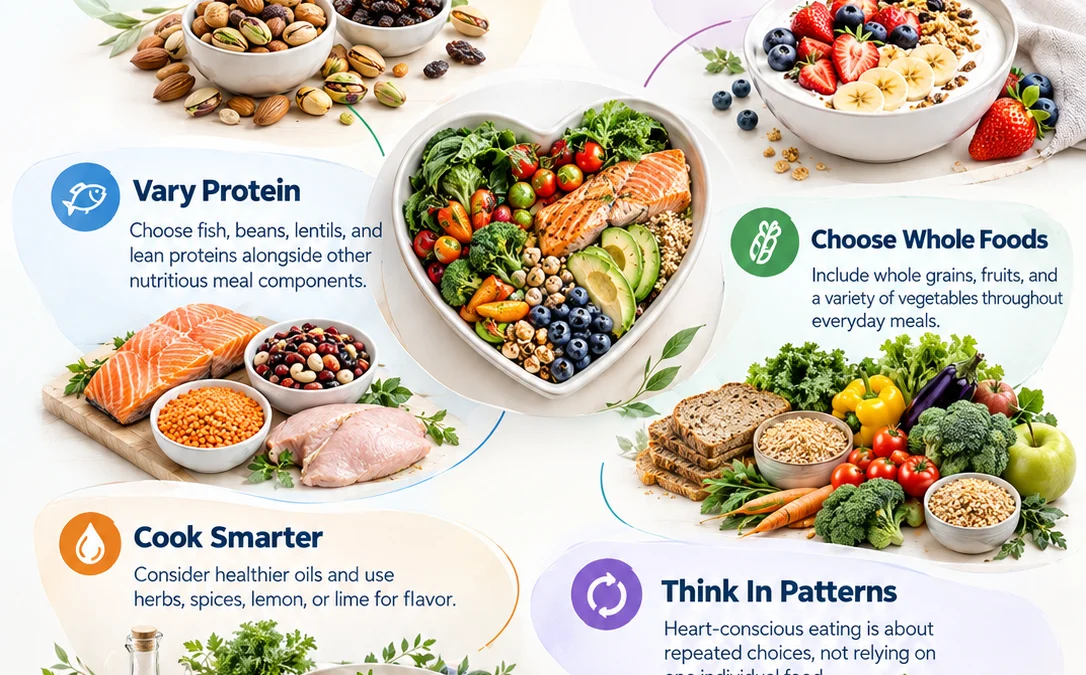
The cardiologists highlighted a fantastic lineup of everyday heroes: think nuts and raisins for a quick energy boost, Greek yogurt topped with fresh fruit for a balanced breakfast, fish and plant-based proteins for satisfying meals, whole grains and vegetables for essential fiber and nutrients, and of course, plenty of fruit. Beyond these core foods, making smarter choices about cooking oils, opting for leaner proteins, and finding low-sodium ways to season your food are also key strategies for a heart-conscious diet.

6 Simple Heart-Healthy Food Habits You Can Start Today
What makes these cardiologist-approved choices so great? They’re practical, not some obscure, hard-to-find ingredients. Many of them can be effortlessly combined into your existing breakfast, lunch, dinner, or snack routines without requiring a drastic lifestyle change. Let’s dive into the six key habits:
1. Smart Snacking: Pair Nuts with Fruit for Satisfaction
One cardiologist shared that a simple mix of raisins and nuts is their go-to snack. Why does this work so well for heart health? Nuts are packed with heart-healthy unsaturated fats, providing sustained energy and helping you feel full. Raisins, on the other hand, offer a good dose of fiber and potassium, both crucial for cardiovascular well-being. If you opt for walnuts, you’re also getting a dose of omega-3 fatty acids, which are superstars for heart health. This combination is not only nutritious but also incredibly convenient – perfect for tossing in a bag for a satisfying, energy-boosting snack between meals.
Make the Healthier Snack the Easier Snack: The key here is convenience. Keep pre-portioned bags of almonds, pistachios, walnuts, or your favorite nuts readily available. Have a bowl of washed fruit or a container of raisins on your counter. When hunger strikes, the healthiest option should be the easiest one to grab. It’s not about being perfect 100% of the time, but about making nutrient-rich choices the default, routine option.
2. Breakfast Powerhouse: Build Your Morning Around Greek Yogurt and Fruit
Another cardiologist highlighted a breakfast staple: Greek yogurt paired with fruit and a sprinkle of granola. This combo is a nutritional slam dunk for your heart! Greek yogurt is a fantastic source of protein, which helps keep you feeling full and satisfied throughout the morning, preventing those mid-morning energy crashes. Fresh fruit adds essential dietary fiber, vitamins, and natural sweetness, reducing the need for added sugars. Plus, many yogurts contain probiotics, which are beneficial for gut health, and a healthy gut is increasingly linked to overall cardiovascular wellness. It’s a versatile base that can be customized with different fruits and a touch of whole-grain granola for added fiber and texture.
- Add Nature’s Sweetness with Fruit: Think vibrant berries like strawberries and blueberries, or a classic like a sliced banana. These fruits are packed with antioxidants and fiber.
- Include a Protein Punch: Greek yogurt offers a protein-rich foundation that’s far more satisfying than a carb-heavy breakfast.
- Don’t Forget Whole Grains: Opt for granola made with whole oats, or pair your yogurt with whole-grain cereal or toast for sustained energy and added fiber.
3. Protein Powerhouses: Favor Fish and Plant-Based Proteins
One cardiologist emphasized making fish and plant-based proteins the stars of his meals. His daily routine often involved pairing these protein sources with wholesome carbohydrates like rice, potatoes, or pasta, alongside plenty of vegetables. This is a brilliant strategy because fish, especially fatty fish like salmon and mackerel, are rich in omega-3 fatty acids, which are incredibly beneficial for heart health. Plant-based proteins, such as beans, lentils, and tofu, are not only excellent sources of protein but also come packed with fiber, vitamins, and minerals, while typically being lower in saturated fat than many animal proteins. Incorporating these more often can significantly improve your diet’s overall nutritional profile.
And before you think this means giving up all your favorite foods, remember this: the cardiologists interviewed weren’t advocating for extreme restriction. One even mentioned enjoying pizza or other favorite meals on weekends. The key takeaway is that a heart-healthy eating pattern is built on the foundation of nutritious choices made most of the time, allowing for flexibility and enjoyment without derailing your progress. It’s about the overall pattern, not rigid perfection.
“Heart-healthy” eating is less about a single superfood and more about the pattern you create across your everyday meals.
Smart Swaps for More Heart-Conscious Everyday Meals
Beyond choosing specific foods, the experts also shared some incredibly practical swaps that can elevate the nutritional quality of your meals without demanding a complete menu overhaul. These are game-changers because they integrate seamlessly into the dishes you likely already prepare and enjoy.
- COOKING SWAP: Embrace Healthier Oils: Instead of reaching for butter, consider using heart-healthy oils like extra virgin olive oil or canola oil for cooking. These oils are rich in monounsaturated and polyunsaturated fats, which are much better for your cardiovascular system.
- PROTEIN SWAP: Leaner is Better: Swap out some of your red meat consumption for leaner protein sources. Think skinless chicken breast, oily fish like salmon or sardines, or hearty legumes like beans and lentils.
- FLAVOR SWAP: Unleash the Power of Herbs and Citrus: To reduce your reliance on salt, experiment with fresh herbs, fragrant spices, and zesty citrus juices like lemon and lime. These ingredients can add incredible depth and brightness to your dishes, making low-sodium cooking exciting and flavorful.
What About Snacks, Veggies, and Those Tricky Processed Foods?
Snacking is often a nutritional minefield, but it can also be a fantastic opportunity to boost your intake of healthy foods. The cardiologists’ advice points towards simple, whole-food options like fruit and nuts. Specifically, almonds and pistachios were mentioned as excellent choices because they are portable, satisfying, and packed with nutrients. Keeping these on hand can make healthy snacking effortless.
Vegetables absolutely deserve a prominent place on your plate, every single day. The advice here is simple: make them a regular part of your meals. Consider growing your own vegetables, whether in a garden plot or even just a few pots on a balcony. Options like green beans, squash, bell peppers, tomatoes, and eggplant are great choices. Growing your own produce not only ensures freshness but also gives you greater control over how it’s cultivated, from soil to harvest.
Always Check Nutrition Labels: When you do reach for packaged foods, make it a habit to read the nutrition labels. The cardiologists’ advice emphasizes limiting highly processed foods. Pay close attention to the ingredient list, especially for the presence of multiple additives and preservatives, which are often signs of a less healthy, more processed option.
Flavor Without the Salt: Reducing Sodium Doesn’t Mean Bland Food
Sodium is a hot topic when it comes to heart health, and for good reason. But the good news is that reducing your salt intake doesn’t mean sacrificing flavor. Instead of relying heavily on the salt shaker, the experts recommend embracing the vibrant world of herbs, spices, and citrus juices. Think about adding a squeeze of lemon to grilled fish, a sprinkle of fresh parsley or cilantro to your steamed vegetables, or a pinch of cumin and chili powder to your beans and grains. These ingredients don’t just add flavor; they add complexity and brightness, making your meals more interesting while helping you naturally cut back on sodium. Small changes like these can transform low-salt cooking from feeling like a restriction into a delicious flavor upgrade.
| Everyday situation | Heart-conscious direction |
| Between-meal hunger | Fruit, nuts, raisins, almonds, or pistachios |
| Quick breakfast | Greek yogurt with fruit and granola |
| Protein at dinner | Fish, lean proteins, beans, or lentils |
| Cooking fats | Consider extra virgin olive oil or canola oil instead of butter |
| Adding flavor | Herbs, spices, lemon, or lime instead of relying mainly on salt |
Think in Patterns, Not Isolated Foods: It’s crucial to understand that adding just one healthy food to an otherwise unchanged diet probably won’t move the needle significantly. The real power lies in adopting a consistent pattern of making healthier choices across all your meals and snacks. The practical advice from these cardiologists is to build your meals around a variety of nutrient-rich foods and make those healthier choices the norm, day in and day out.
Your Heart-Healthy Eating Toolkit: Key Takeaways
- 01 — Keep Nutrient-Rich Snacks Accessible: Always have fruits, nuts, or raisins readily available for those between-meal hunger pangs. They’re convenient and packed with goodness.
- 02 — Make Breakfast a Priority: Start your day strong with a balanced breakfast. Greek yogurt with fruit and a sprinkle of granola is a winning combination for protein, fiber, and essential nutrients.
- 03 — Diversify Your Protein Sources: Don’t stick to just one type of protein. Include fish, lean meats, poultry, beans, and lentils in your diet for a well-rounded nutritional profile.
- 04 — Embrace Simple Ingredient Swaps: Small changes make a big impact. Opt for healthier oils, choose whole grains, load up on vegetables, and get creative with lower-sodium flavoring options.
- 05 — Allow for Flexibility: A sustainable heart-conscious eating pattern doesn’t mean deprivation. It’s okay to enjoy less nutrient-dense foods occasionally. Balance is key.
SOURCE: This article draws from insights shared in a Verywell Health feature where three cardiologists discussed their personal everyday food choices for supporting heart health. Read the original recommendations here: Cardiologists’ Heart-Healthy Food Recommendations
A Heart-Healthy Diet Can Start With the Foods You Already Love
The cardiologists featured by Verywell Health offer a refreshingly realistic perspective: build your meals around nutrient-dense foods, diversify your protein intake, increase your consumption of fruits and vegetables, favor healthier fats, and discover flavorful ways to reduce salt. You don’t need to completely revamp your entire kitchen overnight. A few simple, repeatable choices – like swapping a less nutritious snack for a handful of nuts, pairing fruit with your yogurt, opting for fish or plant-based proteins at dinner, and using herbs or citrus instead of relying solely on salt – can gradually become integral parts of a broader, heart-conscious eating pattern.
Ultimately, the most effective heart-healthy foods are often the ones that are genuinely enjoyable and sustainable for you to include in your diet consistently. Start small, make smart swaps, and build habits that support your heart for the long haul!
The most useful heart-healthy foods are often the ones you can realistically enjoy and include again and again.
Keep Building Practical Healthy-Eating Habits
Looking for more practical tips on nutrition, wellness, and how to weave healthy habits into your busy life? Explore Health Gurd’s nutrition and heart-health insights for ongoing guidance.
Please remember that health information provided here is for educational purposes only and should not be considered a substitute for professional medical advice, diagnosis, or treatment. If you have any concerns about your heart health or specific dietary needs, it’s always best to consult with your healthcare provider before making significant changes to your diet.