Hey everyone! Let’s get real about relationships for a second. We often see them portrayed in movies and books as this magical, effortless thing, right? Like a fairy tale where ‘love conquers all’ and you just live happily ever after. But if you’ve been around the block a few times, you know the truth is a lot more nuanced, and frankly, a lot more interesting! Long-term connection isn’t just about that initial spark; it’s about a deep, ongoing dance of understanding, effort, and growth. In this post, we’re diving into those unspoken truths about modern relationships that most of us only figure out after some serious trial and error. We’ll explore why love and compatibility aren’t the same thing, the critical role of communication (spoiler: it’s a skill, not magic!), the importance of emotional independence, building unshakeable trust, why timing is a bigger deal than you think, and the power of consistent, daily effort. If you’re navigating the dating scene, deepening a commitment, healing from past relationships, or just trying to grow as a person, these insights are for you. We’re going to unpack how emotional maturity, navigating conflict like a pro, knowing yourself inside and out, and showing genuine respect are the real building blocks of lasting, healthy partnerships. We’ll even look at why some relationships become invaluable life lessons instead of lifelong partners, and how those seemingly small, everyday habits often pack a bigger punch than a single grand gesture. Ready to get a more realistic, yet ultimately more hopeful, perspective on building stronger, healthier, and more meaningful connections in today’s world? Let’s jump in!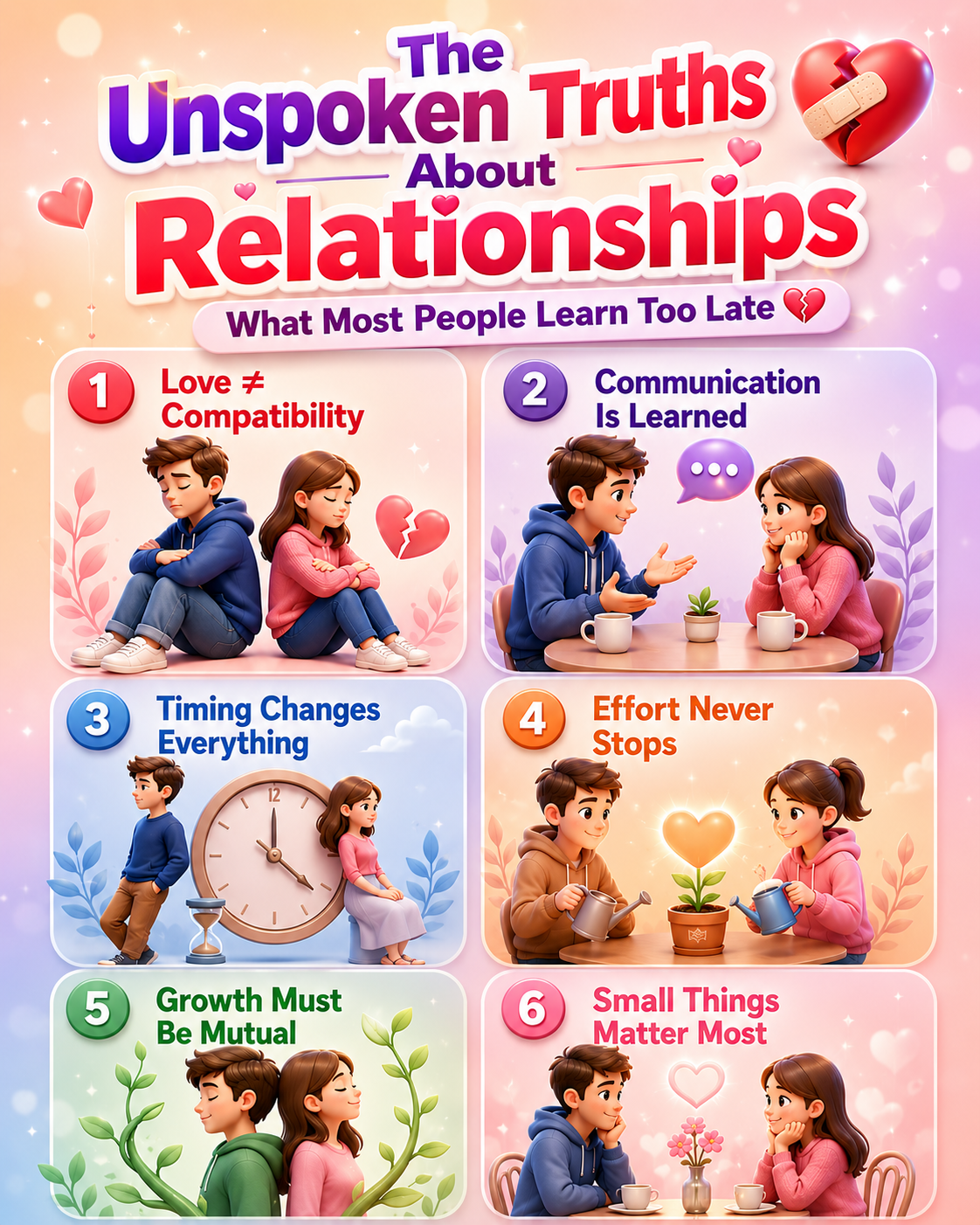
Why Modern Relationships Feel So Much More Complicated These Days
Okay, let’s be honest. Social media, movies, and even our own expectations often paint relationships as this effortless, destined connection fueled by pure love and undeniable chemistry. It’s like you meet ‘the one,’ and everything just falls into place, right? Well, that’s a nice thought, but in reality, building something truly sustainable takes a whole lot more. We’re talking about emotional maturity, stellar communication skills, continuous personal growth, the right timing, and a deep, underlying compatibility that goes beyond surface-level attraction. So many of us jump into relationships with the belief that ‘love is enough,’ only to discover down the line that lasting connections are built on a much sturdier foundation. What does that foundation look like? Think consistent effort, a keen sense of emotional awareness, rock-solid trust, aligned values, and genuine mutual understanding. While that initial attraction might be the spark that lights the fire, it’s the deeper compatibility – how well you navigate life’s ups and downs together – that determines if that fire will keep burning brightly for years to come. Understanding these less-talked-about truths isn’t about being cynical; it’s about being realistic and equipping yourself to build stronger emotional foundations, steer clear of common pitfalls, and cultivate healthier, more grounded expectations about love and partnership. It’s about moving from a fairytale to a beautiful, resilient reality.
Love Doesn’t Always Equal Compatibility: The Hard Truth
Emotional Connection vs. Real-Life Compatibility: They’re Not the Same Ballgame
Here’s one of the toughest pills many of us have to swallow: just because you deeply love someone, or they deeply love you, doesn’t automatically mean you’re compatible. It’s a tough realization, but two people can have genuine affection and care for each other and still find themselves constantly bumping heads when it comes to the day-to-day realities of life. Think about it: different communication styles can lead to constant misunderstandings. Divergent life goals might mean you’re pulling in opposite directions. Varying emotional needs can leave one or both partners feeling unmet. Differing priorities or core values can create persistent friction. So, while that powerful emotional bond might be present, compatibility is really about how well you both function *together*. It’s about your ability to tackle responsibilities as a team, navigate challenges without crumbling, and support each other’s individual and shared growth over the long haul. It’s the practical application of your feelings.
Spotting the Signs of True Compatibility in Your Relationship
So, how do you know if you’re truly compatible beyond just the feels? Look for these key indicators:
- Shared Values and Future Goals: Do you generally agree on what’s important in life? Do you have a similar vision for where you want to be in 5, 10, or 20 years? This doesn’t mean having identical dreams, but rather a shared direction and understanding of life’s big picture.
- Emotional Safety and Trust: Can you be your authentic self without fear of judgment? Do you feel secure and protected in the relationship? Trust isn’t just about fidelity; it’s about knowing your partner has your back.
- Healthy Communication Patterns: Do you feel heard and understood? Can you discuss difficult topics openly and respectfully? This is a cornerstone of compatibility.
- Mutual Respect and Support: Do you genuinely admire and respect each other as individuals? Do you champion each other’s successes and offer comfort during failures?
- Similar Expectations About Commitment and Lifestyle: Are you on the same page about what commitment means to you both? Do your day-to-day lifestyle expectations (e.g., social life, how you spend weekends, financial habits) align reasonably well?
When your emotional connection aligns with this practical, day-to-day compatibility, your relationship doesn’t just survive; it thrives. It’s where the magic really happens.
Communication: It’s a Skill, Not a Magical Mind-Meld!
Why Healthy Communication Takes Practice, Not Just Good Intentions
Here’s a common relationship myth: great communicators are just naturally gifted. Nope! We often assume that in a loving relationship, partners should just *get* each other, that communication should flow effortlessly. But the truth is, effective communication is a skill. It’s something you learn, practice, and refine over time. It requires patience, the ability to manage your own emotions (hello, emotional regulation!), truly listening to understand, and a healthy dose of self-awareness. When we talk about strong communication, we’re not just talking about talking; we’re talking about:
- Active Listening: Really focusing on what your partner is saying, not just waiting for your turn to speak.
- Honest Emotional Expression: Being able to articulate your feelings and needs clearly and vulnerably.
- Respectful Disagreement: Understanding that you can have different opinions without it turning into a personal attack.
- Clear Boundaries: Knowing and communicating your limits and respecting your partner’s.
- Conflict Resolution: Having strategies to work through disagreements constructively.
You know, miscommunication is often the real villain in relationships, causing far more damage than the disagreements themselves. It’s the assumptions, the unheard needs, the misinterpreted tones that erode connection.
Common Communication Roadblocks in Relationships: Watch Out!
Avoiding the Tough Stuff: The Conversation Black Hole
It’s tempting to sweep difficult conversations under the rug to keep the peace. But here’s the kicker: suppressing your emotions or avoiding crucial discussions doesn’t make the problems disappear. More often than not, these unresolved issues fester and grow, creating bigger rifts down the line.
The ‘Mind-Reader’ Fallacy: Assuming Your Partner Knows All
This is a big one! No matter how close you are, your partner isn’t a mind-reader. They can’t automatically intuit your unspoken expectations, your subtle needs, or the complex emotions swirling inside you. You have to actually *tell* them.
Reacting vs. Responding: The Emotional Firestarter
When we react, we’re often driven by immediate emotion, defensiveness, or frustration. This kind of communication tends to escalate conflict, putting your partner on the defensive too. Responding, on the other hand, involves taking a breath, considering the situation, and choosing your words thoughtfully. It’s about de-escalation and problem-solving, not just venting.
Mastering these healthy communication habits isn’t just about avoiding fights; it’s about deepening emotional intimacy and building a rock-solid foundation of stability for your relationship.
That Initial Spark: Attraction Evolves, And That’s Okay!
The ‘Butterflies’ Don’t Last Forever – And That’s a Good Thing!
Remember that exhilarating, heart-pounding feeling when you first fell for someone? That intense attraction, the constant excitement, the sheer emotional chemistry? It’s amazing! But here’s a truth bomb: that level of intense, novel excitement naturally shifts over time. Long-term relationships evolve from that initial fiery passion into something deeper and more stable. This transition isn’t a sign that the love is fading; it’s a completely normal and healthy part of a relationship’s development. As the novelty wears off, sustainable relationships move towards building:
- Emotional Safety: Feeling secure and comfortable being vulnerable.
- Dependability: Knowing you can count on your partner.
- Trust: A deep-seated belief in your partner’s integrity and intentions.
- Comfort: The ease of being together, even in silence.
- Partnership: A sense of being a team, facing life together.
So, if those butterflies have gently fluttered away, don’t panic! It doesn’t mean the love is gone. It means your relationship is likely maturing into a more profound and resilient bond.
Emotional Intimacy Becomes the Real Star of the Show
As relationships mature, the focus shifts. Long-lasting connections rely less on the fleeting thrill of surface-level attraction and more on the profound depth of:
- Emotional Support: Being there for each other through thick and thin.
- Shared Experiences: Building a history and a life together.
- Mutual Growth: Encouraging and supporting each other’s personal development.
- Respect: Valuing each other’s thoughts, feelings, and individuality.
- Consistency: Showing up reliably and predictably with care and affection.
This deeper emotional connection is what gives a relationship its resilience, allowing it to weather storms and flourish over the years.
Timing Isn’t Just a Coincidence: It Can Make or Break Things
The ‘Right Person, Wrong Time’ Scenario is Absolutely Real
Ever heard the phrase, ‘It’s not you, it’s me… and the timing’? It might sound like a cliché breakup line, but there’s a profound truth to it. People grow and evolve at their own pace. Even if two individuals are incredibly emotionally compatible on paper, their relationship can falter if the timing just isn’t aligned. Life throws a lot at us, and these circumstances can significantly impact a relationship’s trajectory:
- Career Pressures: Intense work demands can leave little energy or time for a relationship.
- Mental and Emotional Maturity: One partner might be ready for commitment while the other is still figuring themselves out.
- Family Responsibilities: Caring for aging parents or other family obligations can strain a relationship.
- Financial Stress: Money worries are a major source of conflict and can divert focus from the partnership.
- Personal Healing Journeys: If one or both partners are dealing with significant trauma or personal issues, they may not have the capacity for a healthy relationship.
Sometimes, relationships don’t end because the love wasn’t strong enough, but simply because one or both individuals weren’t in a place to give the relationship what it truly needed at that particular moment. It’s a hard pill to swallow, but acknowledging the role of timing is crucial.
Emotional Readiness: The Unsung Hero of Relationship Success
Ultimately, healthy relationships flourish when *both* individuals are emotionally available, ready to invest, and willing to grow together. It’s about being present and capable of meeting the demands of a partnership, not just wishing for it.
You Can’t Force Change: Growth Has to Come from Within
The Illusion of ‘Fixing’ Your Partner: Why It Never Works
This is a big one, especially in the early stages of a relationship. A common, albeit misguided, belief is that your love alone can ‘fix’ or fundamentally change your partner. You see their flaws, their struggles, their less-than-ideal habits, and think, ‘Don’t worry, I’ll be the one to help them become their best self!’ While the intention might be good, lasting change *never* happens because someone else wills it. It only occurs when an individual genuinely chooses personal growth and takes accountability for their own actions and development. Trying to be a perpetual rescuer, a subtle controller, or a constant repair person for your partner is a recipe for emotional exhaustion and a deeply imbalanced dynamic. It’s not sustainable and often breeds resentment.
Supportive Partner vs. Emotional Over-Responsibility: Know the Difference
Healthy relationships foster growth, but they also maintain clear lines of individual responsibility. A supportive partner encourages and champions your growth, but they don’t *own* it. Each person remains ultimately responsible for:
- Their Own Emotional Behavior: How they choose to react, express themselves, and manage their feelings.
- Their Personal Healing: Addressing their own past wounds and traumas.
- Their Communication Habits: Learning to express themselves effectively and respectfully.
- Their Accountability: Owning their mistakes and taking steps to make amends.
True, healthy love is about supporting someone’s journey without taking over the steering wheel or becoming their emotional crutch. It’s about empowerment, not enmeshment.
Conflict: It’s Normal, It’s Healthy (When Handled Right!)
Even the Best Couples Disagree – That’s Not the Problem
Let’s bust another myth: happy, healthy couples never fight. False! Disagreements are a natural, inevitable part of any close relationship. Think about it – you’re two different people with unique perspectives, needs, and experiences. Conflict itself isn’t the enemy. What truly matters, and what determines the health of a relationship, is *how* you manage that conflict. Strong, resilient relationships don’t avoid conflict; they focus on:
- Respect During Disagreements: Treating each other with dignity, even when you’re upset.
- Problem-Solving Over Blame: Focusing on finding solutions together rather than pointing fingers.
- Emotional Regulation: Managing your own feelings so you don’t lash out destructively.
- Repair After Arguments: Making amends, apologizing sincerely, and reconnecting after a disagreement.
Red Flags: Unhealthy Conflict Behaviors to Avoid
The Silent Treatment: The Ultimate Wall-Builder
Withdrawing communication, giving the silent treatment, or stonewalling might feel like a way to de-escalate, but it’s actually one of the most damaging conflict behaviors. It creates emotional distance, breeds resentment, and leaves issues unresolved.
Personal Attacks: Hitting Below the Belt
Criticizing your partner’s character, intelligence, or core identity (‘You’re so lazy,’ ‘You’re always so selfish’) is incredibly damaging. It erodes trust and makes the other person feel attacked and defensive, rather than understood.
‘Winning’ the Argument: A Partnership Loser
When the goal becomes ‘winning’ the argument rather than understanding your partner’s perspective and finding a resolution, the relationship loses. Relationships are partnerships, not competitions. The aim should be mutual understanding and compromise.
Learning effective conflict resolution skills is like building a stronger emotional safety net for your relationship. It allows you to navigate rough patches with more confidence and resilience.
The Never-Ending Story: Effort is Always Required
Long-Term Relationships Need Consistent Nurturing, Not Autopilot
This might be the most overlooked truth of all: relationships simply cannot run on autopilot. You can’t just set it and forget it. If the consistent effort – the intentional actions that show you care – starts to fade, so does the emotional connection. Healthy, thriving relationships are characterized by ongoing, mindful attention. This looks like:
- Consistent Communication: Regularly checking in, sharing your day, expressing your thoughts and feelings.
- Showing Appreciation: Not taking your partner for granted; actively acknowledging and valuing them.
- Shared Experiences: Intentionally creating memories and spending quality time together.
- Emotional Presence: Being fully there when you’re together, not distracted by phones or other worries.
- Small Acts of Care: Little gestures that say, ‘I’m thinking of you.’
Why Those Tiny Daily Actions Pack the Biggest Punch
Forget the grand, sweeping romantic gestures for a moment (though those can be nice too!). It’s often the small, consistent, everyday habits that truly build the bedrock of a strong relationship. These aren’t usually dramatic or attention-grabbing, but they create a powerful sense of security and connection:
- Checking In Emotionally: Asking ‘How are you, really?’ and truly listening to the answer.
- Expressing Gratitude: Saying ‘thank you’ for both big and small things.
- Listening Attentively: Putting down your phone and giving your partner your undivided attention when they speak.
- Supporting During Stressful Moments: Offering comfort, a listening ear, or practical help when they’re overwhelmed.
- Spending Intentional Quality Time: Even 15-20 minutes of focused, device-free connection each day can make a huge difference.
Consistency in these positive actions is what builds deep, unwavering emotional trust over time. It’s the steady drip that fills the well.
Independence Isn’t Selfish; It Actually Strengthens Your Bond
Two Whole, Healthy Individuals Make for Healthier Partnerships
It might seem counterintuitive, but healthy relationships are actually strongest when both individuals maintain a strong sense of self outside of the partnership. This means cultivating and preserving:
- Personal Identity: Knowing who you are beyond ‘being in a relationship.’
- Emotional Independence: Being able to manage your own emotions and not relying solely on your partner for validation or happiness.
- Individual Friendships and Goals: Maintaining your own social circles and pursuing personal aspirations.
- Self-Worth Outside the Relationship: Your value as a person shouldn’t be solely tied to your relationship status.
When one partner becomes overly dependent on the other, it can create immense pressure, foster insecurity, and lead to an unhealthy emotional imbalance. It’s like trying to build a house on a shaky foundation.
Why Personal Growth is a Relationship Superpower
We are all constantly evolving human beings. We change, we learn, we grow throughout our lives. Relationships thrive when both partners support and encourage each other’s individual development, rather than hindering or restricting it. When you both are committed to your own personal growth, you bring more to the relationship – more resilience, more self-awareness, more creativity, and a greater capacity for understanding.
Not Every Relationship is Forever: And That’s Okay Too
Some Connections Are Priceless Lessons in Disguise
Here’s a truth that can be hard to accept: not every beautiful connection you make is destined to be a lifelong partnership. And you know what? That doesn’t automatically make that relationship meaningless or a failure. Sometimes, certain relationships serve a vital purpose in our lives by teaching us invaluable lessons. They can help us:
- Understand Our Boundaries: Learning what we will and won’t accept in a relationship.
- Recognize Unhealthy Patterns: Identifying red flags and toxic dynamics so we don’t repeat them.
- Discover Our Emotional Needs: Figuring out what we truly require from a partner and a relationship.
- Build Self-Awareness: Gaining deeper insights into our own behaviors and reactions.
- Clarify Future Expectations: Understanding what we *really* want (and don’t want) in future connections.
Even relationships that are temporary can be profound catalysts for significant emotional growth and personal development.
Emotional Maturity Means Embracing Change, Including Letting Go
Holding onto a relationship solely out of fear – fear of being alone, fear of the unknown, fear of disappointing others, or simply out of comfort and familiarity – often leads to deeper unhappiness and stagnation over time. Sometimes, the most mature and loving thing you can do, both for yourself and for the other person, is to acknowledge when a chapter needs to close. True growth often requires the courage to let go.
Your Relationships Are Mirrors: They Reveal Your Inner World
Emotional Triggers Are Opportunities for Inner Growth
Think of your relationships as powerful mirrors. They have a remarkable way of reflecting back to us aspects of ourselves that we might not otherwise see clearly. They often act as potent catalysts for revealing:
- Attachment Styles: How we tend to connect (or disconnect) with others based on early experiences.
- Communication Habits: Our go-to ways of speaking, listening, and expressing ourselves, for better or worse.
- Emotional Insecurities: The deep-seated fears and doubts that can influence our behavior.
- Conflict Responses: Our automatic reactions when disagreements arise.
- Self-Worth Patterns: How we perceive our own value and how that impacts our relationships.
Becoming aware of these underlying patterns is a huge step. Understanding them allows you to improve your emotional intelligence and lay the groundwork for healthier, more fulfilling connections in the future.
Self-Awareness: The Secret Sauce for Better Relationships
People who take the time to understand their own emotional landscape, their triggers, and their habitual responses are far more likely to communicate effectively and build genuinely healthy connections. It’s a powerful feedback loop: personal growth fuels relationship growth, and relationship dynamics offer insights for further personal growth.
Love is Essential, But It’s Not the Only Ingredient
Successful Relationships Need More Than Just Feelings to Flourish
Love is undeniably a vital component of any romantic relationship. It’s the spark, the glue, the driving force. But if we’re talking about long-term, sustainable, healthy relationships, love alone simply isn’t enough to carry the weight. Successful partnerships require a robust blend of:
- Trust: The bedrock of security and reliability.
- Respect: Valuing each other’s dignity, opinions, and autonomy.
- Emotional Safety: Creating a space where vulnerability is welcomed, not punished.
- Shared Values: A fundamental alignment on what matters most in life.
- Accountability: Taking responsibility for one’s actions and their impact.
- Commitment: The conscious decision to invest in and work through challenges together.
- Communication: The ongoing practice of expressing needs, listening, and understanding.
Without these essential building blocks, that beautiful emotional connection, while lovely, may not have the structural integrity to withstand the tests of time and challenges.
Mutual Respect: The Foundation of Lasting Stability
Respect is a powerful force that influences almost every aspect of a relationship. It directly impacts:
- Communication Quality: When you respect someone, you listen more attentively and speak more thoughtfully.
- Emotional Safety: Respect creates an environment where partners feel valued and secure.
- Conflict Management: You’re more likely to seek understanding and compromise when respect is present.
- Trust Development: Respect is intrinsically linked to trust; you trust someone you respect.
Ultimately, healthy relationships are ones that actively protect each person’s dignity, even during the most difficult moments. Respect ensures that disagreements don’t devolve into dehumanizing experiences.
Small Habits, Big Impact: The Real Relationship Builders
Daily Actions Create the Emotional Security Your Relationship Needs
Let’s circle back to this crucial point: relationships are forged and strengthened not in the rare, dramatic moments, but through the consistent, repeated actions of everyday life. It’s the mundane, the ordinary, the daily interactions that truly build the foundation of emotional security. Think about the cumulative effect of:
- Consistent Kindness: Small acts of thoughtfulness and consideration shown regularly.
- Emotional Availability: Being present and responsive to your partner’s emotional needs.
- Reliability: Following through on promises and being dependable.
- Honest Communication: Sharing your thoughts and feelings openly, even when it’s uncomfortable.
- Thoughtful Attention: Noticing the little things, remembering details, showing you’re paying attention.
These aren’t flashy displays, but they are the quiet, steady habits that gradually build deep, unwavering emotional trust and connection.
The Power of Consistency: Why It Matters So Much
People feel truly emotionally secure in a relationship when the care, affection, and support they receive are predictable, stable, and genuine over time. It’s not about sporadic bursts of attention; it’s about the reliable, consistent presence of love and effort. Healthy relationships don’t just happen; they are actively grown through the power of repeated positive interactions, day in and day out.
Real Relationships Demand Real Emotional Growth
So, let’s wrap this up with a clear picture. Relationships aren’t perfect, glossy fairy tales. They are dynamic, evolving partnerships. Their success hinges on a complex interplay of factors: consistent communication, unwavering trust, personal maturity, the right timing, dedicated effort, and a deep well of emotional awareness. When we truly understand these less-obvious, yet critically important, realities of relationships, we equip ourselves to set healthier expectations and build much stronger emotional foundations. Love might be the beautiful beginning of the journey, but it’s the ongoing commitment to mutual growth, profound respect, steadfast consistency, and shared emotional responsibility that truly sustains a long-term connection. The most resilient and fulfilling relationships aren’t built by people who are perfect. They’re built by two individuals who are genuinely willing to grow, to communicate openly, to adapt to life’s inevitable changes, and to consistently care for each other through it all. That’s the real, unspoken truth.