Hey there! Let’s talk about something super important for our well-being: cortisol. You know, that hormone that gets released when we’re feeling stressed? While it’s a natural and even helpful response in short bursts, when it stays high for too long, it can really start to mess with our energy levels, sleep quality, weight management, mood, immune system, and just our overall sense of feeling good. This guide is your ultimate deep dive into understanding cortisol. We’ll break down what it is, why your body makes it, what the common culprits are behind those persistently high levels, and the warning signs you absolutely shouldn’t ignore. Plus, we’ve got a treasure trove of science-backed strategies to help you naturally bring your cortisol levels back into balance. Think better sleep, a more balanced diet, smart exercise, mindfulness practices, staying hydrated, and just adopting healthier daily habits. The real goal here isn’t to eliminate stress entirely (let’s be real, that’s nearly impossible!), but to learn effective ways to manage it so your body can find its natural equilibrium again. So, whether you’re aiming for sharper mental clarity, a boost in your energy, a stronger immune system, or just a generally healthier lifestyle, this guide is packed with practical, actionable insights to help you build lasting resilience and protect your physical and mental health, one smart habit at a time.
What Is Cortisol and How Can You Lower It Naturally Every Day?
Let’s face it, stress is pretty much a constant companion in our busy modern lives. Whether it’s the pressure of work deadlines, juggling finances, navigating family dynamics, or just the daily grind, our bodies have a built-in response system to help us cope. A key player in this system is cortisol, often dubbed the ‘stress hormone’.
Now, cortisol is incredibly important. It’s what helps us stay alert and ready to tackle challenges when they arise. But here’s the catch: when stress becomes chronic, our cortisol levels can stay elevated for way too long. This persistent high cortisol can throw pretty much every system in your body out of whack, leading to that dreaded fatigue, trouble sleeping, unwanted weight gain, a dip in your mood, a weakened immune system, and a host of other long-term health issues. Understanding how this hormone works, and more importantly, how to keep it in check, is absolutely crucial for boosting both your physical and mental well-being.
🌱 What Exactly Is Cortisol?
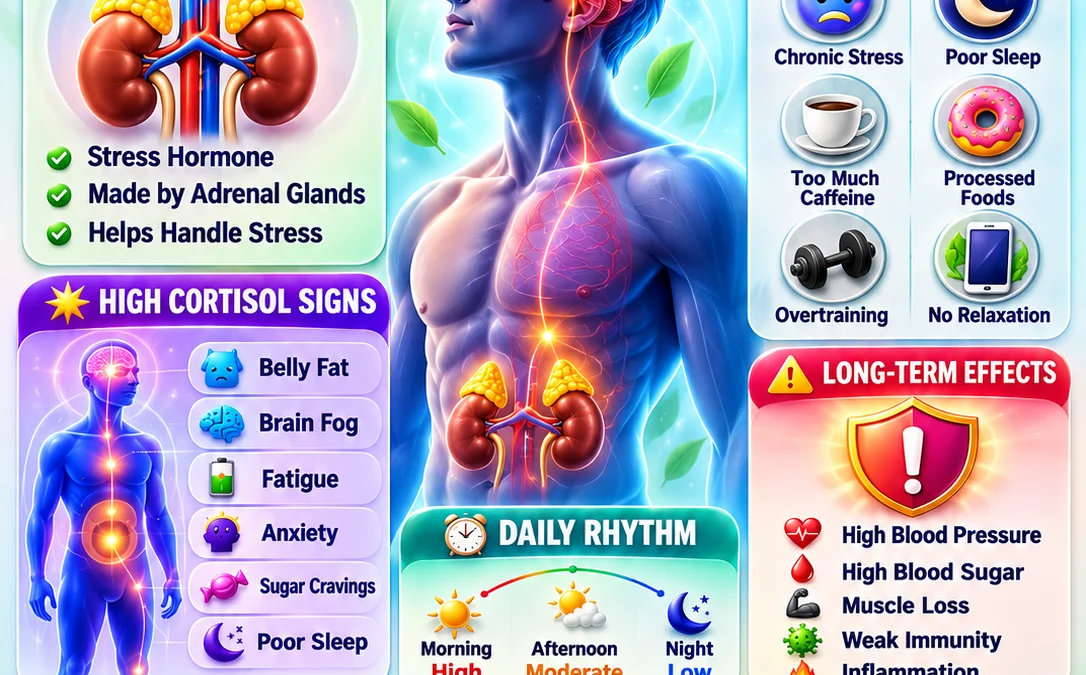
So, what is this cortisol thing? It’s a hormone that’s produced and released by your adrenal glands, which are those little powerhouses sitting right on top of your kidneys. Think of them as your body’s emergency response team. Cortisol is released whenever your brain senses that you’re under stress or when it figures out your body needs an extra energy boost to handle a situation.
Cortisol is a multitasker and plays several vital roles in your body. Here are some of its main jobs:
- 🌞 Regulating Energy Production: It helps make sure your body has the fuel it needs.
- 🩸 Controlling Blood Sugar Levels: Cortisol influences how your body uses glucose, ensuring you have energy available.
- 🛡️ Supporting the Immune System: It plays a role in managing your body’s immune responses.
- ❤️ Maintaining Blood Pressure: It helps keep your blood pressure within a healthy range.
- 🧠 Improving Short-Term Focus: During stressful moments, cortisol can sharpen your focus and alertness.
- 🔥 Helping Regulate Inflammation: It has anti-inflammatory properties, which can be beneficial in acute situations.
It’s really important to understand that cortisol itself isn’t the enemy! In fact, it’s an absolutely essential hormone that helps us survive and adapt to challenging circumstances. The real issue arises when cortisol levels stay high for extended periods – weeks, months, or even years – instead of returning to their normal, baseline levels after the stressful event has passed.
🌤️ Why Does Our Body Even Need Cortisol?
Picture this: you’re suddenly faced with a dangerous situation. What happens? Within seconds, your body kicks into high gear, thanks to hormones like cortisol. It’s like a natural defense mechanism designed to prepare you for ‘fight or flight’.
When cortisol levels are healthy and balanced, they help your body in numerous ways:
- 🌟 Wake Up in the Morning: Cortisol plays a key role in that natural wake-up process, helping you feel alert and ready to start your day.
- ⚡ Stay Mentally Alert: It enhances cognitive functions, helping you concentrate and react quickly.
- 💪 Respond to Physical Activity: Cortisol helps mobilize energy stores to fuel your muscles during exercise or any physical exertion.
- 🍽️ Regulate Metabolism: It’s involved in the breakdown of fats, proteins, and carbohydrates to provide energy.
- 🦠 Support Immune Responses: It helps modulate the immune system, preparing it to deal with potential threats.
- 🩺 Maintain Normal Bodily Functions: It’s integral to many other essential daily processes.
Honestly, without cortisol, many of our body’s critical systems would struggle to function properly, especially when faced with demands.
🌩️ What’s Causing All This High Cortisol? Common Culprits Revealed!
It’s often surprising how many of our everyday habits and lifestyle choices can unknowingly contribute to persistently high cortisol levels. Let’s break down some of the most common triggers:
🌪️ Chronic Stress: The Big One
This is probably the most well-known cause. When you’re constantly under emotional or psychological pressure – think relentless work demands, financial worries, difficult relationships, or ongoing family conflicts – your body’s stress response system stays activated. It’s like having the ‘on’ switch for cortisol permanently flipped.
😴 Poor Sleep: More Than Just Feeling Tired
Sleep is when your body gets to rest, repair, and reset. When you’re not getting enough quality sleep, or your sleep is frequently disrupted, it throws off cortisol’s natural daily rhythm. This imbalance can lead to elevated cortisol levels, even when you’re not actively experiencing a stressful event.
🏃 Overtraining: When Exercise Becomes Too Much
We all know exercise is fantastic for health, but like anything, too much of a good thing can be harmful. Engaging in excessive, high-intensity workouts without allowing your body adequate time to recover can actually put significant stress on your system, leading to increased cortisol production.
🍩 High-Sugar, Processed Foods: A Nutritional Pitfall
Your diet plays a massive role in hormone regulation. Regularly indulging in sugary snacks, refined carbohydrates, and heavily processed foods can contribute to hormonal imbalances, including elevated cortisol levels. These foods can cause rapid spikes and crashes in blood sugar, which signals stress to your body.
☕ Too Much Caffeine: The Jittery Effect
While a morning coffee can be a great pick-me-up, consuming large amounts of caffeine, especially later in the day, can act as a stimulant. This stimulation can trigger the release of cortisol, potentially interfering with your sleep and overall stress response.
📱 Lack of Relaxation: Always ‘On’
In our hyper-connected world, it’s easy to feel like you always need to be doing something. A schedule packed with back-to-back tasks and a lack of genuine downtime means your nervous system remains in a state of high alert. This constant activation prevents your body from entering a relaxed state, keeping cortisol levels elevated.
⏰ Let’s Talk Cortisol’s Daily Rhythm: The Natural Swing
Cortisol doesn’t just float around randomly; it follows a predictable daily cycle, known as the circadian rhythm. Understanding this natural ebb and flow is key to recognizing when things are out of balance.
- 🌅 Early Morning: The Peak! Your cortisol levels are naturally highest shortly after you wake up. This surge is crucial for helping you feel alert, energized, and ready to tackle the day. It’s like your body’s internal alarm clock.
- 🌞 Afternoon: Gradual Decline. As the day progresses, your cortisol levels begin to gradually decrease. You might start to feel a bit less buzzed and more settled.
- 🌙 Evening: Winding Down. Cortisol continues to fall as the evening approaches. This natural drop signals to your body that it’s time to relax and prepare for sleep.
- 🌑 Night: The Lowest Point. During deep, restorative sleep, your cortisol levels reach their absolute lowest point. This is essential for allowing your body and mind to fully recover.
The problem? When your sleep patterns are consistently disrupted – maybe due to late nights, stress, or other factors – this delicate rhythm gets thrown off. This makes it much harder to wake up feeling refreshed and can leave you feeling drained and exhausted throughout the day, even if you think you slept enough hours.
🚨 Are Your Cortisol Levels Too High? Spotting the Warning Signs
High cortisol often creeps up on you slowly, making its symptoms easy to dismiss or attribute to other things. But paying attention to these common warning signs can be your first clue that your stress hormone levels might be out of balance:
- 😴 Persistent Fatigue: Feeling constantly tired, even after a full night’s sleep, is a major red flag.
- 🌙 Difficulty Sleeping: Trouble falling asleep, staying asleep, or waking up frequently during the night.
- ⚖️ Increased Belly Fat: Especially a tendency to gain weight around your midsection, often referred to as ‘cortisol belly’.
- 🧠 Poor Concentration and Brain Fog: Difficulty focusing, remembering things, or feeling mentally sluggish.
- 😟 Anxiety or Irritability: Feeling more on edge, easily agitated, or experiencing heightened anxiety.
- 🍭 Frequent Sugar Cravings: A strong desire for sweets and high-carbohydrate foods.
- 🤕 Headaches: Frequent or persistent headaches.
- 💓 Elevated Blood Pressure: Consistently higher-than-normal blood pressure readings.
- 🤧 Frequent Illnesses: Getting sick more often, with colds or other infections, indicating a weakened immune system.
- 💪 Muscle Weakness: Feeling weaker than usual, particularly in your arms and legs.
- 🌫️ Brain Fog: A general feeling of mental cloudiness or lack of clarity.
- 😩 Feeling Overwhelmed: Experiencing a sense of being overwhelmed by daily tasks, even when you’ve had adequate rest.
It’s super important to remember that these symptoms can sometimes be linked to other health conditions. If you’re experiencing several of these signs and they’re persistent, it’s always a good idea to consult with a healthcare professional for a proper evaluation and diagnosis.
⚠️ The Ripple Effect: How High Cortisol Impacts Your Body
When cortisol stays elevated for extended periods, it’s not just a feeling; it can have tangible, negative effects on various systems throughout your body. It’s like a constant low-grade alarm system that eventually starts to wear things down:
❤️ Cardiovascular Health: A Strain on Your Heart
Chronically high cortisol levels can contribute to elevated blood pressure and an increased heart rate. Over time, this can put a significant strain on your cardiovascular system, raising your risk for heart-related issues.
🩸 Blood Sugar Regulation: The Insulin Challenge
Cortisol’s job is to release glucose into your bloodstream to provide immediate energy during stressful times. While useful in the short term, persistently high cortisol can make your body’s cells less responsive to insulin, the hormone that helps regulate blood sugar. This can lead to insulin resistance and an increased risk of developing type 2 diabetes.
🧠 Brain Function: The Cognitive Toll
The brain is particularly sensitive to cortisol. Prolonged exposure to high levels can negatively impact areas of the brain responsible for memory, learning, and emotional regulation. This can manifest as difficulty concentrating, impaired memory, mood swings, and poorer decision-making skills.
💪 Muscle Health: Breaking Down for Energy
In its effort to provide readily available energy, your body might start breaking down muscle tissue when cortisol levels are chronically high. This can lead to muscle weakness and loss of muscle mass over time.
⚖️ Weight Management: The Belly Fat Factor
One of the most commonly reported effects of high cortisol is an increase in abdominal fat. Cortisol can stimulate fat storage, particularly around the waistline, contributing to weight gain and making it harder to lose those stubborn pounds.
🛡️ Immune Function: A Double-Edged Sword
While cortisol has anti-inflammatory properties that can be helpful in acute stress, its long-term elevation can actually suppress the immune system. This makes you more vulnerable to infections and can hinder your body’s ability to fight off illness effectively.
🌿 Ready to Feel Better? Natural Ways to Lower Cortisol
The good news is that you have a lot of power to influence your cortisol levels through your daily choices! By implementing some healthy lifestyle habits, you can support your body in producing cortisol more appropriately and help it return to a balanced state. Let’s explore some effective strategies:
😴 Prioritize Quality Sleep: Your Body’s Reset Button
Aim for 7–9 hours of uninterrupted, high-quality sleep each night. This is non-negotiable for hormone regulation and overall recovery. Here are some tips to improve your sleep hygiene:
- 🌙 Maintain a Consistent Sleep Schedule: Go to bed and wake up around the same time every day, even on weekends. This reinforces your body’s natural circadian rhythm.
- 📵 Limit Screen Exposure Before Bed: The blue light emitted from phones, tablets, and computers can interfere with melatonin production, a hormone crucial for sleep. Try to power down devices at least an hour before bed.
- 🌡️ Create a Sleep Sanctuary: Keep your bedroom cool, dark, and quiet. Invest in blackout curtains or an eye mask if needed.
- ☕ Avoid Late-Day Caffeine and Heavy Meals: Steer clear of caffeine in the afternoon and evening, and avoid large meals close to bedtime.
🧘 Practice Mindful Stress Management: Calming the Storm Within
Learning to manage stress effectively is key. Relaxation techniques help activate your body’s parasympathetic nervous system, signaling it’s safe to relax and recover. Incorporate some of these into your routine:
- 🌬️ Deep Breathing Exercises: Simple, yet incredibly powerful. Inhale deeply through your nose, hold for a moment, and exhale slowly through your mouth.
- 🧘 Meditation: Even just 5-10 minutes of daily meditation can make a significant difference in reducing stress and promoting calm.
- 🙏 Mindfulness: Practice being present in the moment without judgment. This can be done during everyday activities like eating or walking.
- 📖 Journaling: Writing down your thoughts and feelings can be a great way to process stress and gain perspective.
- 🎵 Listening to Calming Music: Soothing sounds can have a profound effect on your nervous system.
Remember, even dedicating just ten minutes a day to a relaxation practice can have a positive impact on your stress levels and cortisol.
🚶 Stay Physically Active: Move Your Body Wisely
Regular, moderate exercise is fantastic for hormone balance. It helps your body use energy efficiently and can improve your stress response. Aim for a mix of activities:
- 🚶 Walking: A simple, accessible, and highly effective way to de-stress and get moving.
- 🚴 Cycling: Great for cardiovascular health and can be done outdoors for added benefits.
- 🏊 Swimming: A low-impact option that’s great for both body and mind.
- 🧘 Yoga: Combines physical movement, breathwork, and mindfulness, making it ideal for stress reduction.
- 🏋️ Resistance Training: Building muscle is important, but ensure you allow for adequate recovery between sessions.
The key is to find a balance. Avoid pushing yourself into overtraining, which can have the opposite effect and actually increase cortisol.
🥗 Eat a Nutrient-Dense, Balanced Diet: Fueling for Hormonal Harmony
What you eat directly impacts your hormones. Focus on whole, unprocessed foods that provide your body with the nutrients it needs to function optimally:
- 🥬 Load Up on Vegetables: Rich in vitamins, minerals, and antioxidants.
- 🍓 Enjoy Fruits: Provide natural sweetness and essential nutrients.
- 🥜 Include Nuts and Seeds: Offer healthy fats, protein, and fiber.
- 🐟 Choose Lean Proteins: Essential for building and repairing tissues.
- 🌾 Opt for Whole Grains: Provide sustained energy and fiber.
- 🥑 Incorporate Healthy Fats: Crucial for hormone production and overall health.
Try to limit your intake of refined sugars and ultra-processed foods as much as possible. These can cause blood sugar spikes and contribute to inflammation, both of which can affect cortisol levels.
💧 Stay Hydrated: The Simple, Yet Powerful Habit
Dehydration, even mild, can be a form of physical stress on your body. It can increase cortisol levels and impair cognitive function. Make it a point to drink water consistently throughout the day to support all your bodily functions, including hormone regulation.
🌳 Connect with Nature: The Grounding Effect
Spending time outdoors has been shown to reduce perceived stress and improve mood. Exposure to sunlight helps regulate your circadian rhythm, and simply being in natural environments can have a calming effect. Even a short daily walk in a park or a nearby green space can be incredibly beneficial.
🤝 Nurture Healthy Relationships: Your Social Support System
Strong social connections are a powerful buffer against stress. Spending quality time with supportive friends and family can help regulate your stress response and boost feelings of well-being and resilience. Make time for the people who uplift you.
😊 Make Time for Joyful Activities: Recharge Your Batteries
Don’t forget to schedule in activities that bring you pleasure and help you unwind! Whether it’s pursuing a hobby, listening to music, reading a book, gardening, or engaging in creative pursuits, these activities help interrupt chronic stress patterns and promote relaxation.
🌟 Stress Management: The Smarter Approach to Stress
Let’s be clear: completely eliminating stress from your life is an unrealistic goal. Life is full of challenges, big and small.
The real power lies in building effective stress management strategies. It’s about equipping your body and mind with the tools to recover and adapt after stressful experiences. Instead of aiming for a stress-free life, focus on creating a life where you can bounce back effectively. Consistently implementing these small, healthy daily habits can lead to significant improvements in your overall physical and mental health over time.
🌱 Final Thoughts: Embracing Balance for a Healthier You
Cortisol isn’t some nefarious villain; it’s actually one of your body’s most vital survival hormones. The real challenge arises when stress becomes chronic, and your body never gets the chance to fully recover. The secret to managing cortisol effectively lies in embracing a holistic approach to your health and well-being.
By consciously prioritizing quality sleep, nourishing your body with wholesome foods, engaging in appropriate exercise, actively practicing stress management techniques, ensuring you’re well-hydrated, and cultivating healthy daily routines, you are actively supporting balanced cortisol levels. This isn’t about quick fixes; it’s about cultivating sustainable lifestyle habits.
Focus on consistency, even with small changes. Over time, these consistent efforts will pay dividends, leading to improved energy, a brighter mood, better sleep quality, a more robust immune system, and enhanced overall resilience. You’ll be well on your way to living a healthier, more balanced, and more vibrant life!