Hey there! Ever feel like your body is trying to tell you something, but you’re just not sure what? That persistent fatigue, those annoying muscle cramps, or maybe even gums that seem to bleed a little too easily? These aren’t just random annoyances; they could be your body’s way of sending out an SOS about a potential vitamin or mineral deficiency. Think of vitamins and minerals as the unsung heroes working behind the scenes, keeping every single system in your body running smoothly. When these essential nutrients are in short supply, your body often throws up warning flags. We’re talking about everything from feeling constantly drained and getting sick more often than usual to more visible signs like hair loss, skin changes, or even vision issues. This guide is your complete toolkit for understanding these vital signals. We’ll dive deep into the common signs linked to deficiencies in key players like Vitamin B12, Vitamin D, Vitamin C, Vitamin A, Vitamin E, Vitamin K, Iron, Magnesium, and Zinc. You’ll get the lowdown on why each of these nutrients is so important, what specific symptoms to watch out for, what might be causing the deficiency in the first place, and, most importantly, practical, natural ways to boost your intake through smart eating and, when needed, professional guidance. Catching these signs early is a game-changer – it can help you sidestep long-term health headaches and keep your energy levels soaring, your immune system robust, your vision sharp, your skin glowing, and your entire body functioning at its peak. Let’s get started on tuning into your body’s needs!

Don’t Brush Off These Signals: Your Comprehensive Guide to Vitamin Deficiency Symptoms
Your body is incredibly smart, constantly sending you messages about its internal state. While it’s easy to dismiss a fleeting symptom, persistent changes like feeling perpetually tired, experiencing unexplained muscle weakness, noticing your gums bleeding more than they should, or catching every bug that goes around, can be more than just a bad day. These could be significant indicators that your body isn’t getting enough essential vitamins or minerals. These micronutrients are the workhorses behind thousands of crucial bodily functions – from your immune system’s defense mechanisms and your energy production pathways to the strength of your bones, the efficiency of your nerve signals, how well your blood clots, and the overall health of your skin. When the supply line for these vital nutrients gets disrupted, your body often starts sending out these noticeable warning signals long before any serious health issues might crop up. Understanding these signals is your first line of defense, empowering you to recognize potential deficiencies early on and seek proper medical evaluation, steering clear of the pitfalls of self-diagnosis.
Why Are Vitamins and Minerals So Darn Important for Your Health? 🥗
Let’s talk about the powerhouses of nutrition: vitamins and minerals. Even though our bodies only need them in tiny amounts (hence, ‘micronutrients’), their impact on our overall health is absolutely monumental. They’re the unsung heroes that help your body perform an astonishing array of functions:
- 🌿 Fueling Up: They’re essential for converting the food you eat into usable energy, keeping you going throughout the day.
- 💪 Building Blocks: They play a key role in maintaining strong muscles and robust bones, giving your body structure and support.
- 🧠 Brain Power: Crucial for optimal brain function and keeping your nervous system running like a well-oiled machine.
- 🛡️ Your Defense Force: They are fundamental to a strong and responsive immune system, helping you fight off infections.
- ❤️ Circulatory Health: They contribute to healthy blood circulation, ensuring oxygen and nutrients reach every corner of your body.
- 👁️ Vision Support: Certain vitamins are vital for maintaining good eyesight and preventing vision-related issues.
- ✨ Glow Up: Essential for keeping your skin looking healthy and your hair strong and vibrant.
- 🩸 Repair and Restore: They are involved in crucial processes like blood clotting and ensuring wounds heal efficiently.
Here’s the kicker: your body isn’t a vitamin factory. For many essential vitamins, it can’t produce them on its own, or at least not in sufficient quantities. This is precisely why getting them through a consistently balanced diet is so incredibly important. And, of course, if a deficiency is identified by a healthcare professional, supplements can be a valuable tool to help restore your levels.
Are You Lacking Vitamin B12? Signs to Watch For 🧠
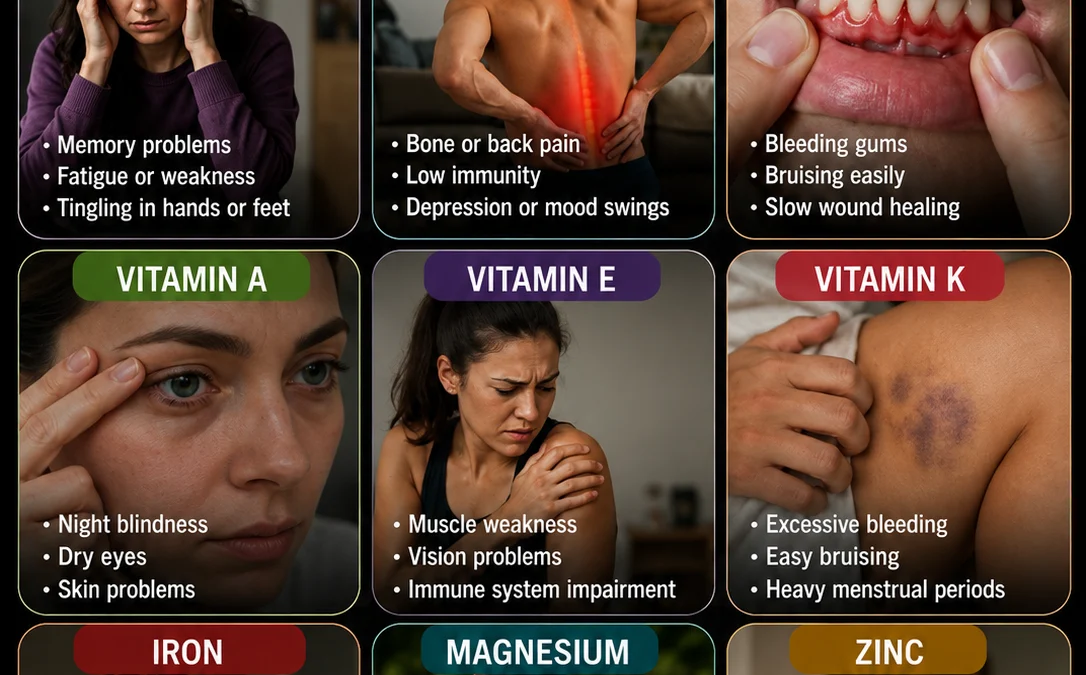
Vitamin B12 is an absolute superstar when it comes to keeping your body’s machinery running smoothly. It’s a key player in creating those vital red blood cells that carry oxygen all around your body, and it’s also indispensable for maintaining the health and proper function of your nervous system. Without enough B12, things can start to go awry.
Common Symptoms of B12 Deficiency:
- 🔹 Brain Fog: Noticeable memory problems or difficulty concentrating.
- 🔹 Perpetual Tiredness: Persistent, overwhelming fatigue that doesn’t seem to go away, no matter how much you rest.
- 🔹 Feeling Weak: General muscle weakness and a lack of physical stamina.
- 🔹 Pins and Needles: A strange tingling or numbness sensation, often felt in your hands and feet.
Why Might You Be Low on B12?
Several factors can contribute to a Vitamin B12 deficiency:
- Dietary Gaps: Not consuming enough B12-rich foods.
- Gut Issues: Digestive disorders like Crohn’s disease or celiac disease can impair absorption.
- Stomach Acid Woes: Reduced stomach acid production, which is common in older adults or those with certain conditions.
- Medication Side Effects: Some medications, particularly those for acid reflux, can interfere with B12 absorption.
- The Aging Factor: As we get older, our bodies may become less efficient at absorbing B12.
Boost Your B12 Intake with These Foods:
- 🥚 Eggs: A versatile and readily available source.
- 🥩 Lean Meats: Beef, lamb, and poultry are excellent choices.
- 🐟 Fish: Salmon, tuna, and cod are packed with B12.
- 🥛 Dairy Products: Milk, cheese, and yogurt offer a good dose.
- 🌾 Fortified Cereals: Many breakfast cereals are fortified with B12 – check the labels!
The Sunshine Vitamin: Understanding Vitamin D Deficiency ☀️
Vitamin D is often called the ‘sunshine vitamin’ for a reason, but its importance goes far beyond that! It’s absolutely critical for helping your body absorb calcium, which is the bedrock of strong bones. Beyond that, it plays a significant role in muscle function and is a key regulator of your immune system’s effectiveness. Low levels can leave you feeling vulnerable and achy.
Common Symptoms of Vitamin D Deficiency:
- 🔹 Achy Bones: Persistent bone pain, especially in the legs, ribs, or joints.
- 🔹 Back Discomfort: Chronic back pain can sometimes be linked to low Vitamin D.
- 🔹 Weakened Immunity: Finding yourself getting sick more frequently, especially with colds or the flu.
- 🔹 Mood Swings: Experiencing feelings of depression or noticeable changes in mood.
Who’s at Risk for Vitamin D Deficiency?
Several factors can increase your risk:
- Sunlight Avoidance: Limited exposure to direct sunlight, whether due to lifestyle, location, or consistent use of sunscreen.
- Skin Tone: Darker skin pigmentation contains more melanin, which reduces the skin’s ability to produce Vitamin D from sunlight.
- Weight Matters: Obesity can impact Vitamin D levels, as it can be sequestered in fat tissue.
- Getting Older: The skin’s ability to synthesize Vitamin D decreases with age.
- Dietary Shortfalls: Not consuming enough Vitamin D-rich foods.
Top Food Sources for Vitamin D:
- 🐟 Fatty Fish: Salmon, mackerel, and herring are nutritional powerhouses.
- 🥛 Fortified Milk & Juices: Many common beverages are fortified.
- 🥚 Egg Yolks: A simple and accessible source.
- 🍄 UV-Exposed Mushrooms: Some mushrooms treated with UV light can provide Vitamin D.
Remember, the most natural way to get Vitamin D is through regular, safe exposure to sunlight. Aim for short periods of midday sun on your skin a few times a week, if possible and safe for your skin type.
The Power of Vitamin C: What Happens When You Don’t Get Enough? 🍊
Vitamin C is a true multitasker in the body! It’s absolutely essential for the production of collagen, a protein that’s vital for skin health, wound healing, and maintaining the integrity of blood vessels. Plus, it’s a potent antioxidant and a crucial supporter of your immune system. When Vitamin C levels dip too low, your body’s repair and defense mechanisms can suffer.
Common Symptoms of Vitamin C Deficiency:
- 🔹 Gums That Bleed: Inflamed, swollen, or easily bleeding gums are a classic sign.
- 🔹 Easy Bruising: Noticing bruises appearing on your skin with little to no apparent cause.
- 🔹 Slow Healing: Cuts, scrapes, and other wounds taking an unusually long time to heal.
Delicious Ways to Get More Vitamin C:
- 🍊 Citrus Fruits: Oranges, grapefruits, lemons, and limes are bursting with Vitamin C.
- 🥝 Kiwi: This fuzzy fruit is a Vitamin C champion.
- 🍓 Strawberries: Sweet, delicious, and packed with this essential vitamin.
- 🌶️ Bell Peppers: Especially red and yellow varieties.
- 🥦 Broccoli: A cruciferous powerhouse that also offers Vitamin C.
In very severe and prolonged cases of Vitamin C deficiency, a condition known as scurvy can develop. While thankfully rare in many parts of the world today due to better nutrition awareness, it highlights the critical importance of this vitamin.
Are Your Eyes and Skin Suffering? It Could Be Vitamin A Deficiency 👁️
Vitamin A is a powerhouse nutrient that plays a starring role in several key areas of your health. It’s absolutely vital for maintaining good vision, particularly your ability to see in low light conditions. It also plays a crucial role in keeping your immune system strong and is involved in the repair and maintenance of your skin cells. If you’re falling short on Vitamin A, these functions can be compromised.
Common Symptoms of Vitamin A Deficiency:
- 🔹 Night Blindness: Difficulty seeing in dim light or at night is often one of the first noticeable signs.
- 🔹 Dry Eyes (Xerophthalmia): Eyes may feel gritty, dry, and uncomfortable, potentially leading to more severe eye issues if left unaddressed.
- 🔹 Skin Problems: Dry, rough, or scaly skin can sometimes be an indicator.
Vitamin A-Rich Food Choices:
- 🥕 Carrots: Famous for their beta-carotene content, which the body converts to Vitamin A.
- 🥬 Spinach and other Dark Leafy Greens: Excellent sources of beta-carotene.
- 🥭 Mangoes: A sweet tropical treat packed with Vitamin A.
- 🎃 Pumpkin and other Orange Squash: Rich in beta-carotene.
- 🥚 Eggs: Provide a good source of preformed Vitamin A.
It’s important to note that long-term, severe Vitamin A deficiency can significantly increase the risk of developing serious and potentially irreversible vision problems.
Protecting Your Cells: Understanding Vitamin E Deficiency 💪
Vitamin E is a potent antioxidant, meaning it’s like a bodyguard for your body’s cells. It works tirelessly to protect them from damage caused by unstable molecules called free radicals, which can contribute to aging and various chronic diseases. While true Vitamin E deficiency is relatively uncommon, it can occur in specific situations, and when it does, it can impact muscle and nerve function, as well as immunity.
Common Symptoms of Vitamin E Deficiency:
- 🔹 Muscle Weakness: Experiencing a noticeable decline in muscle strength or endurance.
- 🔹 Vision Issues: Some forms of vision impairment can be linked to low Vitamin E.
- 🔹 Reduced Immune Function: The body’s ability to fight off infections may be compromised.
Great Food Sources of Vitamin E:
- 🌰 Almonds: A handful a day can provide a good boost.
- 🥜 Sunflower Seeds: Another crunchy and convenient source.
- 🥑 Avocados: Delicious and packed with healthy fats and Vitamin E.
- 🌻 Vegetable Oils: Such as sunflower, safflower, and wheat germ oil.
Deficiency is most often seen in individuals with medical conditions that impair the body’s ability to absorb fats, as Vitamin E is a fat-soluble vitamin.
Keeping Your Blood Flowing: The Role of Vitamin K 🩸
Vitamin K is absolutely essential for a critical bodily function: blood clotting. When you get a cut, Vitamin K helps your blood to form clots, preventing excessive bleeding. It also plays an important role in bone health, helping to regulate calcium and integrate it into bone tissue. Without adequate Vitamin K, your body’s ability to stop bleeding can be seriously compromised.
Common Symptoms of Vitamin K Deficiency:
- 🔹 Easy Bruising: Your skin might show bruises more readily, even from minor bumps.
- 🔹 Excessive Bleeding: Cuts may bleed for longer than usual, and nosebleeds might become more frequent.
- 🔹 Heavy Menstrual Bleeding: Women may experience unusually heavy or prolonged menstrual periods.
Top Foods Rich in Vitamin K:
- 🥬 Kale: A leafy green champion for Vitamin K.
- 🥦 Broccoli: Another cruciferous vegetable that’s a great source.
- 🥗 Spinach: Packed with vitamins, including Vitamin K.
- 🥬 Cabbage: Both raw and cooked cabbage provide this nutrient.
Important Note: If you are taking blood-thinning medications like warfarin (Coumadin), it’s crucial to maintain a consistent intake of Vitamin K and *always* consult with your healthcare provider before making any significant changes to your diet or supplement regimen. Sudden changes can interfere with your medication’s effectiveness.
Feeling Drained? Could It Be Iron Deficiency? ❤️
Iron is a mineral that gets a lot of attention, and for good reason! Its primary job is to help your red blood cells transport oxygen efficiently from your lungs to all the tissues and organs in your body. When iron stores are low, your body literally doesn’t have enough ‘building material’ to create healthy red blood cells, leading to a cascade of fatigue-inducing symptoms.
Key Symptoms of Iron Deficiency:
- 🔹 Extreme Fatigue: This is often the most prominent and debilitating symptom. You feel utterly drained, even after resting.
- 🔹 Pale Skin: Reduced hemoglobin levels can make your skin, lips, and nail beds appear paler than usual.
- 🔹 Shortness of Breath: Your body struggles to deliver enough oxygen, leading to breathlessness, especially with exertion.
Other Tell-Tale Signs of Low Iron:
- 🔹 Dizziness or Lightheadedness: Often accompanied by headaches.
- 🔹 Cold Hands and Feet: Poor oxygen circulation can lead to extremities feeling cold.
- 🔹 Headaches: Frequent or persistent headaches can be a sign.
Fuel Your Body with Iron-Rich Foods:
- 🥩 Lean Red Meat: Beef and lamb are highly bioavailable sources of iron.
- 🫘 Lentils and Beans: Excellent plant-based sources of iron.
- 🥬 Spinach and other Dark Leafy Greens: While they contain iron, it’s less readily absorbed than from animal sources. Pairing with Vitamin C helps!
- 🦪 Shellfish: Oysters, clams, and mussels are packed with iron.
- 🍞 Iron-Fortified Cereals and Breads: A common way to boost intake.
Iron deficiency is incredibly common worldwide, making it a significant public health concern, particularly among women of childbearing age and young children.
Are You Feeling Tense? The Link to Magnesium Deficiency ⚡
Magnesium might not be a household name like some other vitamins, but it’s a true powerhouse mineral involved in over 300 enzymatic reactions in your body! It’s crucial for proper muscle and nerve function, helps regulate blood pressure, supports a healthy heart rhythm, and plays a role in energy production. When magnesium levels drop, you might start feeling it in your muscles and your mood.
Common Symptoms of Magnesium Deficiency:
- 🔹 Muscle Cramps and Spasms: Unwanted, often painful, muscle contractions.
- 🔹 Irregular Heartbeat: Palpitations or a feeling of skipped beats.
- 🔹 Anxiety and Irritability: Feeling more on edge, anxious, or easily agitated.
Best Food Sources for Magnesium:
- 🥜 Nuts: Almonds, cashews, and Brazil nuts are great choices.
- 🌱 Seeds: Pumpkin seeds, chia seeds, and flaxseeds are magnesium stars.
- 🥬 Leafy Greens: Spinach, kale, and Swiss chard are excellent sources.
- 🫘 Beans and Legumes: Black beans, edamame, and lentils provide a good dose.
- 🌾 Whole Grains: Oats, quinoa, and brown rice contribute to magnesium intake.
Chronic or severe magnesium deficiency can potentially contribute to more serious muscle and cardiovascular issues over time, underscoring its importance.
Boosting Your Defenses: Why Zinc Matters 🛡️
Zinc is another essential mineral that plays a vital role in a multitude of bodily functions. It’s a cornerstone of a healthy immune system, helping your body defend against pathogens. It’s also critical for wound healing, ensuring that cuts and injuries repair efficiently. Furthermore, zinc is necessary for normal growth and development, making it especially important for children and adolescents.
Common Signs of Zinc Deficiency:
- 🔹 Loss of Taste or Smell: Food might start tasting bland, or you might notice a reduced ability to detect smells.
- 🔹 Hair Loss: Unexplained thinning or increased shedding of hair.
- 🔹 Frequent Infections: A weakened immune system can lead to getting sick more often.
Zinc-Rich Foods to Include:
- 🦪 Oysters: One of the richest sources of dietary zinc.
- 🥩 Beef and other Red Meats: Good sources of bioavailable zinc.
- 🥜 Pumpkin Seeds: A convenient and tasty way to get your zinc.
- 🧀 Cheese: Many types of cheese contain zinc.
- 🫘 Legumes: Lentils, chickpeas, and beans offer plant-based zinc.
Beyond these common signs, zinc deficiency can also slow down the healing process for wounds and generally reduce your immune response, leaving you more vulnerable.
Unraveling the Mystery: What Causes These Vitamin Deficiencies? 🔍
It’s not always straightforward why someone might develop a vitamin or mineral deficiency. Often, it’s a combination of factors, and understanding the potential causes can help in prevention and treatment. Here are some of the most common culprits:
- 🌿 Dietary Habits: Simply put, not eating a balanced diet that includes a wide variety of nutrient-dense foods is a primary cause.
- 🌿 Restrictive Diets: Fad diets, very low-calorie diets, or diets that eliminate entire food groups (like vegan or vegetarian diets if not carefully planned) can lead to shortfalls.
- 🌿 Digestive Disorders: Conditions like Crohn’s disease, ulcerative colitis, celiac disease, or even chronic diarrhea can significantly impair your body’s ability to absorb nutrients from food.
- 🌿 Pregnancy and Breastfeeding: These periods dramatically increase the body’s nutritional demands, making deficiencies more likely if intake isn’t increased accordingly.
- 🌿 Aging: As mentioned, the aging process can affect nutrient absorption and sometimes reduce appetite.
- 🌿 Chronic Illnesses: Long-term health conditions, particularly those affecting the gut or involving inflammation, can increase nutrient needs or hinder absorption.
- 🌿 Certain Medications: Some drugs, including proton pump inhibitors (for acid reflux), metformin (for diabetes), and certain diuretics, can interfere with nutrient absorption or increase excretion.
- 🌿 Alcohol Misuse: Chronic and excessive alcohol consumption can interfere with the absorption and metabolism of many essential vitamins and minerals.
- 🌿 Increased Nutritional Needs: Certain life stages or conditions (like intense athletic training or recovery from surgery) simply require more of certain nutrients.
The key takeaway here is that diagnosing the exact cause often requires a professional touch. A healthcare provider can use your medical history, a physical exam, and specific lab tests to pinpoint the reason behind your deficiency.
When to Hit the Pause Button and See a Doctor 🩺
It’s super important to remember that many symptoms we’ve discussed can overlap with other health issues. Fatigue, for instance, can be a sign of a vitamin deficiency, but it can also indicate thyroid problems, anemia (which isn’t always just iron-related!), sleep apnea, or even just chronic stress. That’s why self-diagnosing can be misleading and potentially delay proper treatment.
You should definitely make an appointment with your doctor if you experience any of the following persistent symptoms:
- 💙 Unrelenting Fatigue: Feeling exhausted for several weeks without a clear reason.
- 💙 Mysterious Numbness or Tingling: Persistent pins-and-needles sensations, especially in your extremities.
- 💙 Frequent Flyers (Infections): Catching colds, flu, or other infections much more often than usual.
- 💙 Stubborn Muscle Cramps: Continuous or recurring muscle cramps or spasms.
- 💙 Unusual Bleeding: Experiencing heavy bleeding from minor cuts, frequent nosebleeds, or unusually heavy menstrual periods.
- 💙 Vision Disturbances: Any noticeable changes in your eyesight, especially night vision.
- 💙 Profound Weakness: A significant and unexplained loss of strength.
- 💙 Unexplained Bruising: Developing bruises frequently without a significant injury.
In many cases, a simple blood test is the most reliable and accurate way for your doctor to determine if a specific vitamin or mineral deficiency is present and to what extent.
Your Action Plan: Simple Tips to Prevent Vitamin Deficiencies 🥗
The absolute best strategy for preventing vitamin and mineral deficiencies is to build a strong foundation of balanced nutrition. It’s not about perfection, but about consistency and variety. Here are some practical tips to keep your nutrient levels in check:
- 🌱 Eat the Rainbow: Fill your plate with a wide variety of colorful fruits and vegetables. Different colors often signify different beneficial nutrients.
- 🥩 Prioritize Quality Protein: Include lean meats, poultry, fish, eggs, dairy, legumes, nuts, and seeds in your diet.
- 🥛 Don’t Forget Calcium: Consume calcium-rich foods like dairy products, leafy greens, and fortified plant milks, especially important for bone health.
- 🌾 Choose Whole Grains: Opt for whole wheat bread, brown rice, oats, and quinoa over refined grains whenever possible. They offer more fiber and nutrients.
- 🐟 Embrace Healthy Fats: Include sources of omega-3 fatty acids like fatty fish, flaxseeds, and walnuts, and use healthy oils like olive oil.
- 💧 Stay Hydrated: Drinking enough water is essential for overall bodily functions, including nutrient absorption.
- ☀️ Safe Sun Exposure: Spend sensible amounts of time outdoors to allow your body to produce Vitamin D naturally. Remember sun safety practices!
- 💊 Supplements Wisely: Only consider taking vitamin or mineral supplements *after* consulting with a healthcare professional. They can help if a deficiency is confirmed or if your dietary intake is consistently inadequate for specific needs. Self-prescribing supplements can sometimes be ineffective or even harmful.
A Crucial Disclaimer: Symptoms Aren’t a Diagnosis ⚠️
While health infographics and lists like this one are fantastic tools for raising awareness about potential health issues, it’s absolutely critical to understand that the symptoms described are not a substitute for a professional medical diagnosis. Many different health conditions can mimic the signs of vitamin deficiencies. Think about thyroid disorders, various types of infections, autoimmune diseases, different forms of anemia, diabetes, or even the side effects of medications you might be taking. All of these can present with similar symptoms like fatigue, skin changes, or digestive upset.
The only way to get an accurate diagnosis is by consulting with a qualified healthcare professional. They will consider your personal medical history, conduct a thorough physical examination, and order the appropriate laboratory tests (like blood work) to confirm or rule out a deficiency and identify the underlying cause.
Your Body’s Signals Matter: Final Thoughts ✅
Paying attention to the subtle (and not-so-subtle) signals your body sends is a powerful act of self-care. Recognizing the potential warning signs of vitamin and mineral deficiencies is the first step toward taking timely action, preventing minor issues from escalating into more significant health concerns. That persistent fatigue, those bleeding gums, the nagging muscle cramps, unexplained bruising, changes in your vision, hair loss, or a susceptibility to infections – these are all signals worth discussing with your doctor, especially if they linger or worsen.
The cornerstone of good health remains a well-balanced diet. Focus on filling your meals with a vibrant array of fruits, vegetables, whole grains, lean proteins, and healthy fats. When a deficiency is confirmed by a healthcare provider, targeted dietary adjustments or a medically supervised supplementation plan can safely and effectively help restore your nutrient levels, leading to improved energy, better mood, and overall enhanced well-being.
So, listen closely to your body, make preventive healthcare a priority, and don’t hesitate to seek professional advice when symptoms persist. Early detection and appropriate management can truly make a world of difference in maintaining your long-term health and enjoying a higher quality of life.