Feeling the heat and struggling to stay comfortable indoors? You’re not alone! As temperatures climb, many of us look to air conditioning for relief. But what if you could cool your room naturally, save money on electricity, and be kinder to the planet? This guide is packed with 10 ingenious, energy-saving strategies to chill your space without relying solely on that power-hungry AC unit. We’ll dive into everything from mastering your curtains and harnessing nighttime breezes to choosing cooling fabrics, incorporating lush indoor plants, and staying hydrated. Get ready to transform your living space into a refreshing sanctuary, even on the hottest days. Learn how simple, smart adjustments can significantly boost your comfort, improve your sleep, and keep your energy bills in check. Perfect for apartment dwellers, homeowners, and anyone seeking sustainable comfort and smarter living solutions!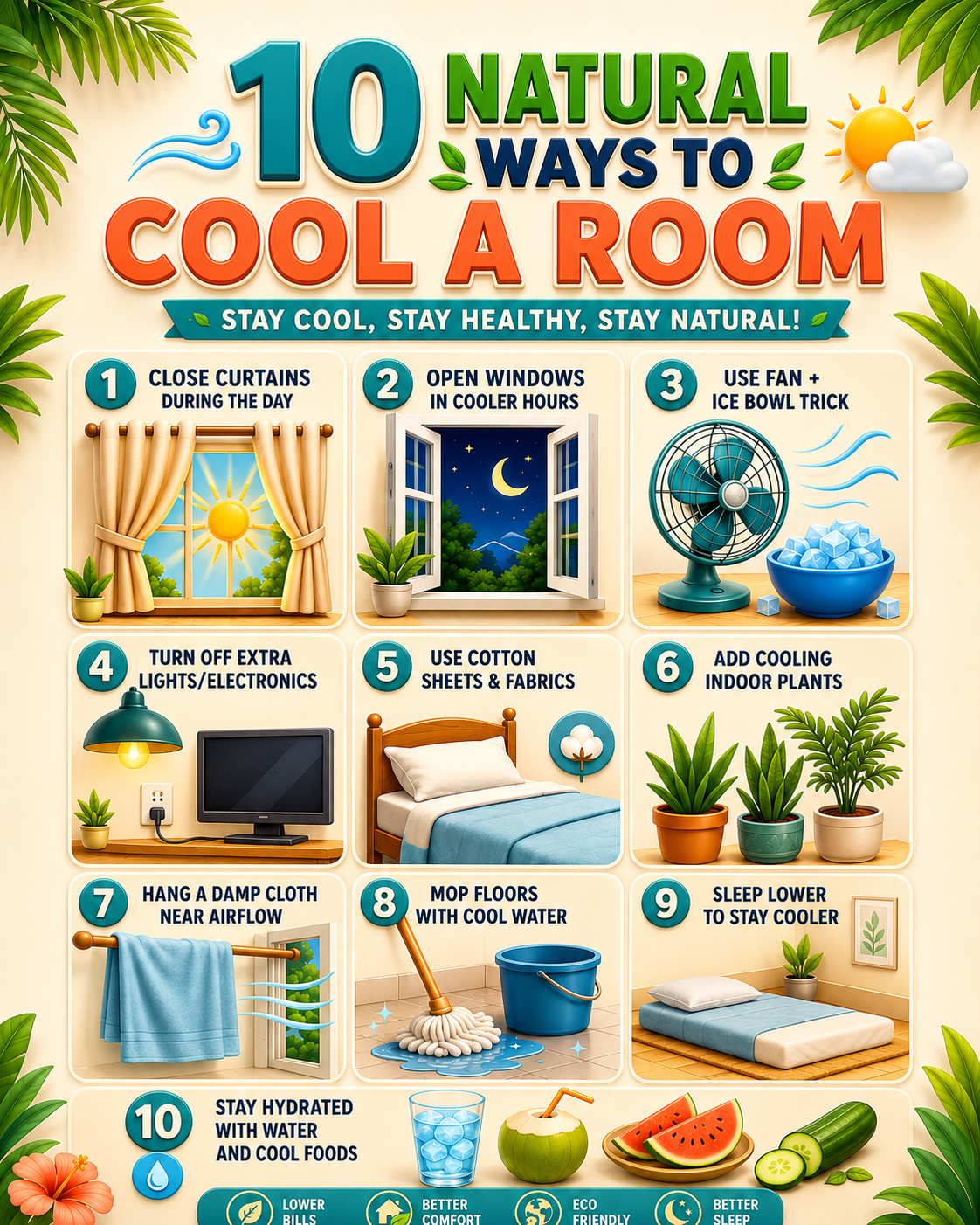
Why Embracing Natural Cooling is a Smart Move Right Now
In today’s world, with rising global temperatures, ever-increasing electricity bills, and a growing awareness of our environmental footprint, exploring natural cooling methods for our homes isn’t just a trend – it’s becoming a necessity. While air conditioners provide that instant blast of cool air we often crave, they come with a hefty price tag, both for our wallets and for the planet. They’re notorious energy guzzlers and can significantly contribute to carbon emissions. This is precisely why smart, natural cooling techniques are gaining so much traction. They offer a sustainable, budget-friendly, and surprisingly effective way to maintain a comfortable indoor environment. By focusing on smart airflow management, strategic heat reduction, moisture control, and simple, eco-friendly adjustments to our living spaces, we can create a cooler, healthier, and more pleasant atmosphere. These methods not only enhance our comfort but also contribute to better sleep quality, improved focus and productivity, and overall well-being. Forget the stress of soaring energy consumption; it’s time to unlock the secrets to a naturally cooler home throughout the hottest months of the year. Let’s dive into 10 practical, easy-to-implement strategies that will help you beat the heat without breaking the bank or harming the environment.
🌞 1. Master Your Curtains: Block Heat Before It Even Enters
The Power of Strategic Shading
Think about it: the sun is a massive heat source. When its rays beam directly through your windows, they’re essentially turning your room into a mini greenhouse. This solar heat gain is one of the primary culprits behind that stuffy, uncomfortable indoor temperature, especially during those long afternoon hours. But here’s the good news – you have a powerful, simple defense: your curtains and blinds! By strategically managing your window coverings, you can significantly reduce the amount of heat that penetrates your home. Don’t underestimate this simple step; it’s a foundational element of natural cooling.
Pro Tips for Maximum Heat Blocking
- Keep ‘Em Closed During Peak Sun: This is non-negotiable. During the hottest parts of the day, ensure your curtains or blinds are fully drawn. Pay special attention to windows that receive direct sunlight.
- Invest in Smart Window Coverings: Blackout curtains are fantastic for blocking light and heat. Thermal curtains offer an extra layer of insulation. Even light-colored, reflective blinds can make a huge difference by bouncing sunlight away.
- Light Colors Reflect, Dark Colors Absorb: Opt for lighter shades for your curtains or blinds, especially on the side facing the window. White, beige, or pastels are excellent choices for reflecting solar heat.
- Target West-Facing Windows: In many regions, the afternoon sun, particularly from the west, is the most intense. Prioritize closing curtains on these windows for the biggest impact.
The Science Behind the Shade
When you block direct sunlight, you prevent surfaces inside your room – like your furniture, walls, and even the floor – from absorbing that intense solar energy. These surfaces would otherwise store the heat and then slowly radiate it back into the room for hours, keeping you warm long after the sun has moved on. By simply closing your curtains, you’re stopping this heat absorption process at the source, keeping your interior significantly cooler.
🌙 2. Embrace the Night Air: Harness Natural Ventilation Wisely
Let Nature Do the Cooling Work
While you want to keep the heat out during the day, the flip side is letting the cool air in when it’s available. Often, the air outside is significantly cooler in the early morning and late evening hours than the air trapped inside your home. By strategically opening your windows during these cooler periods, you create a natural ventilation system that allows the hot air that’s built up inside to escape and be replaced by refreshing, cooler outdoor air. This simple act can dramatically improve your indoor comfort without costing you a dime in electricity.
Mastering the Art of Airflow
- Create a Breeze with Cross-Ventilation: The most effective way to ventilate is to open windows on opposite sides of your home or room. This creates a natural airflow path, pushing stale air out and pulling fresh air in.
- Strategic Window Placement: If you can’t create a direct cross-breeze, open windows to take advantage of prevailing winds. Even opening one window can help, especially when combined with other methods.
- Timing is Everything: The key is to open windows when the outside air is cooler than the inside air. This typically means the early morning hours (think dawn) and after sunset. Crucially, remember to close them again before the outdoor temperature starts to rise, trapping that cooler air inside.
- Amplify with Fans: For an extra boost, use ceiling fans or portable fans to help circulate the cooler air more effectively throughout your space. Place a fan near an open window to draw cool air in, or in a central location to help move it around.
When to Open Up
- The Golden Hour: That magical time just after sunrise when the air is crisp and cool.
- Twilight Refreshment: As the sun sets and the temperature begins to drop.
- Overnight Oasis: If it’s safe and comfortable, leaving windows open overnight can significantly cool down your home’s structure and air.
Harnessing this natural airflow is one of the most effective and energy-efficient ways to combat indoor heat. It’s a fundamental principle of passive cooling that works wonders.
🧊 3. The Fan and Ice Bowl Hack: Your DIY Air Cooler
Instant Cool Air on Demand
Need a quick cool-down boost on a sweltering afternoon? This classic DIY trick is surprisingly effective! By placing a bowl filled with ice cubes or frozen water bottles directly in front of a running fan, you can create a localized cooling effect that mimics a basic evaporative cooler. As the fan blows across the ice, it cools the air, sending a refreshing, chilled breeze into your room. It’s an affordable, easy-to-set-up solution for immediate relief.
How to Create Your Cool Breeze
- Gather Your Ice: Fill a large bowl, basin, or even a cooler with plenty of ice cubes. Alternatively, use frozen water bottles – they last longer and prevent messy drips as they melt.
- Position for Impact: Place the ice-filled bowl directly in the path of your fan’s airflow. The closer it is, the more effective the cooling will be.
- Fan Power: Turn on your fan and let it circulate the chilled air around your room. You’ll feel the temperature drop noticeably in the immediate vicinity.
Why This Hack Rocks
- Budget-Friendly: Uses items you likely already have.
- Quick Relief: Perfect for those times when the heat becomes unbearable.
- Simple Setup: No complicated instructions or installations needed.
- Portable: Move it to wherever you need a cool spot the most.
While this method provides temporary relief and works best in smaller spaces or for personal cooling, it’s an incredibly handy trick to have up your sleeve during heatwaves. It’s a testament to how simple physics can help you stay comfortable.
💡 4. Power Down: Eliminate Unnecessary Heat Sources
The Hidden Heat Generators in Your Home
Did you know that many of the electronic devices we use every day are silently contributing to the heat in your room? From your TV and computer to gaming consoles, phone chargers plugged into the wall, and even certain types of lighting, these gadgets generate heat as a byproduct of their operation. While a single device might not make a huge difference, the cumulative effect of multiple electronics running simultaneously can significantly warm up your living space. Reducing these unnecessary heat sources is a crucial step in natural cooling and offers a fantastic bonus: lower electricity bills!
Identify and Reduce Heat Culprits
- Swap Out Old Bulbs: Incandescent light bulbs are notorious heat producers. Switch to energy-efficient LED bulbs, which emit far less heat (and use much less electricity!).
- Unplug the Unused: Chargers, even when not actively charging a device, can still draw power and generate a small amount of heat. Unplug chargers when they’re not in use.
- Power Down Idle Electronics: Turn off computers, monitors, gaming consoles, and other electronics when you’re not actively using them. Don’t just put them in sleep mode if you won’t need them for a while.
- Dim the Entertainment: Large home entertainment systems, multiple speakers, and TVs can all add to the heat load. Be mindful of how long they’re running.
- Be Appliance Aware: Appliances like routers, modems, and even some smart home devices can generate consistent heat. Ensure they have adequate ventilation.
The Energy-Saving Double Whammy
By consciously reducing your reliance on heat-generating electronics and switching to more efficient lighting options like LEDs, you’re achieving a dual benefit. You’re actively lowering the ambient temperature in your room, making it more comfortable, and simultaneously cutting down on your energy consumption, which directly translates to savings on your monthly utility bills. It’s a win-win for your comfort and your budget.
🛏️ 5. Sleep Cool: Choose Breathable Fabrics for Bedding and Sleepwear
The Importance of Material Choice for Sleep Comfort
When the temperatures soar, your bedding and sleepwear can make or break your ability to get a good night’s rest. Heavy, synthetic fabrics tend to trap body heat, creating a stuffy, uncomfortable microclimate that leads to tossing and turning, sweating, and interrupted sleep. The solution? Opt for natural, breathable materials that allow air to circulate freely and wick away moisture. Cotton and linen are your best friends during hot weather, helping your body regulate its temperature more effectively.
Your Guide to Cooling Fabrics
- Cotton Bed Sheets: Look for 100% cotton sheets, especially those with a percale weave, which is known for its crisp, cool feel and breathability. Lighter thread counts (around 200-400) are often more breathable than very high thread counts.
- Linen Pillowcases: Linen is incredibly breathable, gets softer with every wash, and has a natural cooling property that makes it perfect for pillowcases.
- Lightweight Blankets or Throws: Ditch the heavy duvets. Opt for a thin cotton blanket, a light quilt, or even just a breathable throw.
- Breathable Sleepwear: Choose loose-fitting pajamas made from cotton, linen, or bamboo. Avoid synthetic materials like polyester, which can trap heat and moisture.
The Benefits for a Restful Night
Making the switch to natural, breathable fabrics offers several advantages for your sleep quality:
- Enhanced Airflow: Allows air to move freely around your body, preventing heat buildup.
- Moisture Wicking: Helps to draw sweat away from your skin, keeping you drier and more comfortable.
- Increased Comfort: The natural feel of these fabrics is often more pleasant against the skin, especially when warm.
- Temperature Regulation: Assists your body in maintaining a cooler core temperature, which is crucial for deep, restorative sleep.
This seemingly small change in your bedroom can have a significant positive impact on how well you sleep and how refreshed you feel each morning. It’s a simple yet powerful strategy for staying cool.
🪴 6. Greenify Your Space: Introduce Cooling Indoor Plants
Nature’s Air Conditioners and Humidifiers
Indoor plants are more than just beautiful decor; they can actively contribute to a cooler and fresher indoor environment. Through a process called transpiration, plants release water vapor into the air. This not only adds a touch of humidity (which can be beneficial in dry climates) but also has a slight cooling effect on the surrounding air, much like natural air conditioners. Furthermore, plants help improve overall air quality by filtering out common indoor pollutants, making your space feel cleaner and more revitalized.
Top Picks for Cooling Greenery
- Snake Plant (Sansevieria): Hardy and low-maintenance, it’s excellent at filtering air and releases oxygen at night.
- Aloe Vera: Known for its medicinal properties, it also purifies the air and adds moisture.
- Areca Palm: A fantastic humidifier and air purifier, it thrives in bright, indirect light.
- Peace Lily: Its elegant white blooms and lush foliage help combat toxins and release moisture.
- Boston Fern: A classic choice for humidifying the air and adding a touch of lushness.
Beyond Cooling: Added Perks
Incorporating indoor plants into your home offers a host of benefits:
- Boost Aesthetics: They add natural beauty, color, and life to any room.
- Purify the Air: Help remove common indoor air pollutants like formaldehyde and benzene.
- Reduce Stress: Studies have shown that having plants nearby can lower stress levels and improve mood.
- Enhance Room Freshness: Contribute to a general feeling of a more pleasant and invigorating atmosphere.
To maximize their cooling potential, strategically place plants near windows where they can benefit from sunlight (but avoid scorching direct sun for most) and areas where airflow is encouraged. Their gentle, natural cooling effect adds another layer to your overall strategy for a comfortable indoor climate.
💧 7. The Damp Cloth Trick: Harnessing Evaporative Cooling
A Simple Yet Effective Cooling Method
Evaporation is a natural process that consumes heat, thereby cooling its surroundings. You can harness this principle with a simple, low-tech method: hanging a damp cloth near an airflow source. Whether it’s placed in front of an open window or strategically positioned near a fan, the evaporating moisture from the cloth will absorb heat from the air, releasing cooler, slightly more humid air into your room. It’s a subtle but effective way to lower the temperature.
Setting Up Your Evaporative Cooler
- Choose Your Material: A clean towel, a thin bedsheet, or even a large handkerchief works well.
- Dampen, Don’t Drench: Wring out the cloth so it’s damp but not dripping excessively. You want evaporation to occur, not just water to run down.
- Position for Airflow: Hang the damp cloth where air can easily pass over it. This could be in front of an open window (especially if there’s a slight breeze) or directly in front of a portable fan.
- Re-wet as Needed: As the cloth dries out, the cooling effect will diminish. Simply re-dampen it to keep the process going.
A Note on Humidity
While this method adds a bit of moisture to the air, which can be beneficial in very dry climates, be mindful of excessive humidity in already damp environments. The goal is gentle evaporation, not to make the room feel muggy. Avoid over-saturating the cloth.
This technique is particularly effective in drier climates where the evaporation rate is higher. It’s a fantastic, low-cost way to get a noticeable cooling effect without any special equipment.
🧹 8. Cool Down Surfaces: Mop Your Floors with Cool Water
Reducing Residual Heat
Floors, especially hard surfaces like tile, laminate, or concrete, absorb a significant amount of heat throughout the day from sunlight and ambient air temperature. Once heated, these surfaces act like thermal batteries, slowly releasing that stored heat back into the room for hours, contributing to that persistent stuffy feeling. Mopping your floors with cool water is a simple yet effective way to counteract this. It draws heat out of the floor surface, providing an immediate cooling sensation and creating a fresher, more comfortable atmosphere.
When to Mop for Maximum Cooling
- Evening Refreshment: Mopping in the evening, after the peak heat of the day has passed, can help cool down the floors before you settle in for the night.
- Before Bedtime: A cool floor can make a noticeable difference in your comfort level as you prepare to sleep.
- During Peak Heat Hours: If you’re feeling particularly warm, a quick mop can offer immediate, albeit temporary, relief by cooling the most dominant surfaces in the room.
The Cooling Benefits
- Immediate Cooling Sensation: Stepping onto a newly mopped cool floor feels instantly refreshing.
- Reduces Dust and Allergens: Mopping helps to capture and remove dust, pet dander, and other airborne particles, improving indoor air quality.
- Fresher Indoor Environment: The cool, damp air created during the process can make the entire room feel cleaner and more pleasant.
- Enhanced Comfort: Particularly noticeable on tiled or stone floors, which tend to retain heat the most.
This method is especially beneficial in regions with a lot of hard flooring and during hot, humid weather. It’s a practical way to lower the overall temperature of your living space from the ground up.
🛌 9. Sleep Smart: Position Yourself Lower to Stay Cooler
Leveraging Natural Air Layering
It’s a basic principle of physics: hot air rises, and cooler air sinks. This natural temperature stratification occurs within any room. During hot weather, the air near the ceiling will be significantly warmer than the air closer to the floor. By positioning your sleeping area lower to the ground, you can take advantage of this cooler air layer, leading to a more comfortable night’s sleep. This is particularly relevant for bedrooms that might feel warmer than other parts of the house.
Simple Strategies for Lower Sleeping
- Low-Profile Bed Frames: Opt for platform beds or bed frames that sit very close to the floor.
- Floor Mattresses: Consider placing your mattress directly on the floor, perhaps on a rug for comfort.
- Avoid Elevated Areas: If you have a loft bedroom or a sleeping loft, try to avoid using it during extreme heatwaves, as it will naturally be the warmest spot.
- Bunk Beds: The lower bunk on a bunk bed will generally be cooler than the upper bunk.
Why This Technique Works
By sleeping closer to the ground, you’re essentially positioning yourself in the coolest part of the room’s air. This can significantly improve your comfort levels during hot nights, helping you fall asleep faster and stay asleep longer. It’s a simple yet effective way to work with your environment rather than against it, especially during those difficult summer nights.
🥒 10. Hydrate and Cool from Within: Water and Cooling Foods
Your Body’s Internal Thermostat
While we’re focusing on cooling your room, it’s crucial to remember that your body’s internal temperature regulation is paramount during hot weather. Staying properly hydrated is one of the most effective ways to keep yourself cool. When you’re well-hydrated, your body can efficiently sweat, which is its primary cooling mechanism. Additionally, consuming certain foods can help cool you down from the inside out.
Foods That Help You Chill
- Watermelon: Composed of over 90% water, it’s incredibly hydrating and refreshing.
- Cucumber: Another high-water-content vegetable that has a naturally cooling effect.
- Coconut Water: Excellent for hydration and replenishing electrolytes lost through sweat.
- Citrus Fruits: Oranges, lemons, and limes are hydrating and contain electrolytes.
- Berries: Rich in antioxidants and water, they make a great cooling snack.
- Yogurt and Dairy Alternatives: Can help cool the body, especially when consumed chilled.
Smart Hydration Habits
- Sip Consistently: Don’t wait until you’re thirsty. Drink water regularly throughout the day.
- Limit Dehydrating Beverages: Reduce intake of caffeine and alcohol, as they can contribute to dehydration.
- Electrolyte Balance: If you’re sweating heavily, consider electrolyte-rich drinks or adding a pinch of salt and a squeeze of lemon to your water.
- Eat Your Water: Incorporate water-rich fruits and vegetables into your diet.
Proper hydration is not just about comfort; it’s essential for preventing heat-related illnesses like heat exhaustion and heatstroke. It also plays a vital role in maintaining your energy levels and cognitive function throughout the day.
🌿 Bonus Tips for an Even Cooler Haven
Optimize Air Circulation
- Rearrange Furniture: Ensure that large pieces of furniture aren’t blocking natural airflow pathways or vents.
- Ceiling Fan Direction: Make sure your ceiling fan is spinning counterclockwise during the summer months. This pushes air downwards, creating a cooling breeze effect.
- Keep Interior Doors Open: Allow air to flow freely between rooms, especially if you’re ventilating from multiple windows.
Minimize Heat-Generating Activities
Be mindful of activities that significantly increase indoor heat:
- Avoid Cooking During Peak Heat: Opt for cooler meals or cook during the cooler morning or evening hours.
- Limit Oven Use: Ovens generate a lot of heat. Consider using a microwave, slow cooker, or grilling outdoors instead.
- Run Appliances Wisely: Avoid using heat-producing appliances like clothes dryers during the hottest part of the day.
Boost Your Window Defenses
Consider more permanent solutions for heat reduction:
- Reflective Window Films: These films can be applied directly to windows to reflect solar heat away.
- Bamboo or Natural Fiber Shades: These can offer good insulation and light-blocking properties.
- Exterior Awnings: Installing awnings over windows, especially south and west-facing ones, can significantly block direct sunlight before it even hits the glass.
Remember, small, consistent adjustments to your home’s environment can lead to substantial improvements in overall comfort and coolness over time.
🌎 The Big Wins: Why Natural Room Cooling is Worth It
Adopting these natural cooling strategies isn’t just about surviving the heat; it’s about thriving in a more comfortable, sustainable, and economical way. The benefits extend far beyond just a cooler room:
Slash Your Electricity Bills
By reducing your reliance on energy-intensive air conditioning units, you’ll see a noticeable decrease in your monthly utility expenses. This is often the most immediate and appreciated benefit.
Embrace a Greener Lifestyle
Lowering your energy consumption directly contributes to a smaller carbon footprint. Natural cooling methods are inherently more sustainable, aligning with eco-friendly living principles.
Cultivate a Healthier Indoor Environment
Improved airflow, reduced heat buildup, and the potential for better air quality (thanks to plants!) create a more pleasant and healthy living space. This can lead to fewer respiratory issues and a greater sense of well-being.
Enhance Sleep and Boost Productivity
A cooler room environment is conducive to better sleep quality. When you sleep better, you’re more rested, focused, and productive during the day. Reduced heat stress also improves mood and cognitive function.
Final Thoughts: Stay Cool, Stay Smart, Stay Sustainable
Keeping your room cool and comfortable during hot weather doesn’t have to mean installing expensive air conditioning systems or enduring sky-high energy bills. By integrating these 10 smart, natural cooling strategies into your daily routine, you can create a significantly more pleasant and refreshing indoor environment. Simple yet powerful actions—like closing curtains during the day, strategically opening windows at night, reducing indoor heat sources, choosing breathable fabrics, and staying hydrated—can make a world of difference.
These methods are not only cost-effective and environmentally friendly but also incredibly practical for any living situation, whether you’re in a cozy apartment, a spacious house, or a small home office. Embracing natural cooling is an investment in your comfort, your health, and your wallet. A cooler room translates directly to better sleep, increased focus, improved mood, and overall enhanced well-being. So, this summer, beat the heat the smart, natural way and enjoy a more comfortable, sustainable living experience!