Turning 65 is a major milestone, and with it comes a whole new landscape of healthcare decisions. It can feel a bit daunting, right? You might be wondering if those standard medical guidelines really apply to you, or if you’re getting the most bang for your buck when it comes to preventive care. It’s a common concern: many older adults worry about undergoing unnecessary procedures or, conversely, missing out on crucial early detection that could make all the difference. 🩺🏥
The good news is, you have the power to take charge of your health! Understanding which cancer screenings truly offer benefits, what your Medicare plan covers, and when a particular test might be doing more harm than good is key. It’s all about making informed choices that are right for *your* unique body and lifestyle. 💡
When you’re equipped with accurate, personalized information, those annual wellness visits with your doctor transform into productive, empowering conversations. You can discuss your specific concerns, family history, and lifestyle, leading to a screening plan that’s tailored just for you. 💬
What Cancer Screenings Matter Most for Seniors Over 65?
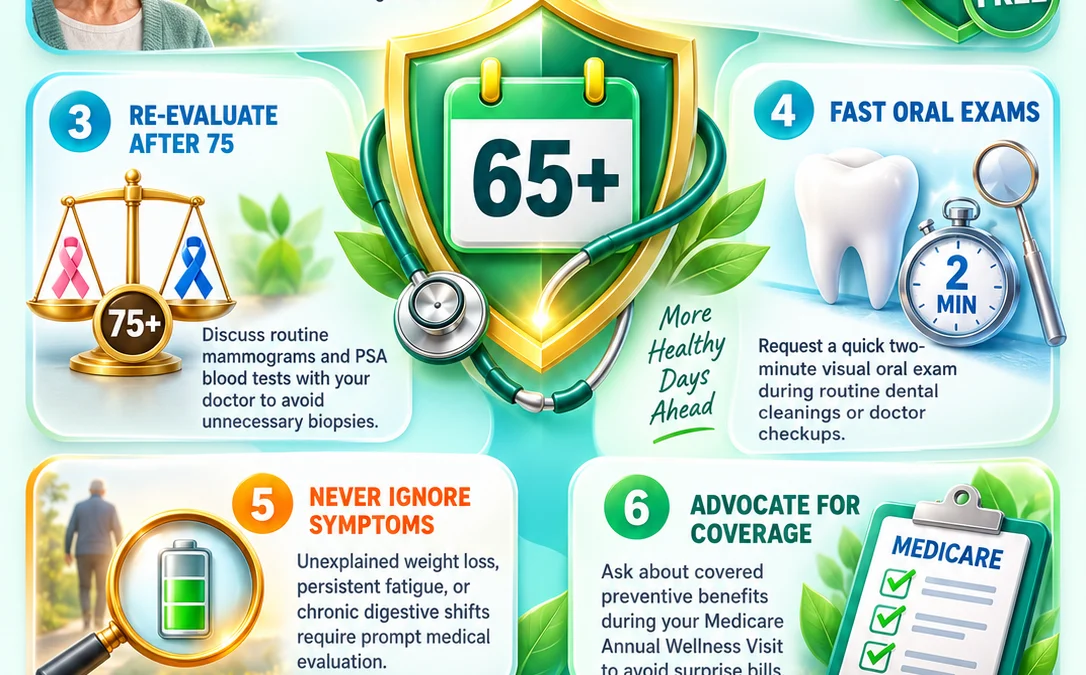
So, what are the most important cancer screenings to consider once you’ve hit the 65+ mark? We’re talking about regular skin checks that are quick and easy, Medicare-covered low-dose CT scans for those who have a history of smoking (a truly life-saving benefit!), and those super-fast oral cancer exams that can be done during your regular dental visits. When it comes to things like mammograms after 75 or PSA blood tests for prostate health, the decision becomes more personal. It really depends on your individual health status, your family’s medical history, and what your overall life expectancy looks like. It’s not a one-size-fits-all answer, and that’s okay! We’ll dive deeper into these specifics.

Let’s dive into eleven vital facts about cancer screenings for those over 65. Understanding these can empower you to make the best decisions for your health care journey. 🧭
📌 Why a ‘One-Size-Fits-All’ Approach Doesn’t Work for Your Health 🩺
You’ve probably noticed that many standard medical guidelines feel a bit… generic. That’s because they were often developed based on research models from decades past. 📜 The reality is, modern medicine and healthier lifestyles mean people are living longer, more active, and more vibrant lives than ever before! 🌟
So, why doesn’t a simple age cutoff work for everyone?
- Chronological age is just a number: Your overall physical health, energy levels, and vitality often matter far more than the number of years you’ve lived.
- Family history is crucial: Standard rules frequently overlook the significant impact of your unique family medical history, which can influence your risk factors.
- Quality of life goals differ: What one person hopes to achieve and maintain in their later years can be very different from another’s goals.
- Blanket recommendations cause anxiety: Broad advice can sometimes lead to unnecessary worry or the pursuit of screenings that aren’t truly beneficial for you.
Instead of just blindly following age-based recommendations, it’s much more effective to focus on your personal health baseline. 🏋️ Consider your current activity levels, your genetic predispositions, and your personal aspirations for the future. These factors should be the driving force behind your healthcare plan. 🎯
Having open, honest conversations with your physician about these elements ensures that your routine screenings are perfectly aligned with your actual needs and priorities. 📋
Key Takeaway: Age alone shouldn’t dictate your healthcare decisions. A robust and active 70-year-old might benefit greatly from certain screenings that a less healthy peer could safely skip, avoiding potential harm or unnecessary procedures.
Understanding the different categories of tests and their specific benefits – or potential drawbacks – will help you prioritize which appointments deserve a spot on your calendar. 🗓️
🫁 Free Medicare Lung Screenings & Other Essential Checks 🔍
Here’s a piece of information that could be a genuine lifesaver: many seniors are unaware that Medicare offers coverage for low-dose computed tomography (LDCT) lung screenings at absolutely no out-of-pocket cost for eligible individuals! 💵 This quick, non-invasive scan is incredibly effective at spotting tiny abnormalities in the lungs much earlier than symptoms might appear. 🫁
Who is typically eligible for these crucial lung screenings?
- Seniors aged 50 to 80 who are current smokers or have a history of smoking heavily (usually defined as smoking 20 packs a year or more).
- It’s important to note that eligibility criteria can vary slightly, so always confirm with your doctor or Medicare.
The impact of early lung cancer detection is profound; it dramatically improves treatment success rates and overall prognosis. Don’t miss out on this vital Medicare benefit if it applies to you!
Beyond lung screenings, let’s not forget about other quick yet impactful checks:
- Skin Checks: These take mere minutes and are excellent for catching common skin cancers, like basal cell carcinoma or squamous cell carcinoma, in their earliest, most treatable stages. Decades of sun exposure can take a toll as we age, making regular skin checks by a dermatologist even more important. ☀️🔍
- Oral Cancer Exams: Your dentist can perform a simple, painless visual check of your tongue, gums, cheeks, and throat during your routine cleaning. This two-minute exam can detect suspicious sores or lesions early. 🦷
Expert Insight: An oral cancer screening is completely painless and takes less than two minutes. Make it a point to ask your dentist to inspect your mouth thoroughly at every cleaning appointment. Early detection is key!
While some screenings offer clear, undeniable benefits, others require a more thoughtful evaluation as we get older. ⚖️
⚖️ Rethinking Mammograms & PSA Tests After Age 75 📉
As we celebrate reaching 75 and beyond, it’s a good time to have a more nuanced conversation about certain routine screenings. 🎂 The goal shifts slightly: while early detection is always important, the potential for over-treatment of slow-growing conditions that might never cause harm during your lifetime becomes a more significant consideration. 🛑
Let’s break down the considerations for mammograms and PSA tests:
- Mammograms After 75: For some women, routine mammograms after this age might identify harmless, slow-growing spots that wouldn’t cause any problems. The subsequent steps, like biopsies, can lead to physical discomfort and significant emotional stress. It’s crucial to discuss with your doctor whether continuing routine mammograms aligns with your personal health profile and life expectancy.
- PSA Tests for Prostate Health: The PSA (Prostate-Specific Antigen) blood test is a common screening tool, but it’s known for sometimes producing high rates of false alarms. This means a high PSA level doesn’t always indicate cancer; it can be elevated due to other factors like infection or inflammation.
- Risks of Follow-Up Procedures: If a mammogram or PSA test leads to further investigation, like a breast or prostate biopsy, these invasive procedures carry inherent risks, including infection, bleeding, and pain. For older individuals, especially those with other health conditions, weighing these risks against the potential benefits of detecting a very slow-growing cancer is paramount.
Stopping routine screenings doesn’t mean abandoning your health; it’s about strategically shifting your focus. 🛡️ The emphasis can move towards maintaining your daily energy, ensuring comfort, and preserving your physical independence and quality of life. 💃
It’s all about carefully weighing the potential benefits of a screening against the risks associated with potential follow-up diagnostic procedures or treatments. This ensures your medical care remains safe, practical, and aligned with your overall well-being. 🩺
Common Mistake: A frequent error is assuming that more medical tests automatically equate to better health. After age 75, the risks associated with invasive follow-up procedures for potentially benign or slow-growing findings can sometimes outweigh the benefits.
Beyond scheduled tests, your most powerful tool for defense is paying close attention to subtle changes happening within your own body. 🚨
🚨 Never Ignore These Subtle Warning Signs – They’re Not Just ‘Aging’! 🛑
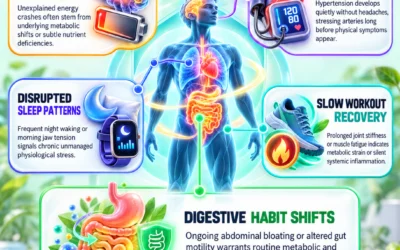
One of the biggest pitfalls in senior healthcare is the tendency to dismiss real physical symptoms as simply being a part of getting older. ⏳ That persistent fatigue, those aching joints, or mild digestive issues – they deserve proper medical attention, not just a shrug and an assumption that it’s normal aging. 🩺
Be vigilant about these potential warning signs:
- Unexplained Weight Loss: Losing weight without making any changes to your diet or exercise routine is a significant red flag.
- Persistent Fatigue: If you’re constantly tired and adequate sleep doesn’t help, it’s worth investigating.
- Changes in Bowel Habits: Chronic bloating, persistent stomach pain, or ongoing changes in your bowel movements should not be ignored.
- Respiratory or Vocal Changes: A persistent cough, a feeling of throat tightness, or unexplained hoarseness warrants a medical evaluation.
Your body often sends subtle signals long before a major health issue becomes apparent. 🗣️ Keeping a record of when symptoms started and how they progress can be incredibly helpful for your doctor in building an accurate picture during your appointments. 📓
And remember, if a physician dismisses your persistent discomfort without thorough investigation or basic testing, don’t hesitate to seek a second medical opinion. Your health is too important. 🩺
Quick Tip: Before your next annual checkup, try keeping a simple health diary for a week or two. Jot down your energy levels, sleep quality, mood, and any unusual symptoms you’ve noticed. This will help you remember everything important during your visit.
Taking a proactive approach also involves understanding how to advocate for specialized tests, like advanced blood work, if they seem appropriate for your situation. 🩸
🩸 Cancer Marker Blood Tests & Medicare Coverage: What You Need to Know 📜
Cutting-edge multi-cancer early detection (MCED) blood tests are becoming increasingly sophisticated and available worldwide. 🧪 While incredibly promising for the future of cancer screening, it’s important to know that these specialized marker tests are generally *not* yet part of standard, automated physical exams or covered under typical Medicare preventive care benefits.
Here’s a breakdown:
- Active Request Needed: You’ll usually need to specifically ask your doctor about these advanced marker blood tests. They aren’t typically offered proactively like a standard colonoscopy.
- Medicare’s Role: Medicare *does* cover many established preventive screenings, such as colonoscopies, mammograms, and Pap tests, when they meet specific criteria. Always verify coverage for any recommended test.
- Family History is Key: Your personal and family cancer history remains the most powerful guide for determining if custom or specialized testing is warranted beyond standard recommendations.
- Second Opinions Matter: If you’re considering specialized testing or are unsure about a diagnosis, seeking a second opinion can provide clarity and help prevent diagnostic missteps.
Before you request any specialized tests, it’s wise to review your specific Medicare coverage details. This can help prevent unexpected medical bills down the line. 💳
A good strategy is to contact your clinic’s billing department directly. Ask them to confirm whether a planned checkup or test falls under covered preventive benefits or if it might be considered diagnostic and subject to different cost structures. 🛡️
Best Practice: Schedule your Annual Wellness Visit (AWV) as early in the calendar year as possible. Use this appointment strategically to work with your doctor to build a personalized, comprehensive screening checklist for the year ahead, focusing on tests that are covered and relevant to you.
Now, let’s consolidate the most critical points to help you confidently navigate your healthcare journey. 📌
📌 Your Essential Screening Checklist: Key Takeaways 📌
- Personalize Your Plan: Base your screening decisions on your overall physical health, lifestyle, and personal/family medical history, not just your age.
- Leverage Medicare Lung Scans: If you have a history of smoking, don’t miss out on the Medicare-covered low-dose CT lung screening benefit – it could save your life.
- Discuss Mammograms & PSA Tests After 75: Have an open conversation with your doctor about the benefits versus potential risks of continuing routine mammograms and PSA tests at this stage of life.
- Heed Warning Signs: Never dismiss persistent symptoms like unexplained weight loss, chronic fatigue, or changes in bowel habits as just part of aging. Consult your doctor promptly.
- Don’t Forget Quick Exams: Request brief skin checks and oral cancer screenings during your regular medical and dental appointments. They are quick, easy, and potentially life-saving.
🏁 Final Thoughts: You Are Your Best Health Advocate! 🌿
Staying healthy, active, and vibrant after 65 is absolutely achievable, and it starts with making smart, informed choices tailored to your unique body and circumstances. 🌿 You are your own most powerful health advocate. By asking thoughtful questions and actively participating in your care, you can transform routine doctor visits into dynamic, collaborative experiences that truly serve your well-being. 🎯
Take the time to review your personal health history, have those crucial conversations with your doctor about personalized checkups, and focus on embracing habits that keep you feeling strong, energetic, and confident every single day. Your health journey is in your hands, and you’ve got this! 🌟