
Ever feel like your brain is wading through thick fog? You know, those moments when finding the right word feels like a treasure hunt, staying focused is a Herculean task, and remembering what you walked into a room for is a distant memory? You’re not alone! This isn’t a medical condition in itself, but ‘brain fog’ is a term we use to describe a cluster of cognitive symptoms that can make everyday life feel significantly more challenging. It’s that frustrating feeling of being mentally sluggish, unfocused, and forgetful. But here’s the good news: it’s often temporary, and there are practical, actionable steps you can take to clear the haze and reclaim your mental sharpness. This guide dives deep into common culprits behind brain fog – from hormonal shifts like menopause and perimenopause to the lingering effects of Long COVID, autoimmune conditions, and the everyday drain of chronic stress and exhaustion. We’ll explore simple yet powerful strategies to make your days more manageable, including the art of slowing down, conquering decision fatigue, building steady routines, embracing short breaks, learning to delegate, and leveraging the power of calendars and reminders. Plus, we’ll introduce the brilliant SWANS approach – a simple lifestyle framework focusing on Sleep, Water, Activity, Nutrition, and Stress management – to support your overall well-being. Most importantly, we’ll help you understand when it’s time to consult a healthcare professional, ensuring you take proactive steps toward clarity without falling into the trap of self-diagnosis. Ready to cut through the mental clutter? Let’s get started!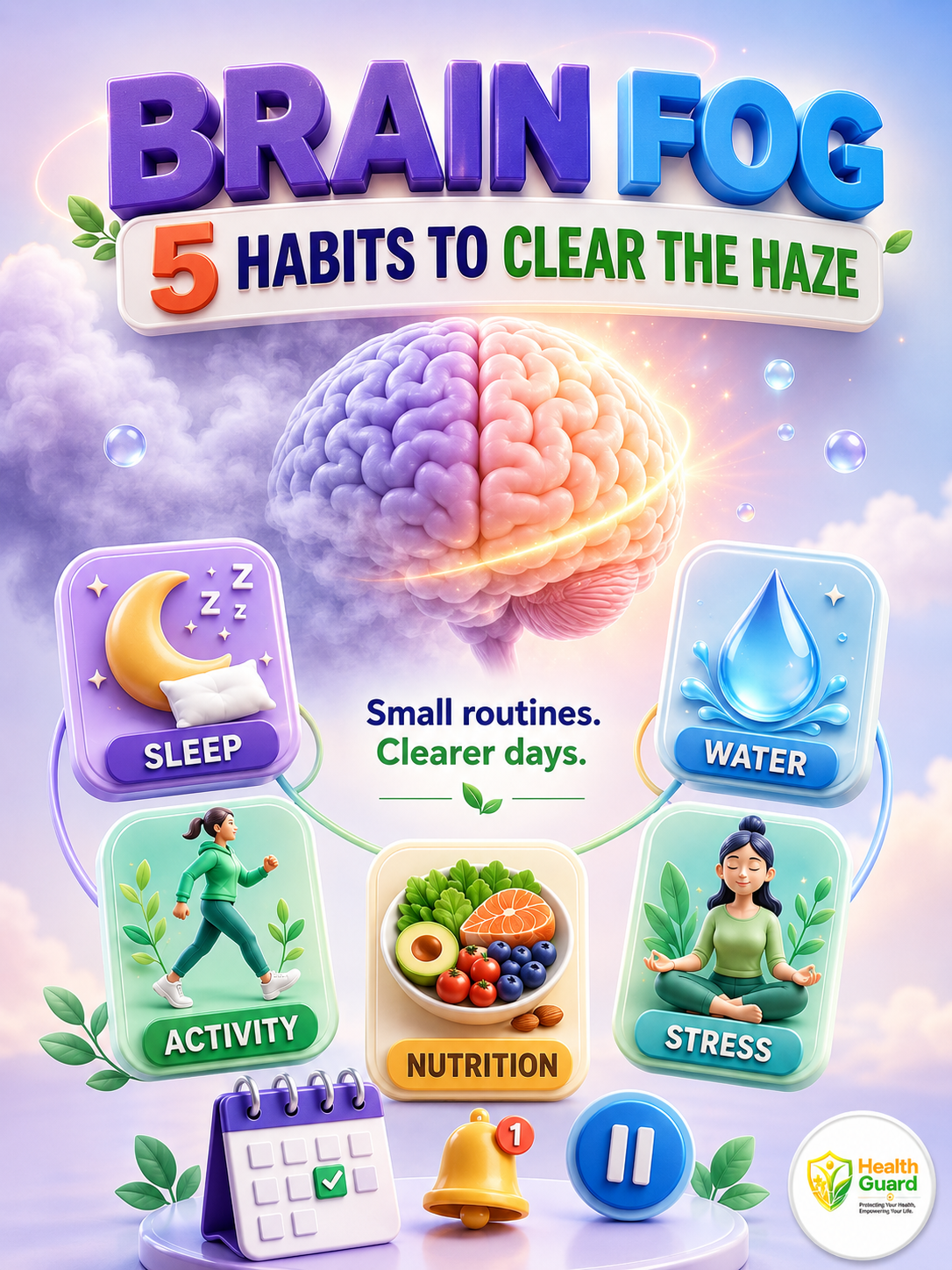
What Exactly Is Brain Fog? Understanding the Symptoms
So, what exactly *is* this elusive ‘brain fog’ we keep hearing about? Think of it as a common way to describe a collection of cognitive hiccups that mess with your ability to think clearly and efficiently. It’s not a disease you can catch, but rather a feeling, an experience. It’s that pervasive sense of mental cloudiness that can make simple tasks feel like climbing a mountain. You might find yourself struggling to concentrate during conversations, experiencing lapses in memory, or just feeling generally slower in your thinking processes. It’s that moment you walk into a room and completely forget why you’re there, or when you’re trying to follow a meeting and your mind just drifts off, making it impossible to grasp the key points. Organizing your to-do list can feel overwhelming, and finding that perfect word to express yourself can turn into a frustrating game of charades. These experiences can be incredibly disheartening, especially when your daily life already demands a high level of focus and mental agility.
The good news is that brain fog is often a temporary visitor. It can lift when you identify and address the underlying issues – perhaps you’ve been burning the candle at both ends, not getting enough quality sleep, or dealing with a particularly stressful period. However, it’s crucial not to dismiss persistent or disruptive symptoms as just ‘being busy’ or ‘a bit tired’. There are various underlying factors that can contribute to these cognitive symptoms, and sometimes, what feels like simple brain fog could be a sign that something else needs attention. That’s why understanding your symptoms and, when necessary, seeking professional advice is so important.
What Does Brain Fog Actually Feel Like? A Deeper Dive
Brain fog isn’t a one-size-fits-all experience. It can manifest in several ways, affecting different aspects of your cognitive function, and these symptoms can ebb and flow. One day might be better than the next, adding to the confusion and frustration.
Difficulty Concentrating: This is perhaps one of the most common complaints. You might find it incredibly hard to zero in on a conversation, get lost in a book, stay engaged during a work meeting, or even complete a single task without your mind wandering. It’s like trying to listen to a radio station with a lot of static – the signal is there, but it’s hard to make out the details.
Forgetfulness: This goes beyond simply misplacing your keys. You might start forgetting appointments, important instructions, names of people you know well, tasks you’ve committed to, or even information you’ve recently learned. It’s the feeling of having a sieve for a memory, where things just slip through.
Mental Slowness: When you’re experiencing brain fog, your thinking processes can feel sluggish. Trying to solve a problem, make a simple decision, or recall a specific word can feel like it’s taking an eternity. It’s as if your brain is running on dial-up in a world that expects broadband speed.
It’s important to remember that these symptoms don’t automatically signal a serious memory disorder like dementia. Many factors, including everyday life stressors, anxiety, poor sleep quality, and various health conditions, can significantly impact your memory and concentration. The National Health Service (NHS) rightly advises that if memory problems persist or start to interfere with your daily life, it’s best to consult your GP rather than trying to self-diagnose. They can help unravel the potential causes and guide you toward the right solutions.
Unpacking the Common Triggers Behind Brain Fog
Navigating Menopause and Perimenopause
For many women, the journey through perimenopause and menopause can bring about a host of changes, and brain fog is a common companion. During this significant life stage, fluctuating hormone levels, particularly estrogen, can impact brain function, leading to noticeable problems with memory and concentration. These cognitive symptoms often occur alongside other challenges like disrupted sleep patterns, persistent fatigue, and mood swings, which can further amplify the feeling of mental fogginess. It’s a complex interplay of factors.
If you’re experiencing brain fog during this time, focusing on improving your sleep hygiene, establishing predictable daily routines, and having an open conversation with your healthcare provider about managing your menopause symptoms can make a significant difference. They can offer tailored advice and support to help you navigate this transition more smoothly.
The Lingering Effects of Long COVID
The impact of COVID-19 extends far beyond the initial infection for many individuals. Long COVID, a condition characterized by persistent symptoms weeks or months after the initial illness, frequently includes cognitive difficulties, often described as brain fog. This can accompany other lingering issues such as profound fatigue, sleep disturbances, persistent headaches, and a general feeling of being unwell. The cognitive impairment experienced with Long COVID can be particularly distressing, affecting work, relationships, and overall quality of life.
Because the symptoms of Long COVID can be so varied and unpredictable, it’s essential for those experiencing ongoing cognitive challenges to seek professional medical guidance. Relying on assumptions about the cause of each episode of brain fog isn’t advisable; a proper medical assessment is key to understanding and managing the condition effectively.
When Autoimmune Conditions Play a Role
Certain autoimmune conditions, where the body’s immune system mistakenly attacks its own tissues, can also be linked to cognitive difficulties. Conditions like lupus, for example, have been associated with brain fog and other cognitive symptoms. If you’re experiencing brain fog alongside other unexplained or persistent symptoms that don’t seem to have a clear cause, it’s worth consulting a doctor. They can help determine if an underlying autoimmune condition might be contributing to your symptoms and if it requires specific assessment or treatment.
The Toll of Stress, Overload, and Exhaustion
In our fast-paced world, it’s easy to accumulate a mountain of tasks, responsibilities, and back-to-back commitments. This constant pressure leaves very little mental bandwidth for clear, focused thinking. Stress itself is a major culprit when it comes to cognitive impairment. It can directly contribute to difficulty concentrating, make you more forgetful, and impair your decision-making abilities. It’s a vicious cycle: the more stressed and overwhelmed you feel, the harder it becomes to manage your tasks, leading to more stress.
When you’re chronically tired, stressed, or mentally depleted, your cognitive functions take a hit. This can create a feedback loop: the more demanding your day feels, the more challenging it becomes to concentrate, organize your thoughts, and make sound decisions, which in turn makes the day feel even more demanding. Recognizing the role of stress and overload is a critical step in managing brain fog.
Actionable Strategies: How to Effectively Manage Brain Fog
1. Practice Self-Compassion and Slow Down
Brain fog is often a signal that your system needs a break, not more pressure. Instead of pushing yourself harder and faster when your concentration is suffering, make a conscious effort to slow down. This isn’t about shirking responsibilities; it’s about working *with* your current cognitive state rather than against it.
Delegate when possible: If you have the option, share the workload. Delegating tasks can significantly reduce your mental load and give your brain some much-needed breathing room.
Don’t hesitate to ask for help: If a task feels overwhelming or impossible to manage alone, reach out. Whether it’s a colleague, friend, or family member, sometimes a little assistance is all you need to get back on track.
Consult your GP if concerned: This is crucial. If your brain fog symptoms are persistent, worsening, or significantly impacting your daily life, don’t hesitate to seek professional medical advice. They can help rule out underlying conditions and offer appropriate guidance.
The ultimate goal here is to alleviate unnecessary cognitive strain while you explore what might be contributing to your symptoms. It’s about being kind to yourself during a challenging time.
2. Establish Predictable, Calming Routines
Our brains thrive on predictability. Establishing consistent morning and evening routines can dramatically reduce the sheer number of decisions you need to make throughout the day. This strategy is often referred to as reducing decision fatigue. Instead of constantly having to decide what to wear, what to eat for breakfast, or when to tackle certain chores, you can automate these choices.
Think about it: laying out your clothes the night before saves precious mental energy in the morning. Preparing breakfast options in advance, like overnight oats or pre-chopped fruit, removes another small but significant decision from your already busy schedule.
While these structured habits don’t directly cure an underlying medical cause of brain fog, they create a supportive framework that makes daily life feel much smoother and more manageable, especially when your cognitive functions are temporarily impaired.
3. Integrate Short, Restorative Mental Breaks
Are your days packed with back-to-back meetings and tasks? This constant mental engagement can make it incredibly difficult to maintain focus over extended periods. Short, strategic breaks are essential for giving your brain the breathing room it needs.
Even a five-to-ten-minute pause can be incredibly beneficial. Use this time to stretch your body, grab a glass of water, step outside for some fresh air, or simply sit quietly and let your mind rest. The goal isn’t to avoid challenging tasks altogether, but rather to use these breaks as mental buffers, resetting your focus between periods of intense concentration.
Whenever possible, try to resist the urge to fill every spare moment with another task or appointment. Creating small pockets of downtime within your schedule can make even the busiest days feel significantly more manageable and less overwhelming.
4. Leverage Calendars and Reminders Effectively
When your memory feels unreliable, don’t put all your faith in your brain’s ability to recall everything. Externalize your commitments and tasks using reliable tools.
Use a calendar religiously for all appointments, deadlines, and important events. Digital calendars are fantastic because they can sync across devices and allow for easy editing.
Set reminders for tasks that need to be completed at specific times. Whether it’s taking medication, making a phone call, or starting a particular project, a timely reminder can be a lifesaver.
For recurring tasks – think bill payments, weekly chores, or regular check-ins – set up recurring reminders or calendar entries. This automates the process and ensures nothing slips through the cracks.
By externalizing information, you significantly reduce the cognitive load – the amount of information you need to actively hold in your mind at any given moment. This is particularly invaluable when brain fog is impacting your concentration and short-term memory.
The SWANS Approach: Building a Strong Foundation for Well-being
To complement these practical strategies, let’s talk about the SWANS framework. It’s a simple, habit-focused approach that covers five essential pillars of daily well-being: Sleep, Water, Activity, Nutrition, and Stress management. Think of it as your daily checklist for supporting your brain and body.
Prioritize Quality Sleep
It’s no secret that sleep is fundamental for cognitive function. Aim for a consistent sleep schedule, going to bed and waking up around the same time each day, even on weekends. Ensure your body has ample opportunity to rest and repair. Poor sleep quality or insufficient sleep can drastically impair daytime concentration, affect your mood, and deplete your energy levels.
The NHS emphasizes the importance of consistent sleep times and suggests that making changes to your lifestyle and sleep environment can significantly help combat tiredness and fatigue. Creating a relaxing bedtime routine and ensuring your bedroom is dark, quiet, and cool can make a world of difference.
Stay Hydrated with Plenty of Water
Proper hydration is vital for overall health, and it plays a direct role in how well your brain functions. Dehydration can leave you feeling generally unwell, lethargic, and, yes, contribute to that foggy feeling, making concentration even more challenging.
Make it a habit to keep water accessible throughout the day. Listen to your body’s thirst signals and aim to drink water regularly, even before you feel parched. Herbal teas and water-rich fruits and vegetables also contribute to your fluid intake.
Incorporate Regular Physical Activity
You don’t need to run a marathon! Even short bursts of physical activity can make a big difference. Gentle walks, stretching sessions, or any form of movement appropriate for your energy levels can help break up prolonged periods of sitting and intense mental work. Regular activity boosts blood flow to the brain, improves mood, and can enhance cognitive function.
The key is consistency, not intensity. Find activities you enjoy and that fit into your lifestyle. Whether it’s a brisk walk during a break, some light yoga in the morning, or dancing to your favorite music, movement is medicine for the brain.
Nourish Your Body with Balanced Nutrition
What you eat directly impacts your brain health. Focus on building meals around a diverse range of whole foods, rather than relying heavily on processed options, which can often lead to energy crashes and brain fog.
The original mind map highlighted choline-rich foods – like eggs, fish, and nuts – as excellent examples of brain-boosting nutrients. Incorporating these, along with plenty of fruits, vegetables, and healthy fats, forms the basis of a brain-healthy diet. Remember, nutrition should support your overall health and well-being, not be viewed as a quick fix for brain fog. If you have specific dietary needs or health conditions, seeking advice from a registered dietitian or nutritionist is always a good idea.
Master Stress Management Techniques
Chronic stress is a significant saboteur of clear thinking. It can impair concentration, cloud judgment, and wreak havoc on your memory. Finding effective ways to manage and reduce unnecessary stress is therefore a crucial component of combating cognitive overload.
Explore techniques that work for you: deep breathing exercises, mindfulness meditation, engaging in hobbies you love, dedicating quiet time for yourself, or setting healthy boundaries around your commitments can all help create vital periods of recovery and mental calm, especially during demanding times.
Crafting a Simple, Brain-Fog-Friendly Daily Routine
Let’s put it all together into a practical daily structure designed to minimize cognitive load and support mental clarity:
🌅 Morning: Kickstart your day with predictability. Prepare common items the night before, and identify your single most important task for the day. This reduces morning rush and decision-making.
🎯 During Focused Work: Commit to single-tasking. Concentrate on one priority at a time to avoid the cognitive drain of constant task-switching.
⏸️ Between Tasks: Schedule short, intentional breaks. Use them for light physical activity, hydration, fresh air, or simply quiet reflection to reset your focus.
📱 Throughout the Day: Make full use of your organizational tools. Record appointments, deadlines, and recurring responsibilities in your calendar or reminder system to keep your mental load light.
🌙 Evening: Wind down with intention. Minimize decisions by prepping for the next morning and maintain a consistent, calming bedtime routine to prepare for restful sleep.
🦢 Every Day: Use the SWANS framework (Sleep, Water, Activity, Nutrition, Stress) as your simple, daily well-being checklist. It’s a gentle reminder to nurture the foundational elements that support cognitive health.
Knowing When to Seek Professional Help: Talking to Your GP
Occasional moments of forgetfulness or a temporary dip in concentration are a normal part of life for many people. However, if these symptoms are persistent, becoming more noticeable, or significantly impacting your work, relationships, ability to manage daily responsibilities, or overall quality of life, it’s time to seek professional guidance.
Consider scheduling an appointment with your GP if:
- Your memory or concentration problems continue unabated.
- The symptoms are becoming more pronounced or frequent.
- These cognitive difficulties are interfering with your daily activities and well-being.
Memory and concentration issues can stem from a variety of causes, some of which are common and treatable, such as prolonged stress, sleep deprivation, or nutritional deficiencies. Your GP can conduct a thorough assessment to explore potential underlying factors.
Depending on your specific symptoms and medical history, your doctor might investigate possibilities such as anemia, diabetes, thyroid dysfunction, sleep disorders, or other underlying health conditions. They have the tools and expertise to determine if further testing or specialist consultation is necessary.
It’s crucial to avoid the assumption that brain fog is *always* just a side effect of stress, menopause, Long COVID, or simply being overworked. While these can be contributing factors, identifying the true root cause is paramount, especially when symptoms persist or worsen. Professional diagnosis is the most reliable path to effective management and recovery.
The Takeaway: Reclaiming Your Mental Clarity
Remember, brain fog is a description of symptoms, not a diagnosis in itself. This feeling of mental cloudiness – characterized by difficulty concentrating, forgetfulness, and mental slowness – can arise from diverse reasons. These can include hormonal shifts like menopause or perimenopause, the lingering effects of Long COVID, autoimmune conditions, chronic stress, and profound exhaustion.
The most effective approach to managing brain fog involves a two-pronged strategy: implementing practical organizational techniques and paying close attention to your overall well-being. Make a conscious effort to slow down, reduce unnecessary decision-making, establish predictable routines, incorporate short breaks, and utilize tools like calendars and reminders to lighten your cognitive load.
The SWANS framework – encompassing Sleep, Water, Activity, Nutrition, and Stress management – offers a simple yet powerful way to review and enhance your daily habits. It serves as a valuable guide for self-care, but it’s important to remember that these lifestyle changes should complement, not replace, professional medical advice when needed.
If brain fog is persistent, worsening, or significantly impacting your daily life, please consult your GP. Understanding the potential underlying cause is the critical first step toward finding the right support and developing an effective management plan to help you regain your mental clarity and vitality.