Hey there, aspiring leaders and growth enthusiasts! Ever wondered what separates a good leader from an absolutely phenomenal one? It’s not just about barking orders or having the best ideas. It’s about mastery in guiding others, fostering growth, and igniting that spark of potential within your team. Truly great coaching isn’t just about dispensing advice; it’s a dynamic, multi-faceted approach. The most effective leaders, the ones who truly transform their teams into powerhouses, understand that they need to wear many hats. From being the most empathetic listener 👂 to the sharpest visionary strategist 📈, each role is a crucial piece of the leadership puzzle.
This deep dive explores 11 indispensable coaching roles that high-achieving leaders consistently embody. These aren’t just buzzwords; they’re active strategies that inspire progress, instill accountability, boost motivation, and drive sustainable, long-term development. You’ll discover how the art of coaching masterfully blends emotional intelligence, crystal-clear communication, insightful mentorship, and forward-thinking strategic planning into a powerful framework that elevates everyone.
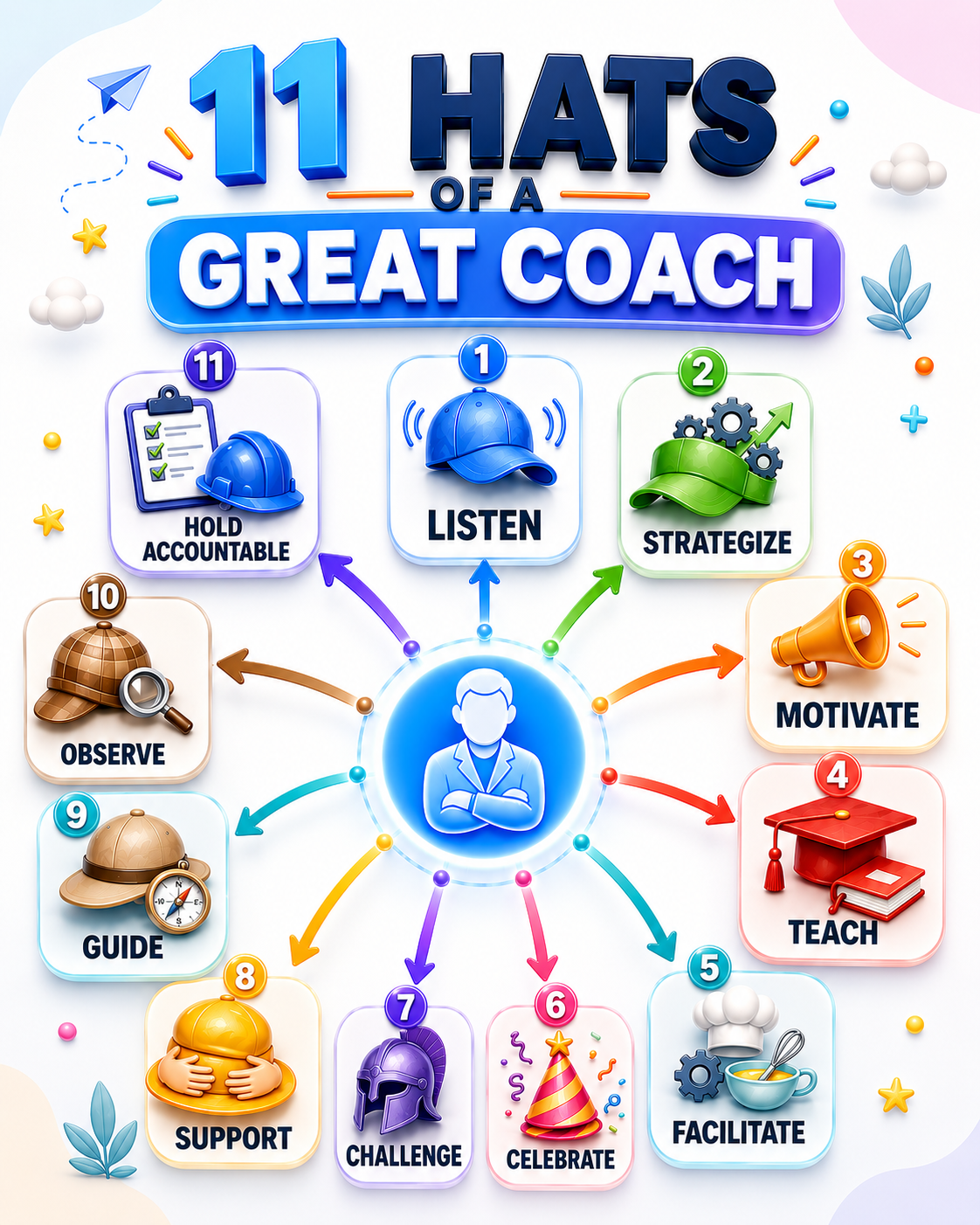
Whether you’re at the helm of a bustling business team, mentoring promising employees, steering critical projects, or cultivating the next generation of leaders, understanding and embodying these coaching roles can profoundly strengthen your workplace culture, supercharge collaboration, and drive truly meaningful results. 🔥 Ready to learn how the best coaches empower their people through expert guidance, insightful teaching, unwavering support, keen observation, enthusiastic celebration, and strategic challenge? Let’s dive into creating environments where individuals don’t just work, they *thrive* – both personally and professionally!
🌟 Why the Most Successful Leaders Are Also Master Coaches
Think great coaching is all about pep talks and performance reviews? Think again! While those have their place, truly effective coaching goes so much deeper. It’s about adaptability, about understanding that different situations, different people, and different challenges require different approaches. The most impactful leaders are masters of wearing multiple hats, seamlessly shifting between roles to foster learning, cultivate growth, ensure accountability, and build rock-solid emotional resilience within their teams.
Why this chameleon-like approach? Because people are complex. They need different kinds of guidance at different points in their journey. Sometimes, a team member needs a gentle nudge of encouragement. Other times, they require clear direction, a constructive challenge to push their boundaries, or strategic planning to map out their next steps.
In today’s rapidly evolving business landscape, a coaching-driven management style isn’t just a nice-to-have; it’s increasingly becoming a non-negotiable. Organizations are placing a premium on collaboration, emotional intelligence, and genuine employee development. Leaders who can effectively coach their teams are the ones building stronger units, fostering open and honest communication, and creating environments where individuals consistently bring their A-game.
🎧 1. The Master Listener: Hearing More Than Just Words
👂 Why Active Listening is the Bedrock of Exceptional Coaching
Every truly great coaching relationship begins with the art of listening. Not just passively hearing, but *actively* listening. This is how leaders tap into the unspoken – understanding the underlying emotions, the hidden concerns, the true motivations, and the subtle challenges that might otherwise remain invisible. A phenomenal listener tunes into the nuances: the tone of voice, the flicker of body language, the hesitations, the sighs, and the emotional signals that paint a richer picture than words alone ever could.
💡 The Undeniable Benefits of Being a Stellar Listener
- Builds Unshakeable Trust: When people feel truly heard, they feel valued and safe, forming the bedrock of trust and psychological safety.
- Unlocks Open Communication: A listening ear encourages candor and transparency, making it easier for team members to share ideas and concerns.
- Minimizes Costly Misunderstandings: By ensuring you’ve accurately grasped the message, you drastically reduce the chances of misinterpretations and subsequent errors.
- Uncovers Root Problems: Often, the real issue isn’t what’s being said but what’s *implied*. Deep listening helps get to the heart of the matter.
- Forges Stronger Bonds: Demonstrating genuine interest in what others have to say strengthens relationships and fosters a sense of camaraderie.
🎯 How Top Coaches Master the Art of Listening
- Ask Powerful, Open-Ended Questions: Go beyond ‘yes’ or ‘no’ to encourage deeper reflection and sharing.
- Resist the Urge to Interrupt: Allow the speaker to fully express their thoughts without premature intervention.
- Tune into Emotional Cues: Pay attention to non-verbal signals and the emotional undercurrent of the conversation.
- Reflect and Summarize: Paraphrase what you’ve heard to confirm understanding and show you’re engaged.
- Cultivate a Judgment-Free Zone: Create an atmosphere where individuals feel safe to express themselves without fear of criticism.
Remember, exceptional listening isn’t just a skill; it’s the fundamental prerequisite for every other effective coaching role you’ll play.
📈 2. The Visionary Strategist: Charting the Course to Success
🧠 Strategic Thinking: The Engine for Sustainable Growth
Great coaches don’t just help people navigate the present; they empower them to build the future. They assist individuals in seeing the ‘big picture,’ guiding them toward setting ambitious yet achievable goals, and crucially, aligning their daily actions with a compelling long-term vision. Strategic coaching is all about identifying untapped opportunities, proactively anticipating and overcoming potential obstacles, and meticulously crafting clear, step-by-step action plans that pave the way for success.
🚀 What Strategic Coaches Keep Their Eye On
- Clear Goal Setting: Defining what success looks like, both short-term and long-term.
- Targeted Skill Development: Identifying and nurturing the specific skills needed to achieve goals.
- Performance Optimization: Finding ways to enhance efficiency and effectiveness.
- Career Trajectory Planning: Helping individuals map out their professional journey and aspirations.
- Team Synergy and Alignment: Ensuring everyone is working towards common objectives.
- Future-Proofing: Developing plans that anticipate and adapt to change.
🔥 Provocative Questions Great Strategic Coaches Ask
- ❓ What is the ultimate outcome you’re striving to achieve? (Focuses on the end goal)
- ❓ What potential obstacles or challenges do you foresee on this path? (Encourages proactive problem-solving)
- ❓ Which specific actions will yield the most significant positive impact? (Prioritizes high-leverage activities)
- ❓ What resources, support, or knowledge will be essential for success? (Identifies needs and gaps)
By integrating strategic thinking, coaching transforms from being a reactive support function into a proactive, powerful leadership engine driving consistent progress.
📣 3. The Energizing Motivator: Igniting Passion and Drive
⚡ Motivation: The Fuel for Momentum and Achievement
Even the most talented and dedicated individuals can hit slumps. Self-doubt can creep in, stress can mount, and burnout can become a real threat. This is where the motivational coach shines. They possess the unique ability to reignite confidence, rekindle enthusiasm, and keep the fire of commitment burning bright. Motivational coaching is laser-focused on helping individuals maintain their focus, stay energized, and remain steadfastly committed to their path of progress, especially when the going gets tough.
🌟 Proven Techniques for Inspiring Action
- Acknowledge and Celebrate Progress: Recognizing even small steps forward validates effort and builds momentum.
- Reinforce Core Strengths: Constantly reminding individuals of their capabilities and past successes boosts self-belief.
- Mark Significant Milestones: Creating moments to celebrate achievements reinforces positive behaviors and provides a sense of accomplishment.
- Encourage Unwavering Persistence: Fostering a mindset that views challenges as temporary and learning opportunities.
- Offer Genuine, Constructive Encouragement: Providing positive reinforcement that is both supportive and forward-looking.
🎯 The Tangible Impact of a Motivated Team
When individuals are genuinely motivated, you’ll see:
- Superior Performance: They consistently go the extra mile and deliver higher quality work.
- Enhanced Collaboration: Motivation fosters a positive team dynamic, encouraging mutual support and cooperation.
- Resilience in the Face of Challenges: Motivated individuals are more likely to tackle obstacles with a can-do attitude.
- Sustained Engagement: They remain invested in their work and the team’s objectives.
In essence, the ability to inspire and motivate is one of the most potent and influential leadership skills in any modern organization, driving success from the ground up.
📚 4. The Knowledgeable Teacher: Empowering Through Expertise
🎓 Effective Coaching is Rooted in Education
Coaches often find themselves stepping into the role of an educator, sharing valuable knowledge, imparting crucial expertise, and transferring practical, real-world skills. This ‘teaching’ aspect of coaching isn’t about imposing control or dictating methods; rather, it’s about strategically empowering individuals with the knowledge and tools they need to become more self-sufficient, capable, and ultimately, successful on their own.
💡 Smart Teaching Strategies for Lasting Impact
- Demonstration-Based Learning: Showing rather than just telling can significantly improve comprehension and skill acquisition.
- Providing Actionable, Constructive Feedback: Offering specific, helpful insights that guide improvement.
- Leveraging Real-World Examples: Illustrating concepts with relatable scenarios makes them more tangible and memorable.
- Designing Skill-Building Exercises: Creating opportunities for practical application and reinforcement.
- Fostering a Culture of Continuous Learning: Encouraging ongoing development and curiosity.
🚀 The Transformative Value of Sharing Knowledge
When leaders effectively teach and share their expertise, it directly accelerates:
- Professional Development: Equipping individuals with new competencies and insights.
- Sharper Decision-Making: Providing the understanding needed to make sound judgments.
- Enhanced Problem-Solving Prowess: Developing the analytical skills to tackle complex issues.
- Boosted Confidence and Independence: Empowering individuals to tackle challenges autonomously.
The hallmark of a great coach is their ability to transform learning opportunities into pathways for continuous, sustainable growth.
🧩 5. The Skilled Facilitator: Ensuring Seamless Progress
🔄 Facilitators Smooth the Path and Remove Roadblocks
In the dynamic world of teamwork and project execution, a facilitator plays a critical role. They are the architects of smooth processes, ensuring that collaboration remains not just productive, but also efficient and harmonious. This coaching role is all about establishing clear structures, enhancing communication flow, and meticulously ensuring that the team stays aligned and focused on its objectives, preventing common pitfalls that can derail progress.
🌟 Core Responsibilities of an Effective Facilitator
- Guiding Productive Discussions: Keeping conversations on track, ensuring all voices are heard, and facilitating constructive dialogue.
- Managing Workflows Effectively: Overseeing processes to ensure tasks are completed in a timely and organized manner.
- Clarifying Priorities and Objectives: Ensuring everyone understands what needs to be done and why.
- Encouraging Active Participation: Creating an inclusive environment where everyone feels comfortable contributing.
- Bridging Communication Gaps: Identifying and resolving misunderstandings or breakdowns in information exchange.
🎯 The Critical Importance of Facilitation
Without skilled facilitation, teams often grapple with:
- Pervasive Confusion: Lack of clarity on roles, tasks, or goals.
- Costly Delays: Projects stalling due to inefficient processes or unresolved issues.
- Unnecessary Conflict: Misunderstandings escalating into interpersonal friction.
- Critical Misalignment: Team members working at cross-purposes.
- Dramatically Reduced Productivity: Wasted time and effort due to inefficiency.
Leaders who excel as facilitators help their teams operate like well-oiled machines – efficiently, collaboratively, and with a clear sense of shared purpose.
🎉 6. The Enthusiastic Celebrator: Honoring Every Victory
🏆 Recognition: The Rocket Fuel for Morale and Motivation
It’s a simple but powerful truth: people perform better, engage more deeply, and feel more valued when their efforts are genuinely acknowledged and celebrated. Great coaches intuitively understand the profound impact of recognizing not just the monumental achievements, but also the smaller, incremental wins that pave the way to bigger successes. This consistent acknowledgment builds positive momentum and reinforces a culture of appreciation.
💡 The Multifaceted Benefits of Celebrating Success
- Skyrockets Morale: Feeling appreciated is a powerful mood booster for individuals and teams.
- Deepens Engagement: Recognition makes people feel more connected to their work and the organization’s mission.
- Builds Unwavering Confidence: Acknowledging successes reinforces self-belief and encourages taking on new challenges.
- Reinforces Desired Behaviors: Celebrating specific actions or outcomes encourages their repetition.
- Strengthens Workplace Culture: Fosters a positive, supportive, and high-performing environment.
🎯 Creative and Effective Ways to Celebrate Wins
- Public Recognition: Highlighting achievements in team meetings or company-wide communications.
- Personalized Positive Feedback: Offering specific, sincere praise that details the impact of their contribution.
- Team Celebrations: Organizing small events or activities to mark collective success.
- Showcasing Achievements: Featuring successes in newsletters, reports, or on internal platforms.
- Words of Encouragement and Appreciation: Simple, timely expressions of gratitude can be incredibly impactful.
Celebration isn’t just about marking an end point; it’s about creating powerful emotional momentum that fuels enthusiasm and drives future success.
⚔️ 7. The Bold Challenger: Inspiring Growth Beyond Limits
🚀 True Growth Happens When We’re Pushed Beyond Our Comfort Zones
Exceptional coaches aren’t afraid to challenge their team members. They inspire individuals to think bigger, learn faster, and push past perceived limitations. Staying comfortable is easy, but it’s often within the ‘stretch zone’ – just beyond our current capabilities – that true potential is unlocked. Challenging coaching techniques help individuals break through self-imposed barriers and achieve higher levels of performance than they might have thought possible.
🔥 What Great Challengers Encourage and Foster
- Rigorous Critical Thinking: Pushing individuals to question assumptions and explore deeper insights.
- Embracing Innovation: Encouraging new ideas and approaches, even if they involve risk.
- Strategic Risk-Taking: Guiding individuals to take calculated risks that can lead to significant breakthroughs.
- Expanding Skill Sets: Motivating people to acquire new abilities and competencies.
- Deepening Personal Accountability: Fostering a strong sense of ownership over actions and outcomes.
⚡ Striking the Perfect Balance in Challenge
The art of effective challenge lies in its delivery. Great coaches push individuals assertively, but crucially, they do so without instilling fear or causing discouragement. The goal is to apply constructive pressure – a force that inspires growth and improvement, rather than overwhelming stress that leads to burnout or anxiety. It’s about raising the bar, not breaking the person.
🤝 8. The Steadfast Supporter: Cultivating a Haven of Safety
❤️ Emotional Support: The Unseen Pillar of High Performance
Humans flourish when they feel genuinely supported, respected, and understood. Supportive coaches are masters at creating environments where individuals feel completely safe to voice their concerns, share nascent ideas, and discuss their challenges without reservation. This psychological safety is not a soft skill; it’s a critical component of a high-performing team, allowing for vulnerability and open communication.
🌟 Defining Traits of Truly Supportive Coaches
- Empathy: The ability to understand and share the feelings of another.
- Patience: Allowing individuals the time and space they need to grow and learn.
- Unwavering Respect: Valuing each person’s perspective and contributions.
- Consistent Encouragement: Offering belief and support, especially during difficult times.
- Dependability: Being a reliable presence that team members can count on.
💡 Why Psychological Safety is Non-Negotiable
Environments rich in psychological safety lead to demonstrable improvements in:
- Heightened Creativity: People are more likely to share novel ideas when they feel safe.
- Enhanced Collaboration: Trust fuels more effective teamwork.
- Increased Confidence: Feeling supported empowers individuals to take more initiative.
- Open and Honest Communication: Reduced fear leads to greater transparency.
- Better Employee Retention: People are less likely to leave a supportive workplace.
Ultimately, trust, built on a foundation of unwavering support, is the essential ingredient for sustainable, long-term personal and professional development.
🧭 9. The Insightful Guide: Navigating the Journey Together
🌍 Guidance Provides Clarity and Direction in Uncertainty
Life and work are often filled with twists, turns, and unexpected challenges. Coaches, acting as experienced guides, help individuals navigate these complexities, changes, and uncertainties with greater confidence. Instead of dictating every step or controlling decisions, guiding coaches empower individuals to make well-informed choices by providing perspective, sharing wisdom, and offering support along the way. They illuminate the path, rather than carrying the traveler.
🎯 What Effective Guidance Entails
- Clarifying Priorities: Helping individuals discern what truly matters most.
- Offering Diverse Perspectives: Presenting different viewpoints to broaden understanding.
- Sharing Valuable Insights: Drawing on experience to offer wisdom and foresight.
- Supporting Sound Decisions: Backing well-reasoned choices, even if they involve risk.
- Encouraging Thoughtful Reflection: Prompting individuals to learn from their experiences.
🚀 The Accelerating Power of Guided Growth
When individuals receive effective guidance, they are better equipped to:
- Sidestep Common Pitfalls: Learn from the experiences and mistakes of others.
- Build Self-Assurance: Gain confidence through successful navigation of challenges.
- Adapt More Readily to Change: Develop resilience and flexibility in dynamic environments.
- Maintain Laser Focus: Stay centered on their objectives amidst distractions.
Thoughtful guidance acts as a powerful catalyst, significantly accelerating both personal and professional growth trajectories.
🔍 10. The Keen Observer: Uncovering Subtle Patterns and Insights
👀 Observation Sharpens the Edge of Effective Coaching
The most perceptive coaches possess a remarkable ability to observe closely. They pay meticulous attention to the nuances of behavior, the patterns of habits, and the trends in performance that might escape the casual glance. This heightened awareness allows leaders to accurately identify underlying strengths, pinpoint areas for development, recognize emerging opportunities, and uncover hidden barriers that may be impeding progress. It’s about seeing what’s truly happening beneath the surface.
📊 What Astute Observers Consistently Notice
- Communication Dynamics: How individuals interact, listen, and convey information.
- Work Habits and Rhythms: Identifying efficient or inefficient patterns in daily tasks.
- Emotional Responses and States: Sensing the prevailing mood and individual reactions.
- Team Interactions and Cohesion: Understanding the group’s internal dynamics and collaboration levels.
- Productivity Trends: Tracking performance over time to identify fluctuations and their causes.
💡 The Crucial Role of Observation in Coaching
Diligent observation is the bedrock upon which effective coaching is built, enabling:
- More Precise and Actionable Feedback: Providing insights that are specific and relevant.
- Highly Personalized Coaching Strategies: Tailoring development plans to individual needs.
- Proactive Problem-Solving: Identifying issues before they escalate.
- Deeper Understanding of Team Dynamics: Gaining insights into group performance and potential.
Ultimately, truly impactful coaching is fueled by a foundation of keen awareness, insightful observation, and a deep understanding of the individuals and teams being led.
📋 11. The Reliable Accountability Partner: Ensuring Commitments Stick
🎯 Accountability: The Bridge Between Goals and Tangible Results
Setting ambitious goals is the first step, but without a robust system of accountability, those aspirations often remain just that – aspirations. Great coaches act as steadfast accountability partners, helping individuals and teams stay committed, maintain focus, and take genuine ownership of their progress. They ensure that intentions translate into consistent action and measurable outcomes.
🚀 Proven Strategies for Fostering Accountability
- Establish Clearly Measurable Goals: Define success with specific, quantifiable targets (SMART goals).
- Implement Consistent Progress Tracking: Regularly monitor and document advancement towards objectives.
- Conduct Regular, Structured Check-ins: Create dedicated time to review progress, discuss challenges, and adjust plans.
- Clarify Expectations Explicitly: Ensure everyone understands their roles, responsibilities, and the desired outcomes.
- Encourage Unwavering Consistency: Foster the habit of regular effort and follow-through.
🔥 Why Accountability is a Game-Changer
A strong culture of accountability demonstrably improves:
- Overall Productivity: Clear goals and follow-through lead to more work accomplished.
- Individual Discipline: Fosters self-control and commitment to tasks.
- Higher Goal Completion Rates: Increases the likelihood of achieving desired outcomes.
- Consistent Performance: Encourages steady effort rather than sporadic bursts.
- Better Performance Outcomes: Drives tangible results and continuous improvement.
Implementing effective accountability systems is fundamental to creating lasting positive change and achieving sustainable success.
🌟 The Symphony of Coaching Roles: How They Intertwine
The most transformational leaders don’t rigidly adhere to just one coaching style or persona. They possess the wisdom and agility to fluidly shift between these crucial roles, adapting their approach based on a dynamic interplay of factors:
- The specific needs and developmental stages of their team members.
- The unique personalities and working styles of individuals.
- The overarching organizational goals and strategic priorities.
- The nature of the challenges or opportunities at hand.
Imagine this: a coaching session might begin with deep, empathetic listening to understand a challenge. The leader might then transition into the role of a strategist, helping to map out a path forward. If motivation wanes during a tough phase, they’ll pivot to becoming a motivator. And finally, they’ll act as a reliable accountability partner to ensure the plan is executed. This remarkable adaptability – this ability to seamlessly blend different coaching hats – is precisely what elevates good managers into truly game-changing, inspirational leaders.
🚀 Coaching: The Heartbeat of Modern Leadership
In today’s competitive and rapidly evolving business world, effective coaching is no longer a peripheral activity; it’s central to success. Organizations are actively seeking leaders who possess the innate ability to nurture talent, foster deep collaboration, and inspire sustained, long-term growth. The 11 coaching roles we’ve explored here form a comprehensive and powerful leadership framework. They integrate the essential pillars of emotional intelligence, masterful communication, sharp strategic thinking, dedicated mentorship, and unwavering accountability.
Whether you’re leading a small, agile team or navigating the complexities of a large enterprise, the deliberate practice and mastery of these diverse coaching roles can dramatically amplify your leadership effectiveness, cultivate a thriving workplace culture, and unlock unprecedented levels of performance. The truly great coaches don’t just manage tasks and outcomes; they empower individuals to discover and realize their absolute fullest potential.