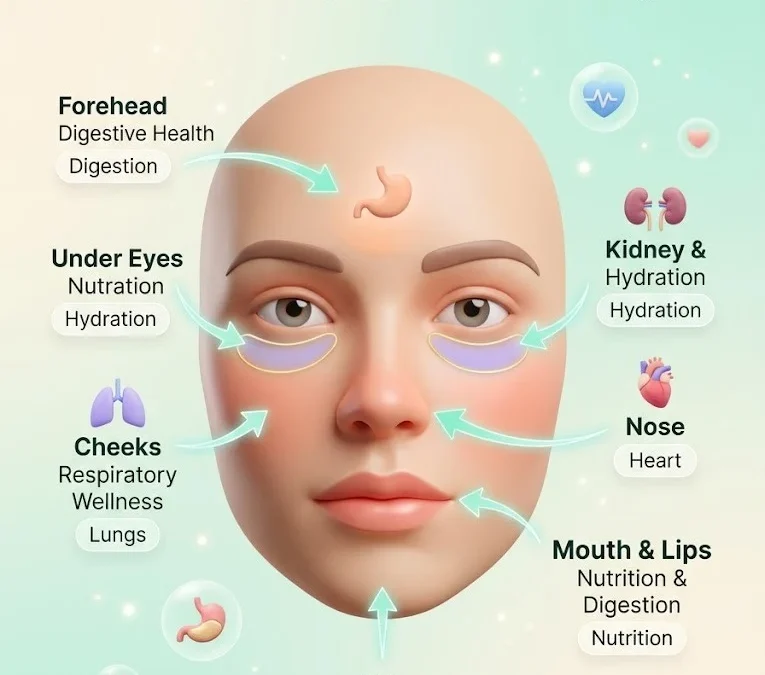
Hey there! Ever looked in the mirror and noticed a new breakout on your forehead, persistent dark circles, or unusual redness on your cheeks? You might be surprised to learn that your face can be a fascinating, albeit sometimes subtle, indicator of what’s going on inside your body. Changes like forehead acne, those stubborn dark under-eye circles, redness on your cheeks, chapped lips, or even breakouts on your chin could be whispering clues about internal imbalances affecting everything from your digestion and hormones to your respiratory system, heart health, and even kidney function. While these facial signals aren’t a substitute for a professional medical diagnosis, they can absolutely act as early warnings, prompting you to pay closer attention to your overall well-being. Think of it as your body’s way of sending you a friendly nudge! 🩺✨
In this comprehensive guide, we’re diving deep into the intriguing connections between specific facial zones and potential internal health concerns. We’ll break down what those various skin changes might be trying to tell you and, crucially, when it’s time to consult with a healthcare professional. We’ll also explore how everyday lifestyle factors – like what you eat, how much water you drink, the quality of your sleep, how you manage stress, and your hormonal balance – can significantly influence not just how your skin looks, but your overall health too. Understanding these facial clues can be a powerful tool for boosting your preventive health awareness and encouraging you to adopt healthier daily habits. Let’s uncover what your face might be revealing! 🌿💧

🤔 Can Your Face Really Reveal Underlying Health Problems? Let’s Talk!
We often think of our face as the main way we express emotions – a smile, a frown, a look of surprise. But it turns out, your face might be doing much more than just showing your feelings. It can also offer some pretty valuable hints about your overall health. Think about it: persistent acne, unexpected puffiness, a flushed complexion, dry patches, or a change in skin color can sometimes be more than just skin deep. These changes might actually be signaling underlying health concerns that deserve a closer look.
Now, it’s super important to remember that these facial symptoms alone are *not* a diagnosis. You can’t self-diagnose a serious condition just by looking at your skin. However, paying attention to persistent or unusual changes can be a fantastic motivator. It might encourage you to schedule that check-up you’ve been putting off or inspire you to make some healthier lifestyle choices. Early awareness is key, right?
Health experts are increasingly recognizing the intricate link between our skin and our internal systems. They understand that your skin’s health isn’t just about what you put on it; it’s deeply influenced by a whole range of factors, including:
✨ The quality of the nutrients you’re getting (Nutrition)
✨ How well-hydrated you are (Hydration levels)
✨ The ebb and flow of your body’s natural messengers (Hormonal changes)
✨ How restful your sleep truly is (Sleep quality)
✨ The amount of pressure you’re under (Stress levels)
✨ How efficiently your blood is flowing and your organs are functioning (Circulation and organ function)
Since your skin is your body’s largest organ, it makes sense that when something’s out of balance internally, it might just show up on the surface. Your face, being the most visible part, often bears these signs first. Let’s break down where to look and what those signs might mean.
🧠 Your Forehead: Could It Be Talking About Your Digestion?
In many traditional health systems, particularly those rooted in Eastern medicine, the forehead has long been associated with the state of your digestive system. It’s a fascinating concept that links the skin on your face to the health of your gut. So, if you’re experiencing persistent issues in this area, it might be worth considering your digestive wellness.
🌱 Forehead Acne and Blemishes: More Than Just Teen Troubles?
Getting breakouts on your forehead, especially if they seem to pop up out of nowhere or linger for a long time, could sometimes be linked to a few different factors related to your digestive health and overall lifestyle:
🍃 Difficulty processing certain foods or general digestive discomfort (Poor dietary habits, Digestive discomfort)
🍃 Consuming a lot of sugary snacks and drinks (High sugar consumption)
🍃 The impact of stress on your gut and body (Stress-related hormonal responses)
🍃 Not getting enough quality shut-eye (Insufficient sleep)
When your digestive system isn’t functioning optimally, it can lead to increased inflammation throughout your body. This internal inflammation can, in turn, manifest as skin problems, including those frustrating breakouts on your forehead. It’s a complex interplay, but one worth paying attention to if you’re struggling with persistent forehead acne.
🌙 Dark Circles Near the Forehead and Eye Area: Are You Getting Enough Zzz’s?
Ah, dark circles. They’re the bane of many people’s existence, often making us look more tired than we feel. While they’re common, they can sometimes point to more than just a late night:
💧 Not getting enough sleep (Sleep deprivation)
💧 Not drinking enough water throughout the day (Dehydration)
💧 Feeling the pressure of daily life (Stress)
💧 Seasonal sniffles or other allergic reactions (Allergies)
💧 General lifestyle habits that take a toll (Lifestyle factors)
While occasional dark circles are usually nothing to worry about, if you notice they’re becoming a persistent feature, or if they’re accompanied by chronic puffiness or significant discoloration, it might be a good idea to have a chat with your doctor. They can help rule out any underlying health concerns that might be contributing to the issue.
🌬️ Your Cheeks: Are They Trying to Tell You About Your Lungs?
Moving along your face, the cheek area is often linked to your respiratory wellness. Think about how pollution or allergens can affect your breathing – it makes sense that the skin here might show related signs.
🍃 Redness or Rashes on the Cheeks: More Than Just Rosy Cheeks?
If you’re experiencing unusual redness, irritation, or rashes specifically on your cheeks, here are some potential culprits to consider:
🌸 Reactions to environmental triggers like pollen or dust (Allergies)
🌸 Sensitivity to certain skincare products or fabrics (Environmental irritants, Skin sensitivity)
🌸 Exposure to poor air quality, whether indoors or outdoors (Air pollution exposure)
🌸 Underlying respiratory issues that might be manifesting on the skin (Respiratory conditions)
For instance, if you live in an area with high air pollution, or if you’re regularly exposed to smoke or allergens, you might notice your cheeks becoming more sensitive or prone to redness. It’s your skin’s way of reacting to the environment, and it can sometimes be a signal related to how your respiratory system is handling those same external factors.
🌿 Lifestyle Habits That Boost Healthy Skin and Happy Lungs
The good news is that many lifestyle choices can benefit both your skin and your respiratory health. Focusing on these can make a real difference:
✨ Steer clear of cigarette smoke, both first and second-hand.
✨ Get regular physical activity – it’s great for circulation and lung capacity!
✨ Pay attention to your indoor air quality; use air purifiers if needed.
✨ Keep up with your water intake to stay hydrated from the inside out.
✨ Load up on fruits and vegetables packed with antioxidants to fight inflammation.
❤️ Your Nose: A Little Red Signal for Your Heart?
The nose, with its intricate network of blood vessels close to the surface, can be quite sensitive to changes in your circulatory system. While it’s not a direct monitor, certain persistent changes here might warrant a closer look at your cardiovascular health.
🌺 Nose Breakouts and Redness: Beyond a Pimple?
Occasional redness or recurring breakouts specifically on the nose area could potentially be associated with:
💓 Periods of heightened stress (Increased stress levels)
💓 Factors that might put you at risk for high blood pressure (High blood pressure risk factors)
💓 Issues with blood flow or circulation (Poor circulation)
💓 Skin conditions like rosacea, which causes facial redness and inflammation (Rosacea or inflammatory skin conditions)
It’s crucial to reiterate: facial signs like nose redness or breakouts do *not* confirm heart disease. However, if you’re experiencing persistent, unexplained redness, or if it’s accompanied by other concerning symptoms, it’s always wise not to ignore it. Consulting your doctor is the best way to get a clear picture.
🚨 When Should You Really Be Concerned and Seek Medical Advice?
If you notice any changes on your face, especially those related to your nose or any other area, and they occur alongside any of the following symptoms, it’s time to pick up the phone and call a healthcare professional immediately:
⚠️ A feeling of discomfort or pressure in your chest
⚠️ Difficulty breathing or feeling short of breath
⚠️ Unusual or persistent feelings of tiredness
⚠️ Feeling dizzy or lightheaded
⚠️ Blood pressure readings that are consistently high
💧 The Under-Eye Area: Your Hydration and Wellness Barometer
The skin under your eyes is incredibly thin and delicate, making it particularly sensitive to changes in your body, especially concerning hydration and overall well-being.
🌙 Under-Eye Puffiness: More Than Just Lack of Sleep?
While lack of sleep is a common culprit, under-eye puffiness can also be influenced by:
💦 Not getting enough rest (Lack of sleep)
💦 Consuming too much salt, which causes fluid retention (Excess sodium intake)
💦 Not drinking enough fluids (Dehydration)
💦 Allergic reactions (Allergies)
💦 Feeling overwhelmed by daily pressures (Stress)
If you find that the puffiness under your eyes is a constant issue, rather than just an occasional annoyance after a late night, it might be worth discussing with your doctor. Persistent swelling can sometimes indicate an underlying issue that needs attention, especially if you have other symptoms.
🌿 Simple Steps for Healthier Under-Eye Skin
Taking care of the delicate skin under your eyes often involves adopting healthy habits that benefit your entire body:
✨ Aim for 7–9 hours of quality sleep every night.
✨ Be mindful of your salt intake, especially from processed foods.
✨ Make sure you’re drinking enough water throughout the day.
✨ Find healthy ways to manage and reduce stress.
✨ Take breaks from screens to give your eyes a rest.
🍎 Your Mouth and Lips: Nutritional Status and Internal Harmony Check
Your lips and the area around your mouth can often offer visual cues about your nutritional status and your body’s overall internal balance.
🌸 Cracked or Dry Lips: Are You Dehydrated or Deficient?
Constantly dealing with chapped or dry lips, even when you’re using balm, could be a sign of:
🍊 Not drinking enough water (Dehydration)
🍊 A lack of certain essential vitamins or minerals (Vitamin deficiencies)
🍊 Dry weather conditions or low humidity (Dry environmental conditions)
🍊 Underlying digestive issues affecting nutrient absorption (Digestive disturbances)
🍊 Side effects from certain medications you might be taking (Certain medications)
If lip dryness and cracking are persistent problems that don’t resolve with simple measures, it could signal a need to re-evaluate your diet or consult a healthcare professional to investigate further.
🌺 Mouth Sores and Hormonal Shifts: What’s the Connection?
For many people, fluctuations in hormones can sometimes lead to:
🌷 The appearance of mouth ulcers or canker sores
🌷 A temporary increase in skin sensitivity
🌷 Slight shifts in immune system responses
🌷 Potential nutritional deficiencies that may arise during certain hormonal phases
If you experience mouth sores frequently, or if they become particularly severe or take a long time to heal, it’s always a good idea to get them checked out by a doctor or dentist.
🌼 Chin Breakouts: The Hormonal Rollercoaster Effect
Chin acne is incredibly common, and it’s very frequently linked to the natural hormonal fluctuations that many people experience throughout their lives.
🌸 Why Does Chin Acne Keep Happening? Common Causes
The hormonal shifts that can trigger chin breakouts include:
✨ Monthly menstrual cycles in women
✨ Increased levels of stress hormones like cortisol
✨ Disruptions to your sleep patterns
✨ Certain dietary factors that can influence hormones
✨ In some cases, it can be related to conditions like Polycystic Ovary Syndrome (PCOS) (PCOS risk factors)
Hormones play a significant role in regulating oil production in your skin. When these hormones fluctuate, it can lead to an overproduction of sebum, which often results in those recurring pimples and blemishes around your jawline and chin area.
🌿 Supporting Hormonal Balance for Clearer Skin
Managing hormonal acne often involves a holistic approach focused on overall well-being:
🌱 Try to maintain consistent sleep schedules, even on weekends.
🌱 Incorporate regular physical activity into your routine.
🌱 Focus on eating balanced, whole-food meals.
🌱 Actively work on reducing and managing chronic stress.
🌱 If breakouts are persistent and bothersome, seek professional advice from a doctor or dermatologist.
🩺 Facial Signs That Really Shouldn’t Be Ignored: When to See a Doctor
While many of the facial changes we’ve discussed are common and often related to lifestyle factors, it’s important to know when a symptom might be signaling something more significant. Some changes deserve prompt medical attention.
🚨 Key Signs That Warrant Professional Medical Advice
You should definitely consult a healthcare professional if you experience any of the following, especially if they are sudden, severe, or persistent:
🔴 Abrupt or significant swelling of the face
🔴 Skin discoloration that appears suddenly or doesn’t resolve
🔴 Severe or persistent acne that doesn’t respond to typical treatments
🔴 Ongoing, noticeable puffiness under the eyes that isn’t easily explained
🔴 Mouth ulcers that recur frequently or are unusually painful or large
🔴 Any facial changes that are accompanied by other concerning symptoms like unexplained fatigue, significant weight changes, fever, or other signs of a systemic illness
🌿 Cultivating Healthy Habits for Radiant Skin and a Thriving Body
The fantastic news is that many of the lifestyle habits that promote a healthy body also contribute to clear, glowing skin. By focusing on these fundamental practices, you can positively impact both your external appearance and your internal health:
✨ Drink enough water every single day. Hydration is key!
✨ Fill your plate with nutrient-dense fruits and vegetables.
✨ Prioritize consistent, quality sleep.
✨ Make exercise a regular part of your week.
✨ Develop effective strategies for managing stress.
✨ Limit your intake of highly processed foods and sugary drinks.
✨ Don’t forget to schedule regular health check-ups with your doctor.
🌸 Wrapping It All Up: Listen to Your Face, But Trust Your Doctor
Your face truly can act like a fascinating mirror, sometimes reflecting aspects of your internal health that you might otherwise overlook. Persistent changes in areas like your forehead, cheeks, nose, lips, under-eye region, or chin can offer potential clues about your hydration levels, hormonal balance, digestive function, respiratory wellness, or even cardiovascular health. It’s like a subtle language your body uses to communicate.
However, and this is crucial to remember, facial signs alone are *never* enough to diagnose a medical condition. They are indicators, prompts, and potential early warnings. If you notice persistent or concerning symptoms on your face, or anywhere else on your body, the most important step is to have them evaluated by qualified healthcare professionals. They have the expertise and tools to provide an accurate diagnosis and recommend the right treatment plan.
So, pay attention to those signals your body is sending you through your skin. Embrace healthy lifestyle habits as a cornerstone of your well-being, and use any noticeable facial changes as gentle reminders to prioritize your overall health. Your face might be telling a story, but your doctor holds the key to understanding it fully.
Remember: Your face can offer valuable insights, but professional medical advice is always essential for accurate diagnosis and effective treatment. Stay informed, stay healthy!